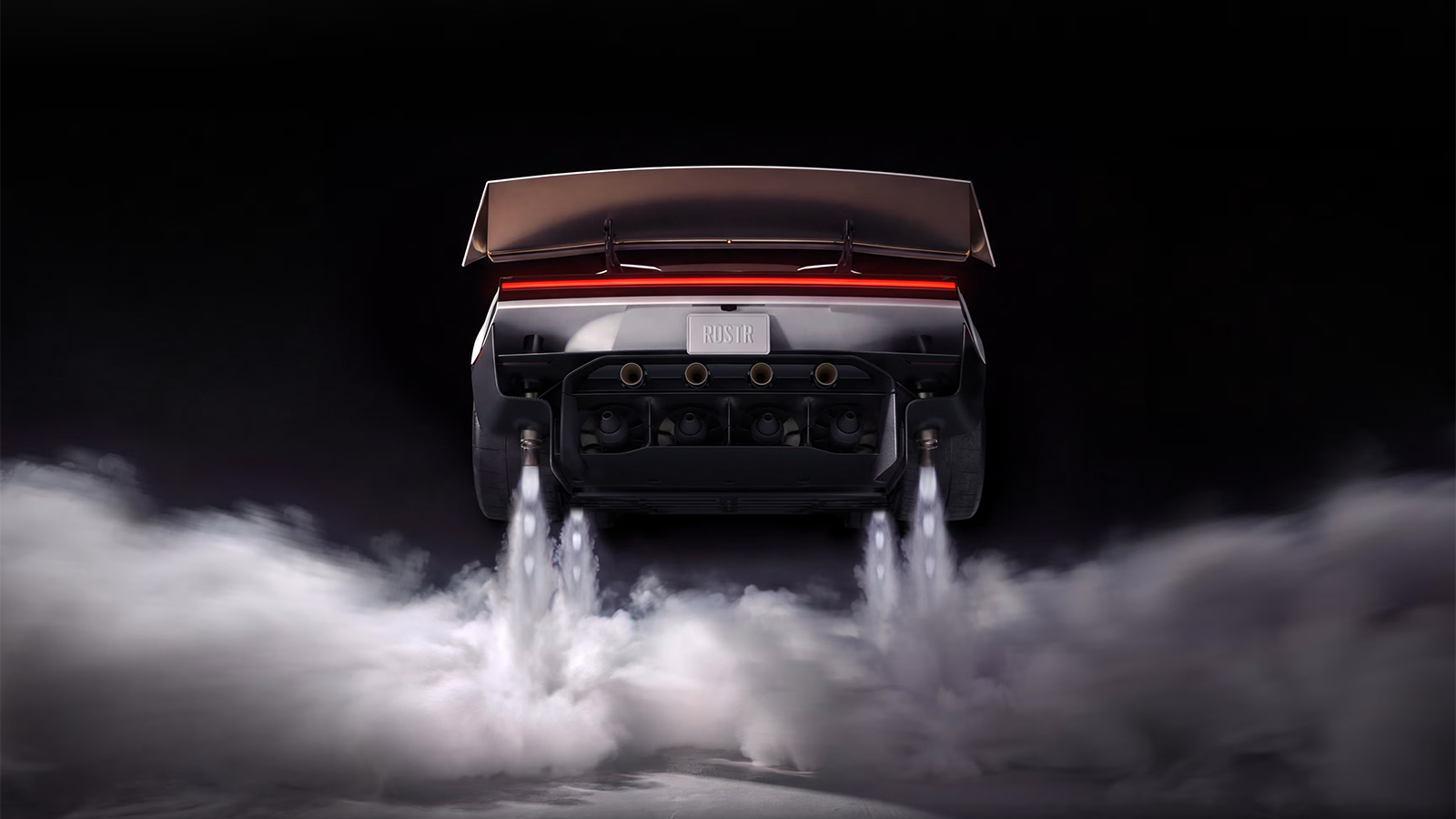
After nearly a decade of delays, speed is no longer the strangest part of the Tesla Roadster. The redesigned electric supercar divides its ambitions between a road-ready flagship and configurations that use suction and cold-gas thrusters to challenge the usual definition of a car.
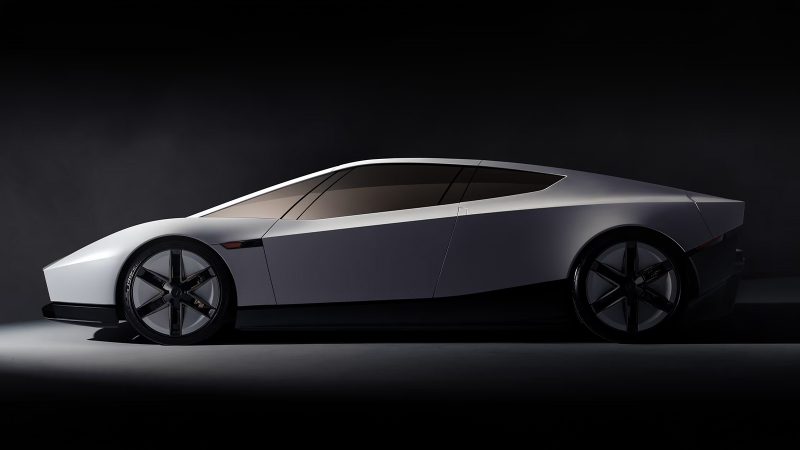
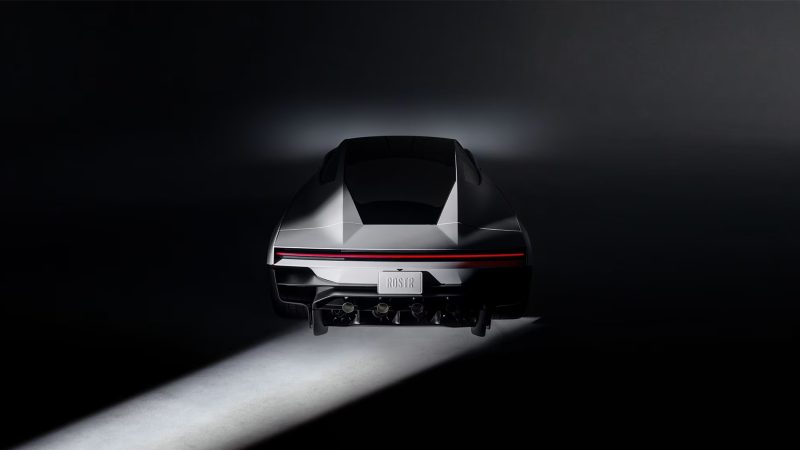
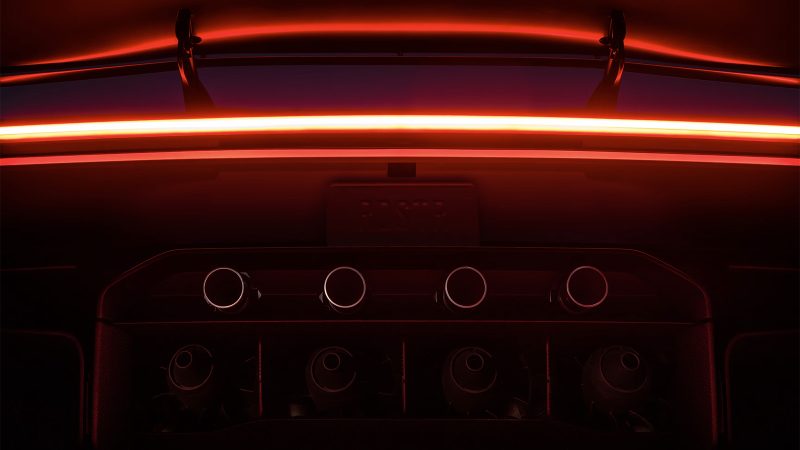
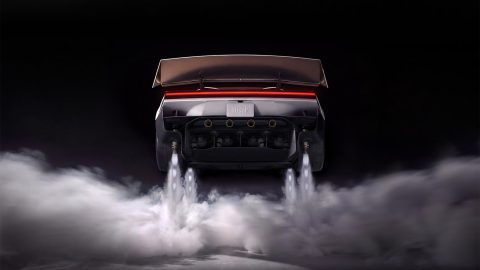
Performance is the two-seat road version, equipped with active aerodynamics and a multi-mode fan system that can generate downforce at zero speed. Thrust adds rear cold-gas thrusters and targets 0–60 mph in under one second. The invite-only Rocket trades the passenger seat for thrusters around the vehicle’s perimeter, enabling forward, upward, and rotational movement. Tesla explicitly notes that Rocket is not approved for public roads.
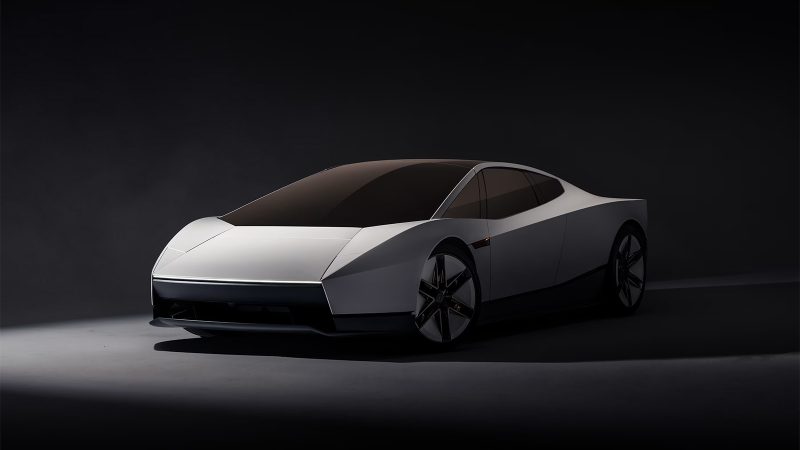
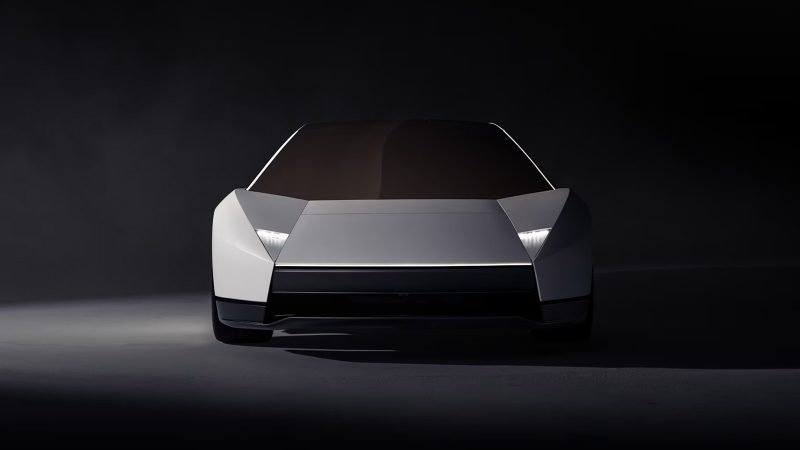
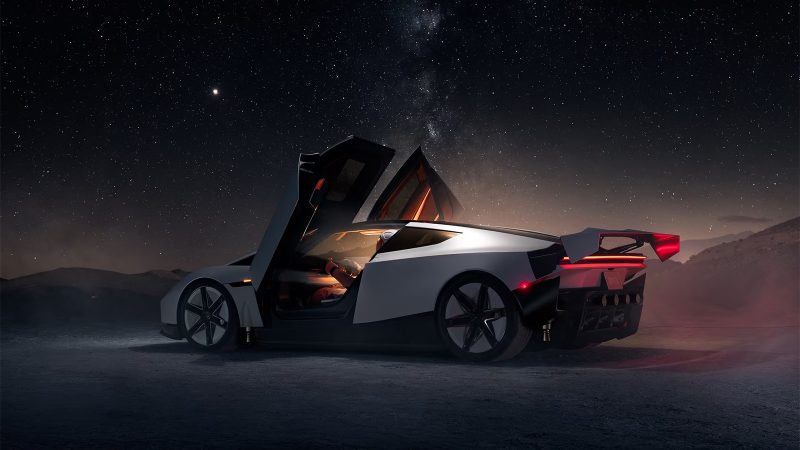
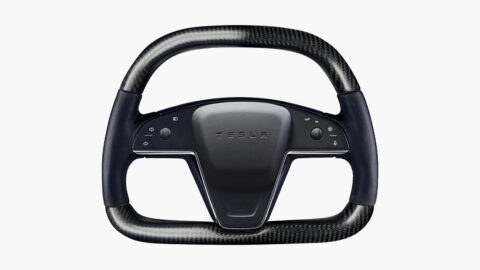
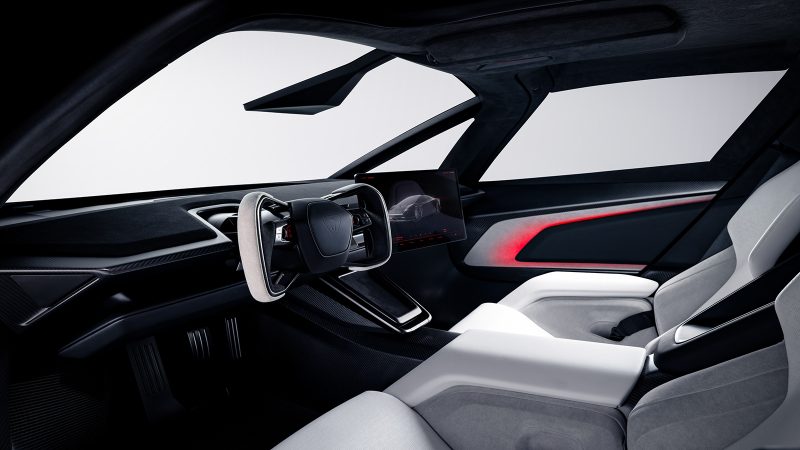
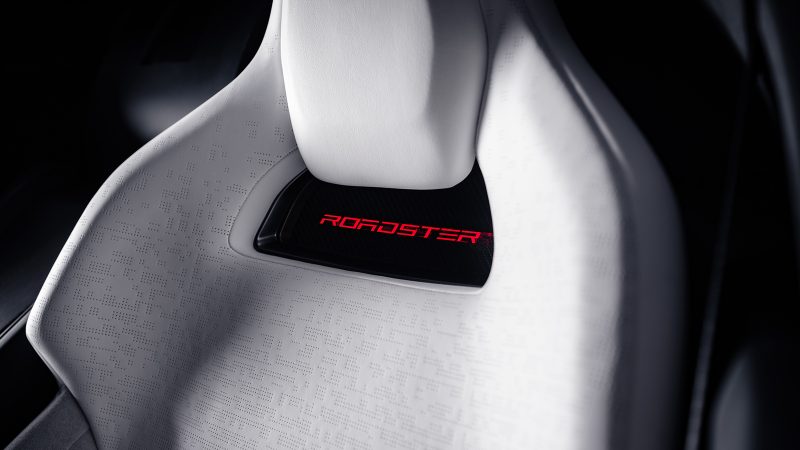
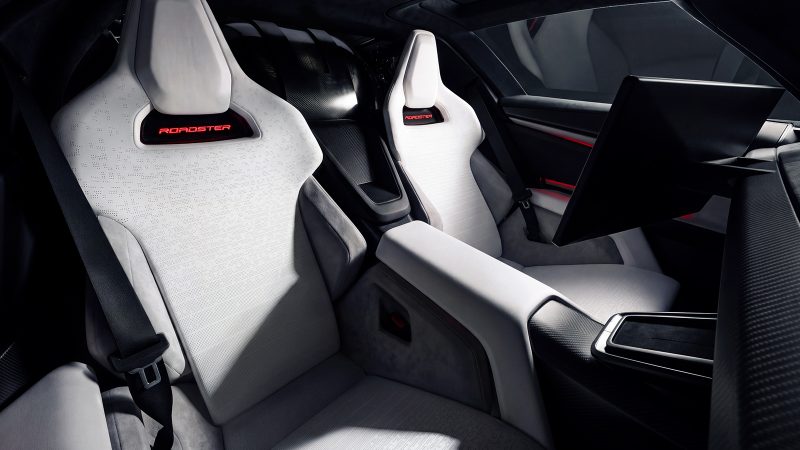
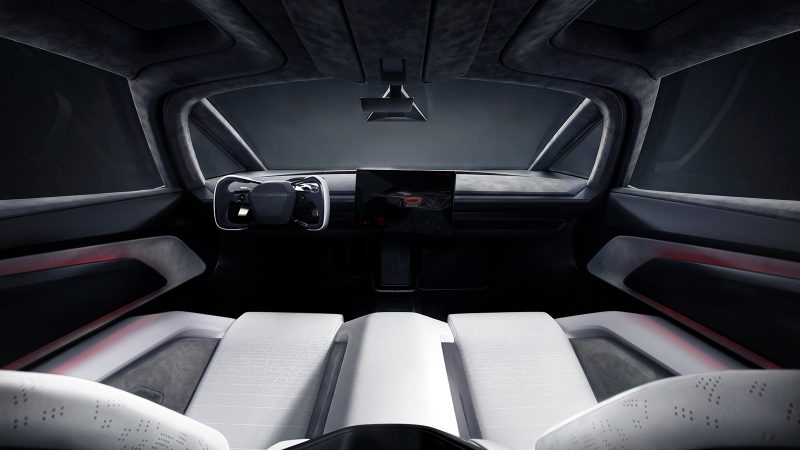
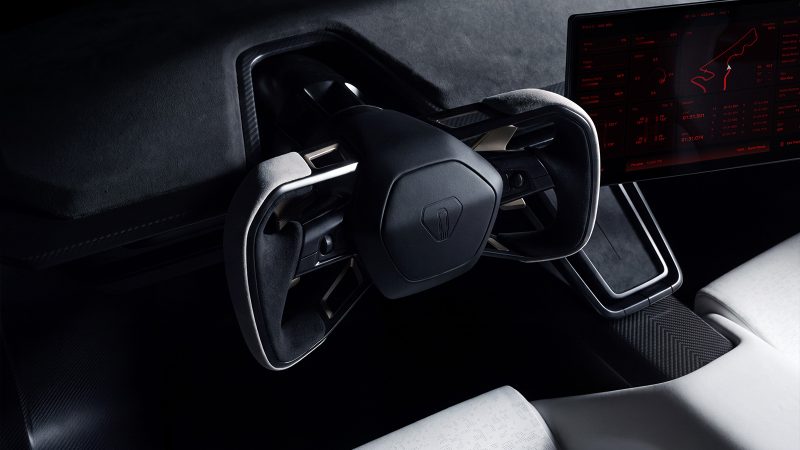
The engineering is paired with a cleaner body than the 2017 prototype. Hidden headlights, a full-width taillight, flush aerodynamic surfaces, and lightweight wheels keep the shape visually quiet. A fixed seating position and manual controls help reduce mass, while magnesium, titanium, and carbon fiber appear throughout. Inside, an Ultrawhite cabin combines microsuede bolsters, a steer-by-wire yoke, one central touchscreen, and two smaller forward displays. The result is closer to an experimental branch of electric performance cars than a conventional grand tourer.
Tesla says production is planned for 2028, though final pricing remains undisclosed. Roadster reservations require a refundable $5,000 payment today and another $45,000 within ten days which sound suspiciously like an interest-free private loan for Tesla to fund their R&D further for the vehicle. Performance can be reserved now, Thrust is described as a limited release, and Rocket remains invite-only.