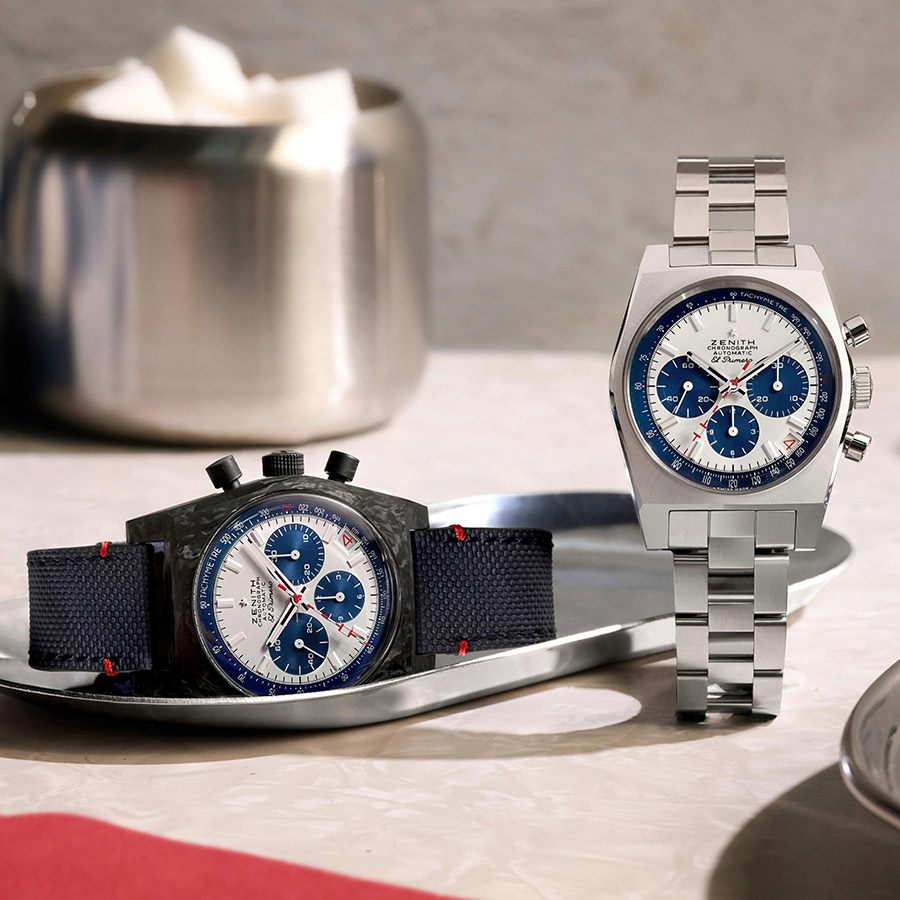
Zenith is marking America’s 250th anniversary with a watch that feels less like a commemorative trinket and more like a thoughtful continuation of the brand’s own history. The new Chronomaster Revival Liberty II revisits the A384 chronograph from 1969 while drawing attention to an often-overlooked detail in Zenith’s origins: the influence American industrial manufacturing had on founder Georges Favre-Jacot’s vision for modern Swiss watchmaking.
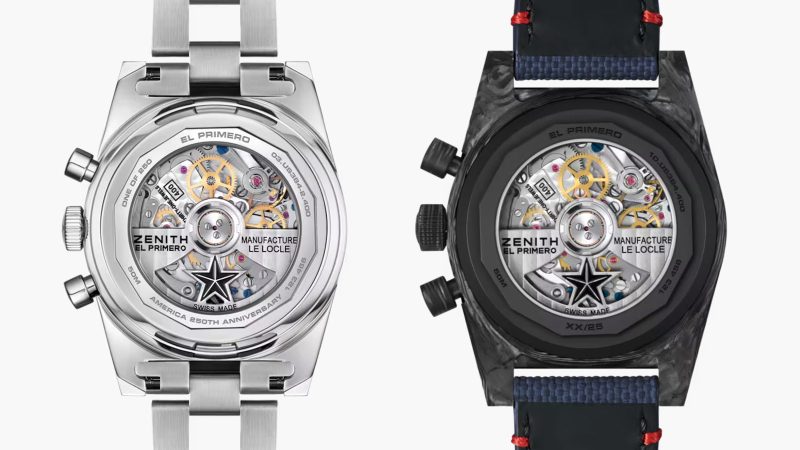
That historical connection shapes the Liberty II more effectively than overt patriotic branding ever could. The watch remains grounded in the sharp tonneau-shaped proportions of the original A384, preserving its compact 37 mm case and high-frequency El Primero movement while introducing a series of restrained American references throughout the dial.
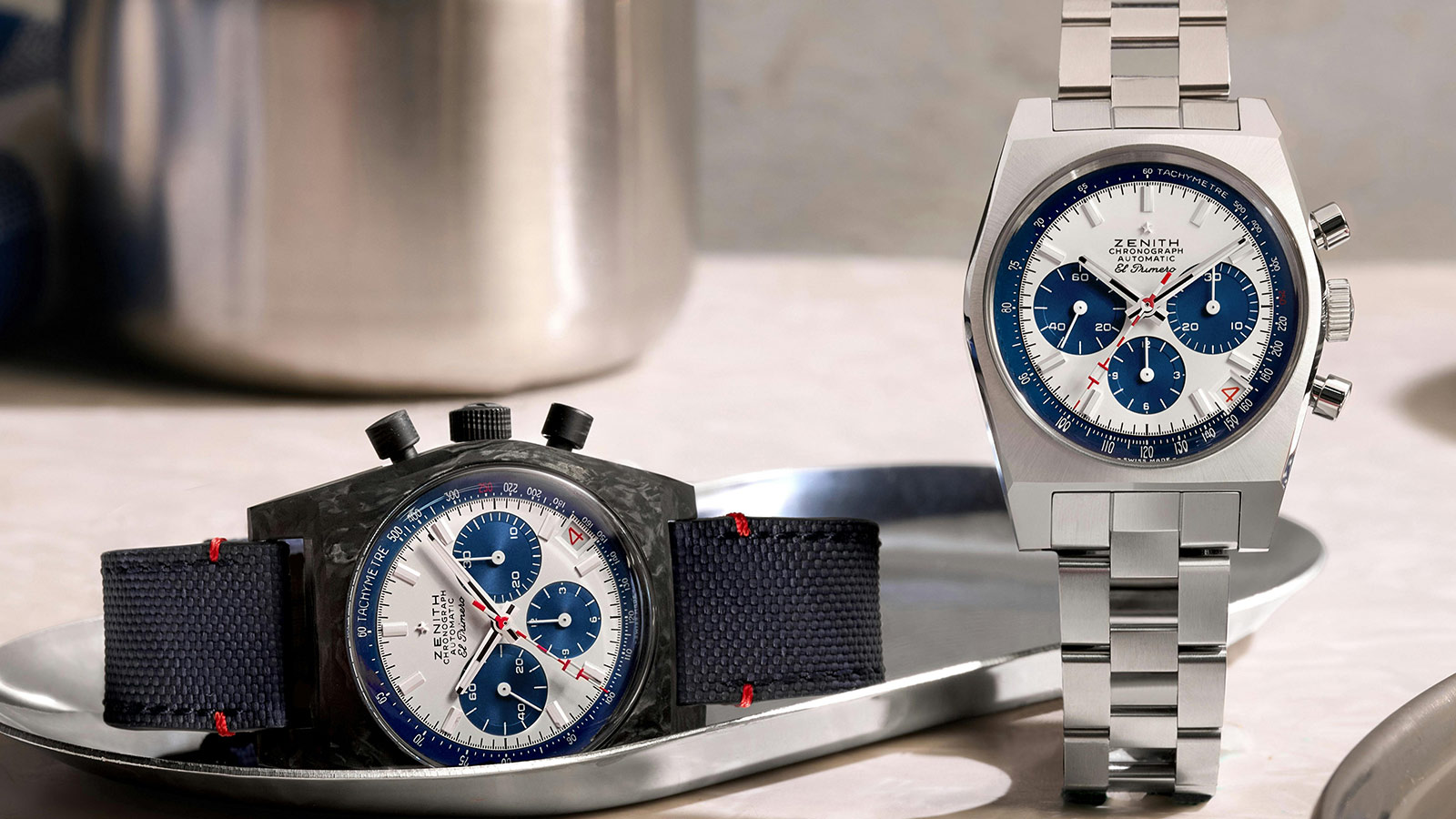
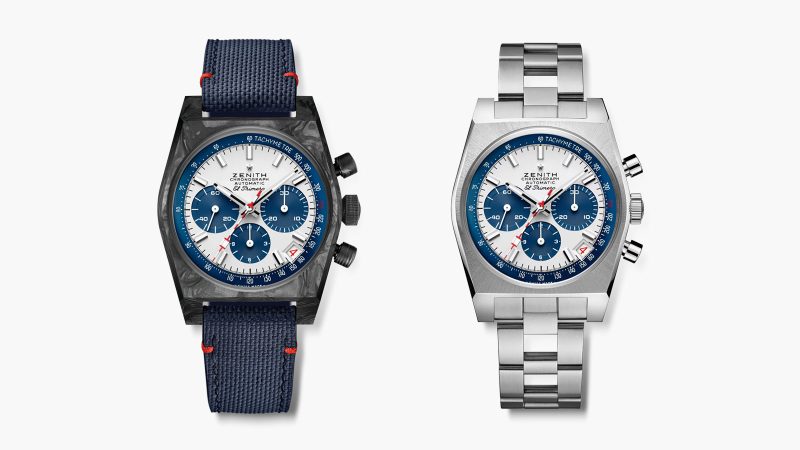
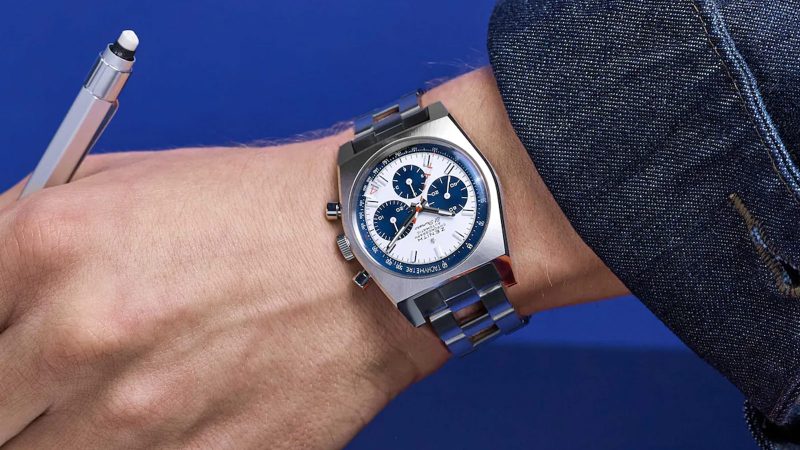
The most noticeable detail is the chronograph seconds hand, which incorporates 13 alternating red and white stripes inspired by the original American colonies. The white lacquer dial and blue subdials reinforce the theme without overwhelming the design, while subtle red accents highlight the “250” on the tachymeter scale and the “4” on the date wheel in recognition of July 4, 1776. It is thematic, certainly, but executed with enough restraint to avoid feeling theatrical.
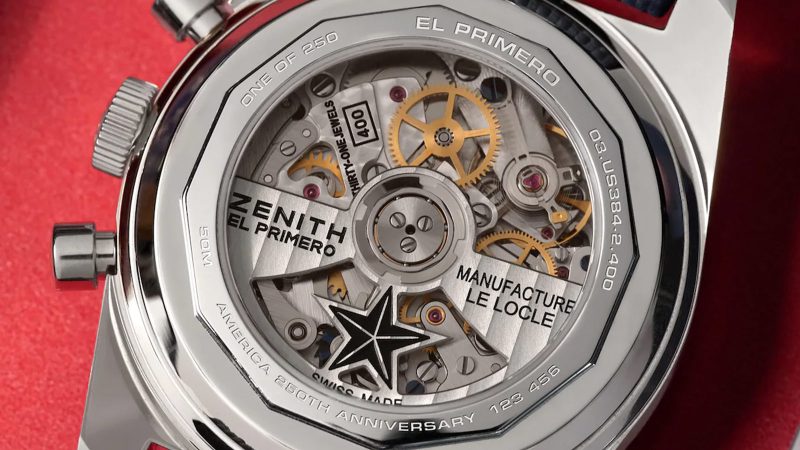
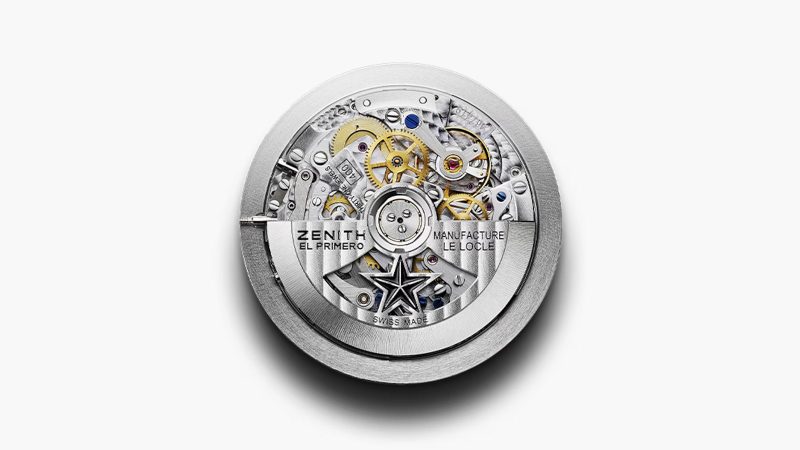
Powering both versions is the El Primero 400 calibre, the direct descendant of Zenith’s legendary 1969 automatic chronograph movement. Operating at 36,000 vibrations per hour, the movement measures elapsed time to one-tenth of a second and offers roughly 50 hours of power reserve. Visible through the sapphire caseback, the calibre remains one of the strongest arguments for Zenith’s continued relevance in the modern chronograph market.
Zenith is releasing the Liberty II in two U.S.-exclusive configurations. The stainless-steel edition is limited to 250 pieces and comes paired with either a Gay Frères-style ladder bracelet or a blue Cordura-effect rubber strap. A more contemporary forged-carbon version, limited to just 25 pieces, strips some of the nostalgia away in favor of a darker, more technical aesthetic.
The steel model is priced at $10,600, while the forged-carbon edition rises to $13,400. Both feel aimed squarely at collectors who appreciate the A384’s historical significance but want something more distinctive than another straightforward heritage reissue.
In an era where anniversary watches often drift toward excess, the Chronomaster Revival Liberty II succeeds because it remembers what made the original compelling in the first place: proportion, mechanical integrity, and just enough personality to stand apart.