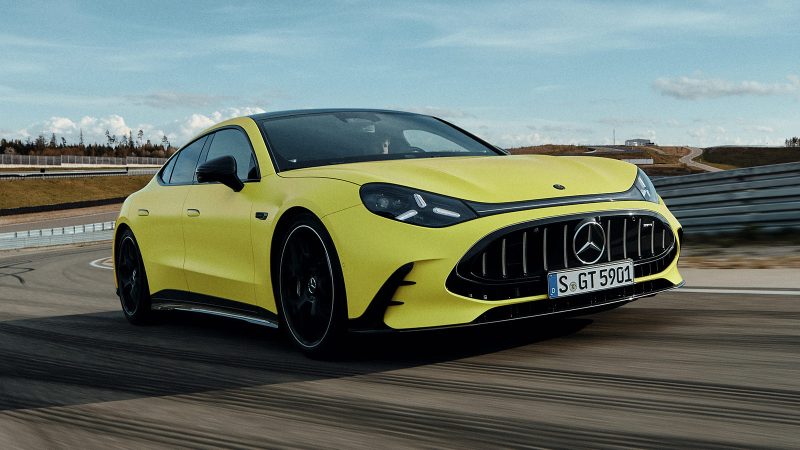
The new 2027 Mercedes-AMG GT 4-Door Coupé arrives with the kind of numbers designed to dominate headlines: up to 1,169 horsepower, a claimed 0-60 mph sprint of roughly two seconds, and charging speeds capable of adding hundreds of miles of range in minutes. On paper, it is one of the most technically ambitious performance EVs yet attempted by a traditional luxury automaker. The challenge is that the car’s engineering restraint and visual restraint no longer seem to occupy the same room.
Built on AMG’s new dedicated AMG.EA electric architecture, the four-door coupe introduces a trio of axial-flux electric motors — a technology rarely seen in large-scale production vehicles and one that allows for extraordinary power density and sustained performance. Mercedes claims the system can repeatedly deliver peak output without the thermal fade that affects many high-performance EVs. The battery itself uses directly cooled cylindrical cells inspired by Formula 1 development work, while an 800-volt electrical system enables charging speeds of up to 600 kW. Technically speaking, the car is deeply impressive.
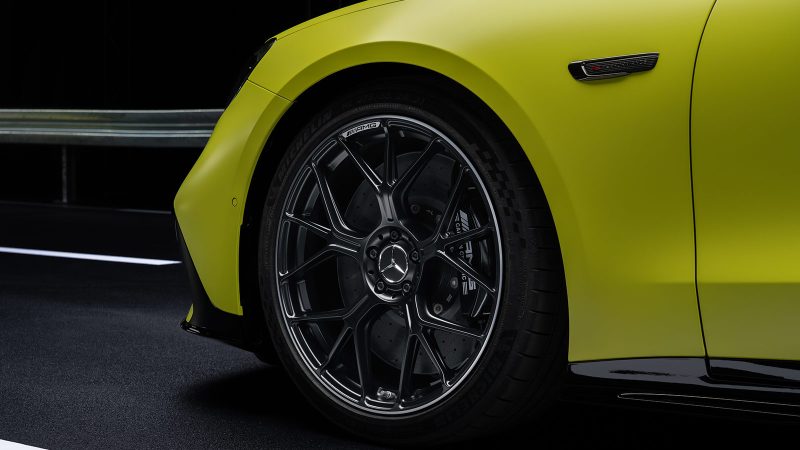
The driving technology borders on excessive in the way only AMG can justify. Rear-wheel torque vectoring, active aerodynamics, semi-active suspension, rear-axle steering, predictive energy management, and configurable traction systems all work together to create what is effectively a rolling supercomputer calibrated for speed. AMG has even engineered a simulated V8 experience complete with artificial shifts, synthesized exhaust notes, and haptic feedback intended to mimic the sensation of combustion performance.
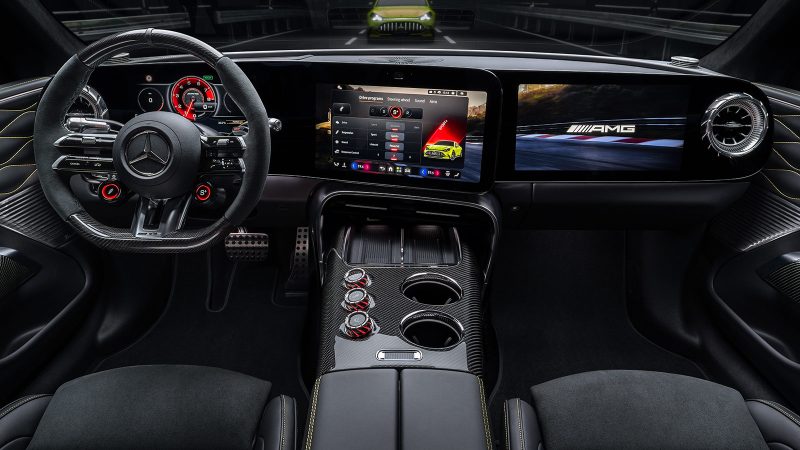
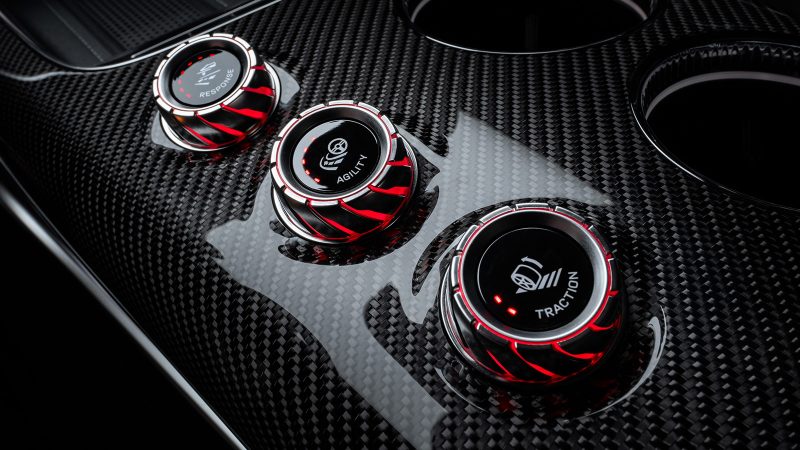
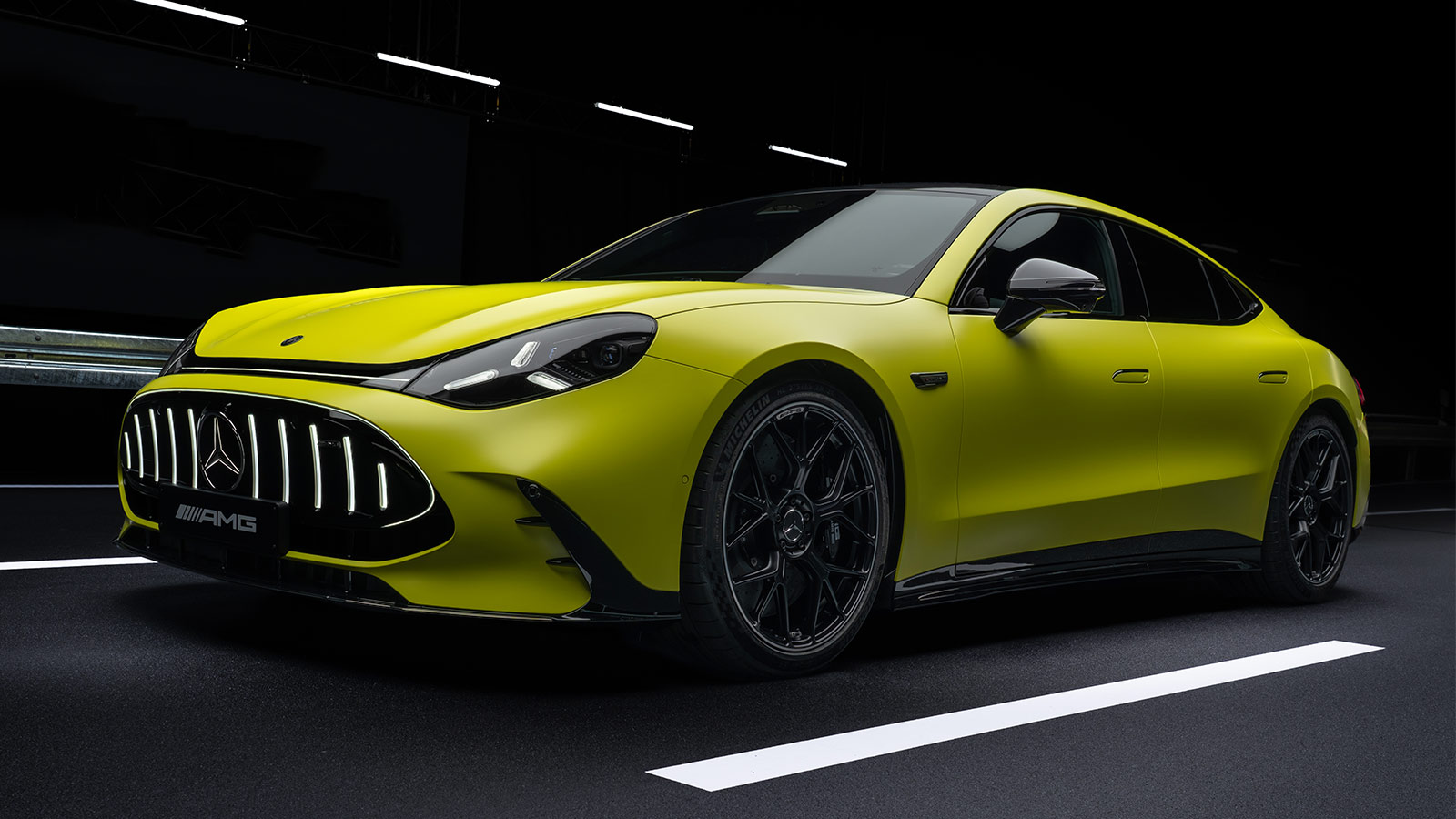
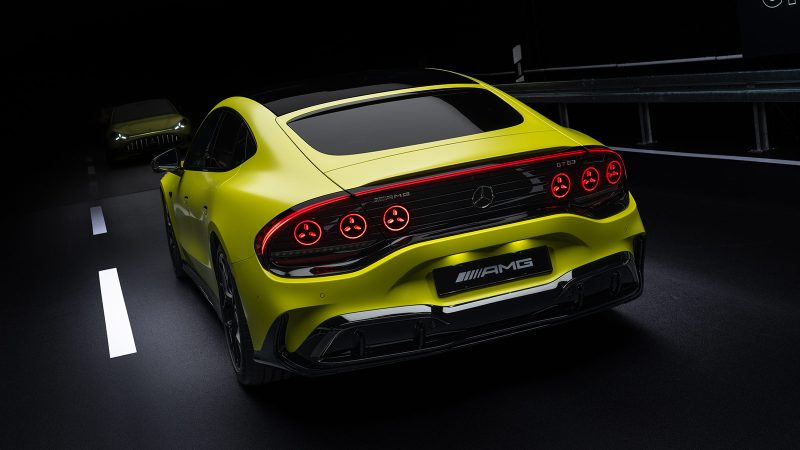
That last detail feels particularly revealing. Historically, AMG built its reputation on brute-force engineering wrapped in understated confidence. Older AMG sedans often looked relatively restrained until they accelerated with unsettling force. The new GT 4-Door Coupe takes a noticeably different approach. Illuminated grilles, star-shaped lighting signatures, glowing panoramic roof graphics, animated ambient lighting, and expansive screen-heavy interiors suggest Mercedes is increasingly prioritizing theatricality alongside engineering substance.
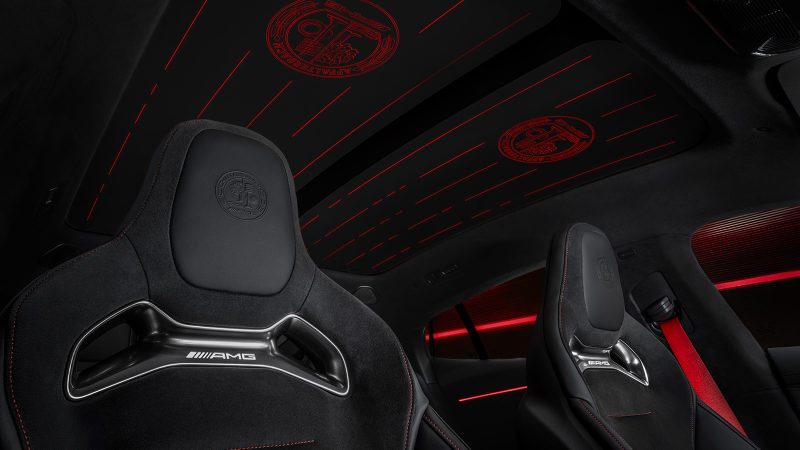
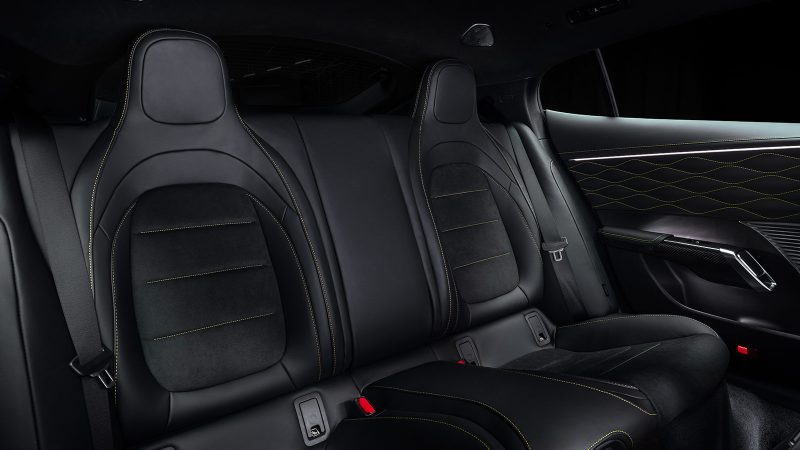
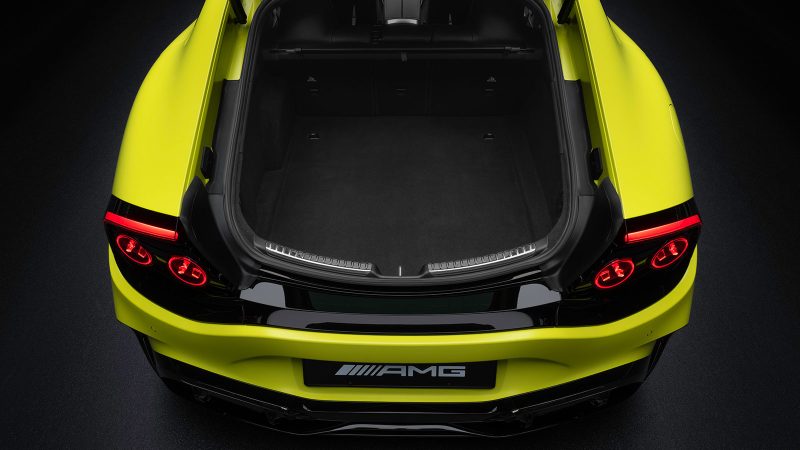
The exterior itself reflects that shift. There is undeniable presence in the car’s low-slung proportions and muscular rear haunches, but the illuminated details and aggressively layered surfaces occasionally feel more eager for attention than the quieter elegance that once defined Mercedes performance cars. The interior follows a similar path, surrounding occupants with glass displays, AI assistants, reactive lighting themes, and digital overlays that sometimes compete with the driving experience rather than complement it.
To be fair, much of the excess appears intentional. The modern luxury EV market increasingly rewards spectacle, especially in segments where technology is expected to feel visible rather than discreet. In that context, the AMG GT 4-Door Coupé may simply reflect the direction the industry is heading.
Still, beneath the illuminated flourishes and digital theatrics lies a genuinely remarkable performance machine. The engineering depth is difficult to dispute, and the drivetrain alone suggests AMG remains capable of producing category-defining vehicles even in the electric era. The lingering question is whether Mercedes-Benz still trusts that engineering to speak for itself.