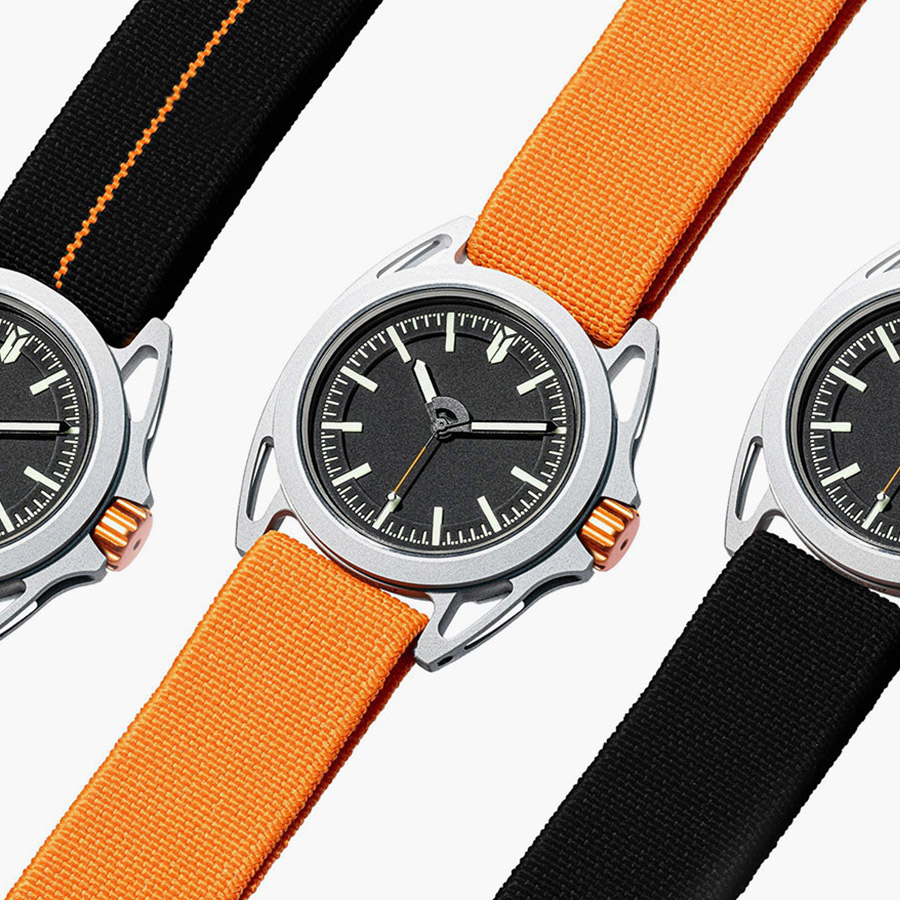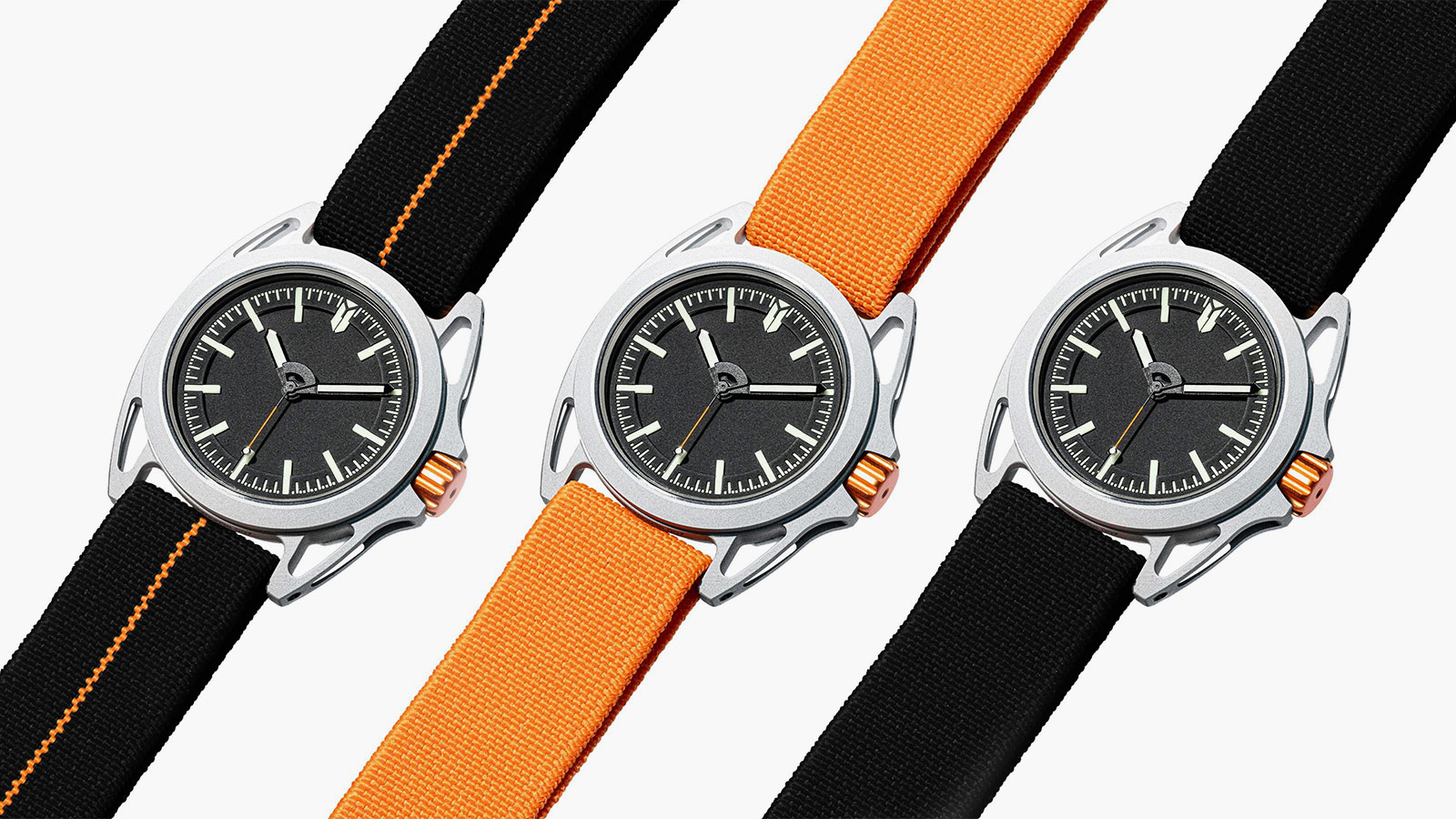
The modern tool watch has become a crowded category filled with exaggerated specifications and increasingly theatrical claims about adventure readiness. Barrelhand’s new Monolith, however, takes a different route. Rather than borrowing the visual language of aerospace engineering, it attempts to operate within its actual constraints.
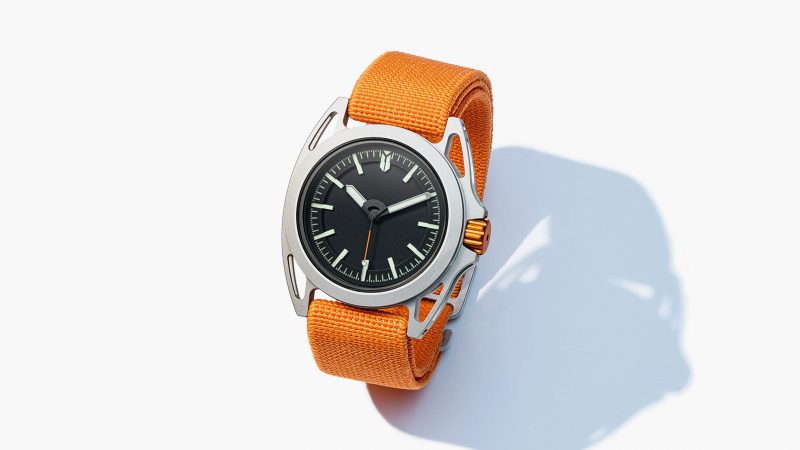
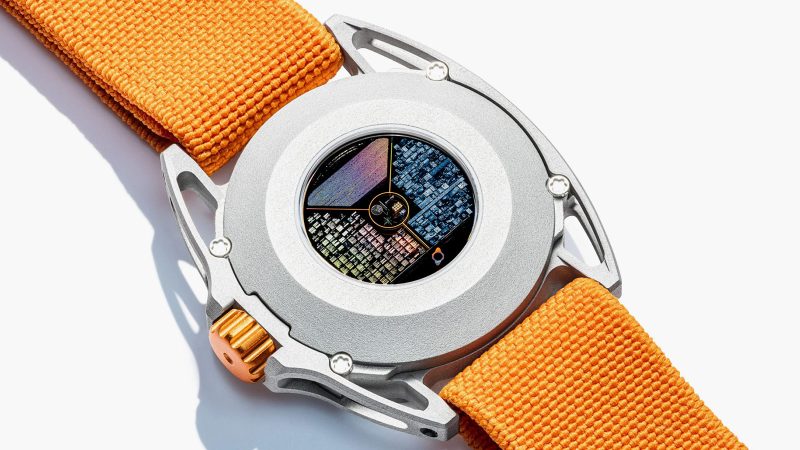
Developed over six years, the Monolith was engineered around EVA and IVA testing protocols associated with human spaceflight. Its construction reads less like traditional watchmaking and more like a technical briefing. The central chassis is produced from Scalmalloy, a high-performance aluminum alloy typically reserved for aerospace applications and advanced motorsport engineering. Manufactured through 3D printing, the Aircore chassis reportedly delivers titanium-like strength at nearly half the weight while improving corrosion resistance and thermal insulation. Remarkably, the chassis itself weighs just 6.5 grams.
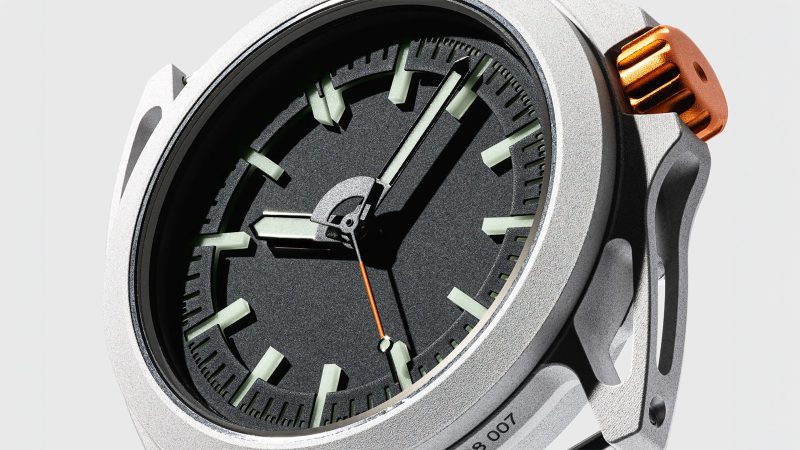
The dial follows the same philosophy. Barrelhand uses a layered Aerolight X2 ceramic construction combined with precision-machined brass to create what it calls the Monolithic Dial. The surface is engineered for maximum visibility in low light, producing substantially greater brightness retention than standard Super-LumiNova applications after prolonged darkness. Even the handset has been reconsidered, with counterbalanced hands designed to better tolerate shock and vibration in extreme environments.
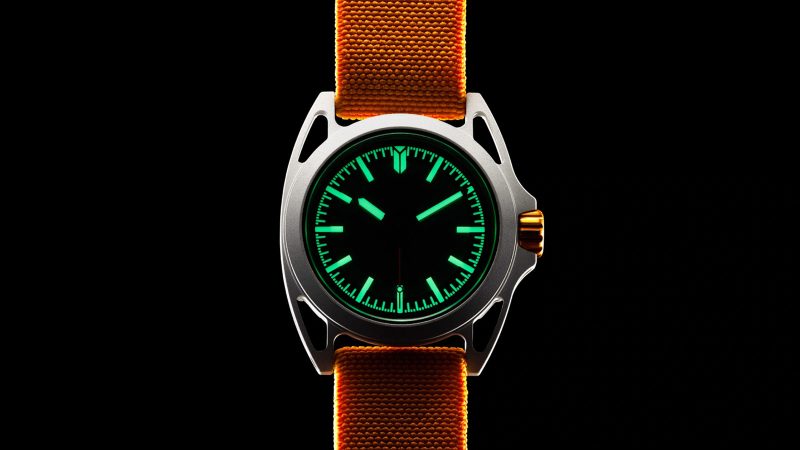
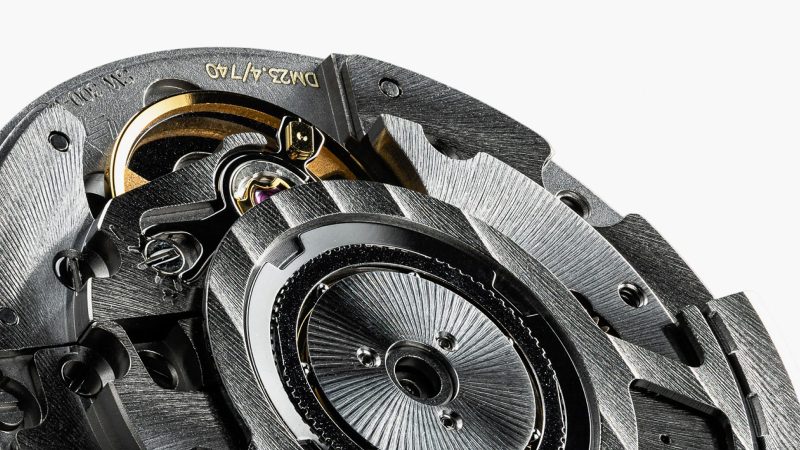
Power comes from the M1 Engine, Barrelhand’s modified version of the Swiss-made Sellita SW300-1b automatic movement. The caliber incorporates a nickel-phosphorous escapement to reduce friction while adding enhanced antimagnetic protection intended to withstand radiation exposure associated with space travel. Unlike many concept-driven “space watches,” the Monolith remains fully mechanical and self-winding rather than leaning into quartz or digital systems.
The surrounding architecture reveals the project’s deeper obsession with durability. A reinforced engine mount allows the watch to tolerate up to 3,000 Gs of impact resistance, while thermal insulation protects the movement from sudden environmental fluctuations. The caseback, machined from 7075 aluminum and secured with exposed Torx hardware, includes ISS-grade gasket seals alongside a NanoFiche memory disc capable of preserving the equivalent of roughly 1,000 pages of information for more than a thousand years.
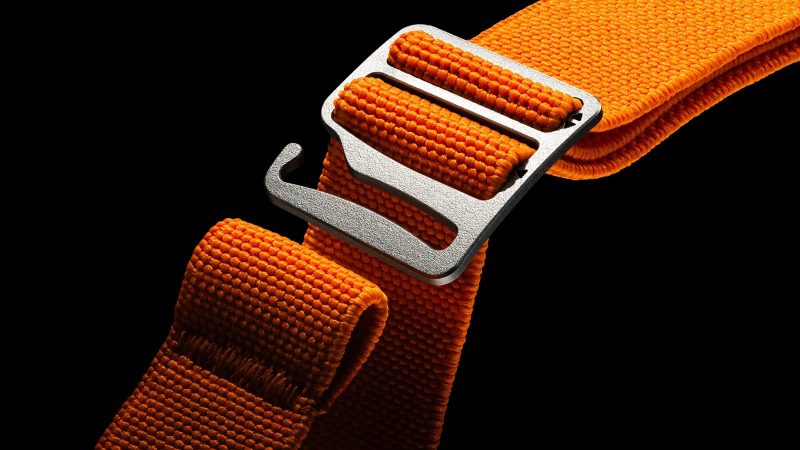
Even the strap system reflects the watch’s intended environment. Barrelhand designed interchangeable configurations that can adapt between direct wrist wear and use over a spacesuit, employing high-performance polyester webbing and grade 5 titanium hardware throughout.
At $9,750, the Monolith occupies a niche corner of independent horology where engineering often takes precedence over heritage. That focus may limit its audience, but it also gives the watch a clarity of purpose rarely seen in contemporary tool watches. The Monolith does not romanticize space exploration so much as treat it as an active design constraint—and the result feels considerably more convincing because of it.