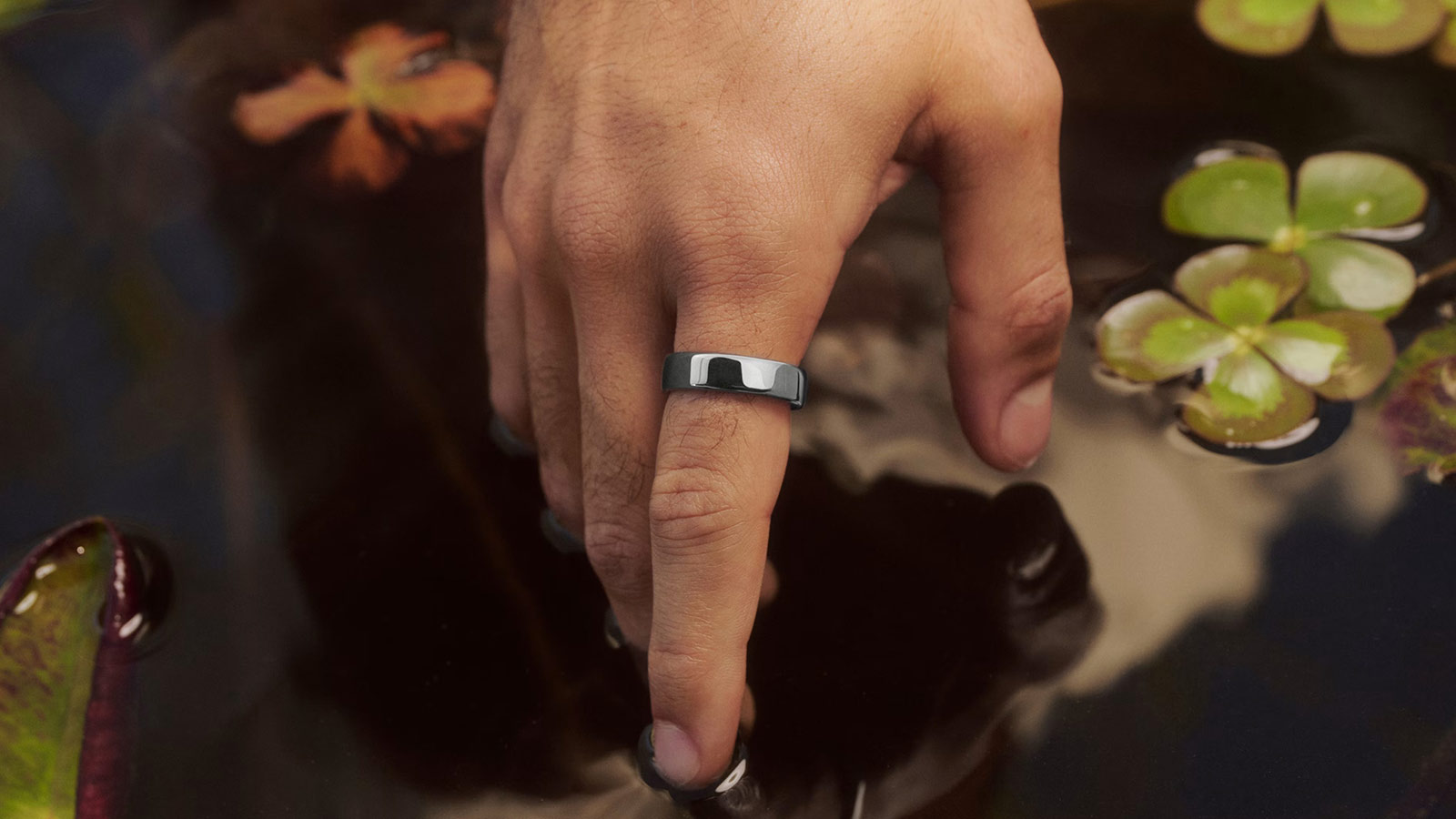
For most wearable technology, adding new features usually means adding size. Oura has taken the opposite approach with the Oura Ring 5, a device that significantly reduces its physical footprint while expanding both its sensing capabilities and software ecosystem. The result is what the company describes as the world’s smallest smart ring, a claim supported by a complete redesign of the hardware rather than a simple refinement of the previous generation.
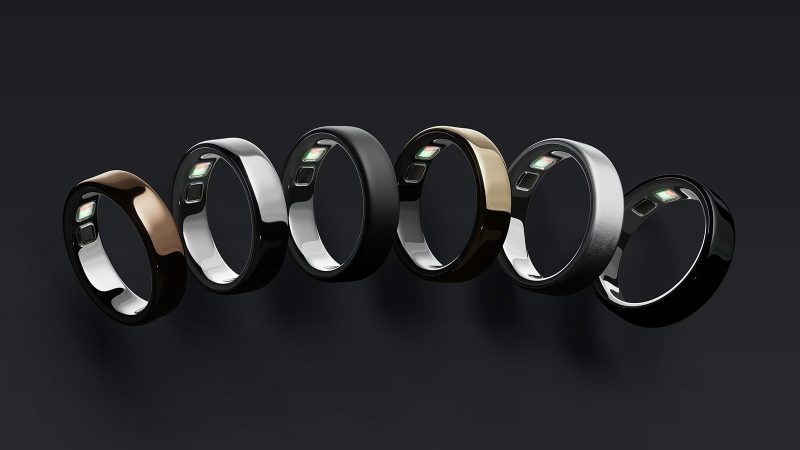
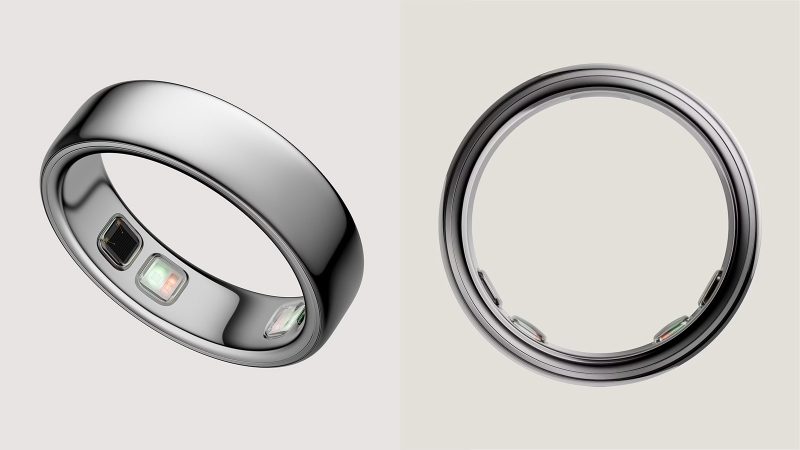
At just 2.28 mm thick and roughly 40 percent smaller in volume than the Oura Ring 4, the new ring is noticeably slimmer and lighter than its predecessor. The reduction in size is particularly noteworthy because Oura has simultaneously improved sensor performance. Redesigned optical pathways, more powerful LEDs, and a larger photodiode enable more consistent readings while consuming less power. According to the company, the result is its most accurate health-tracking ring to date, with measurable improvements in heart rate variability monitoring and workout heart-rate tracking.
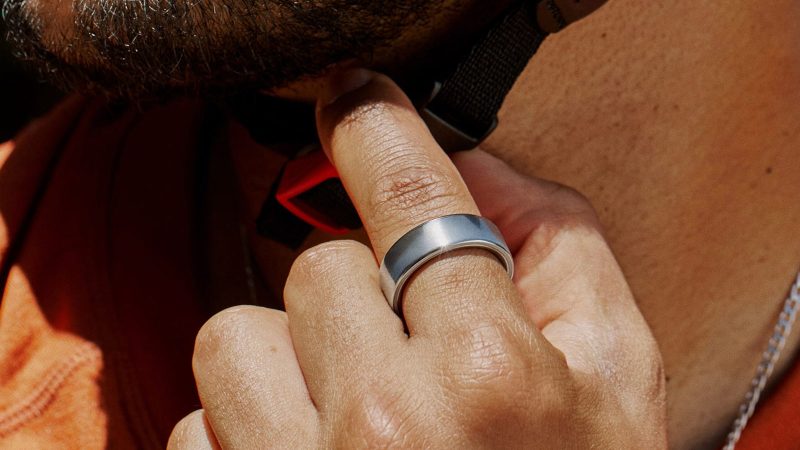

The hardware continues to be built from titanium, but durability has also been addressed through a more robust physical vapor deposition coating intended to better resist scratches and daily wear. Battery life now stretches up to nine days, while an optional portable charging case can extend runtime dramatically for travelers and frequent users.
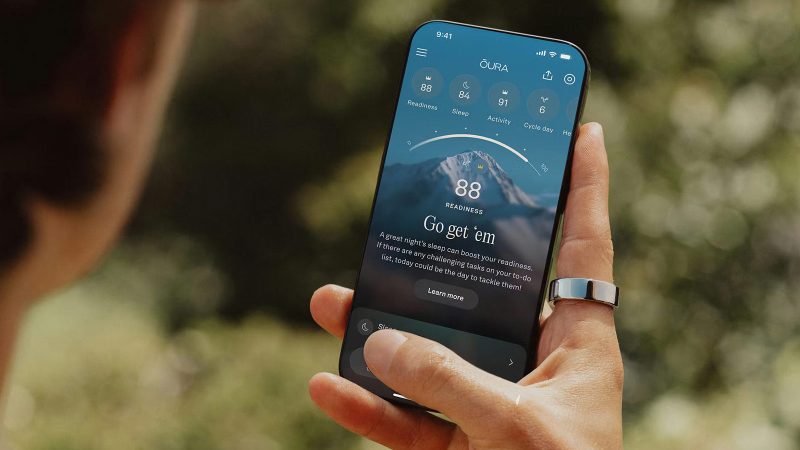
While the smaller design will draw immediate attention, the more significant development may be Oura’s growing focus on predictive health. The platform now combines biometric tracking with AI-powered health insights, allowing users to connect long-term trends, medical records, lab results, and real-time measurements in a more cohesive way. New features include advanced cardiovascular monitoring, breathing analysis, medication tracking, and expanded wellness coaching through the Oura app.
Smart rings have steadily evolved from niche fitness accessories into legitimate health-monitoring tools, and the Oura Ring 5 represents another step in that transition. Rather than chasing smartwatch-style complexity, Oura continues to refine a product that prioritizes discretion, comfort, and continuous health tracking. In a wearable market often defined by larger screens and more notifications, the Ring 5 makes a compelling case that the future of health technology may be becoming increasingly invisible.