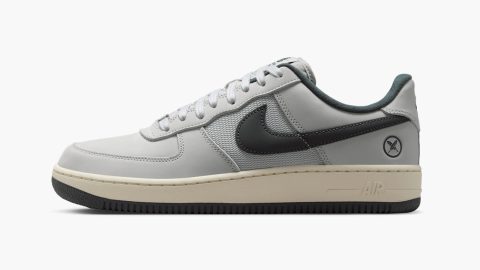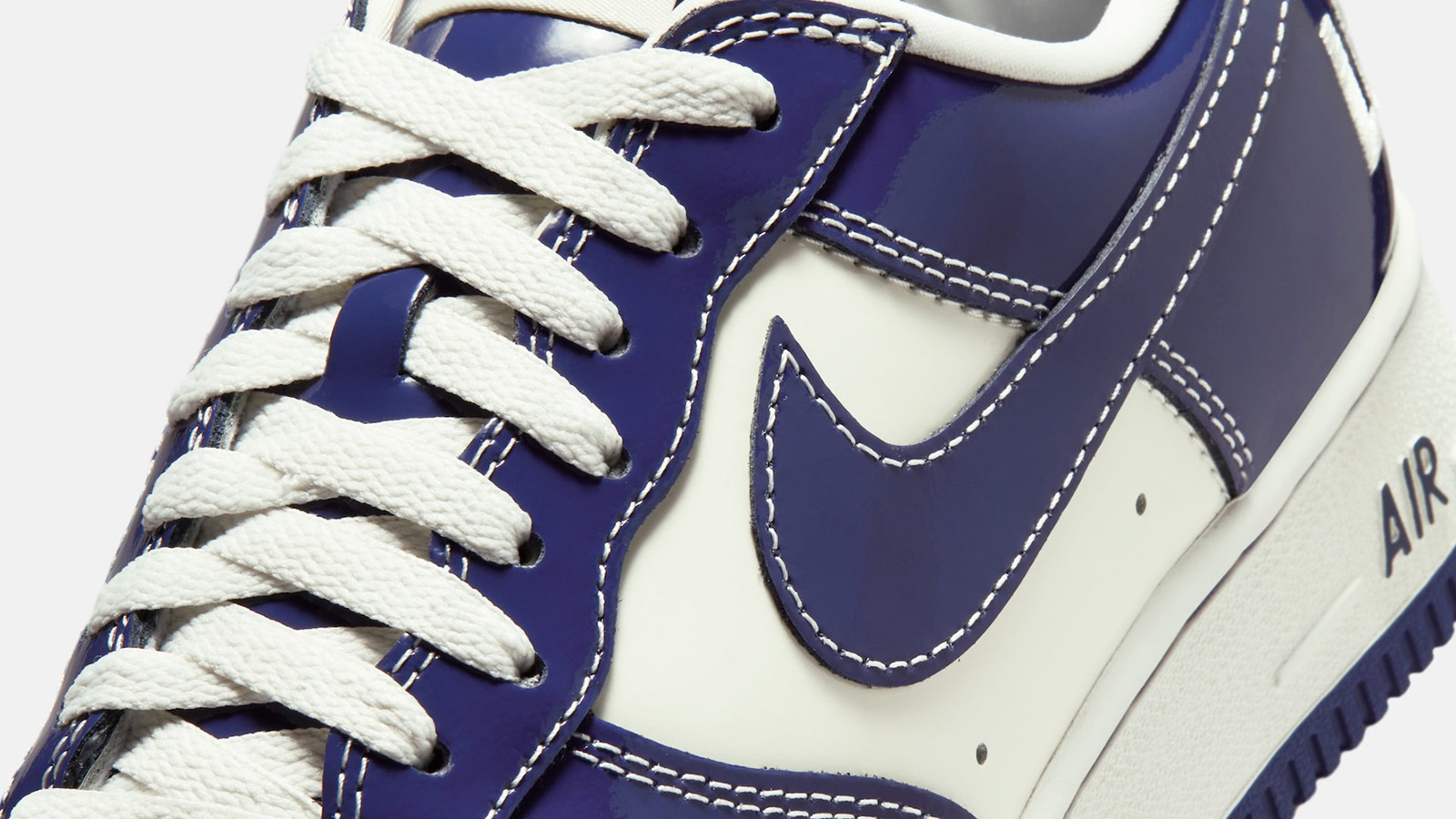
Nike and Japanese designer Nigo have created a special LO2 Air Force 1 that celebrates the 1995 debut of Nigo’s editorial column in the Tokyo street magazine LO2—a moment that helped codify Japan’s early sneaker culture.
The project draws from a formative era when Harajuku’s emerging scene blended American sportswear with distinctly local sensibilities, shaping a visual language that continues to echo through contemporary fashion. By revisiting that origin point, the collaboration positions the Air Force 1 not simply as a retro reissue, but as a cultural artifact reframed for a new audience.
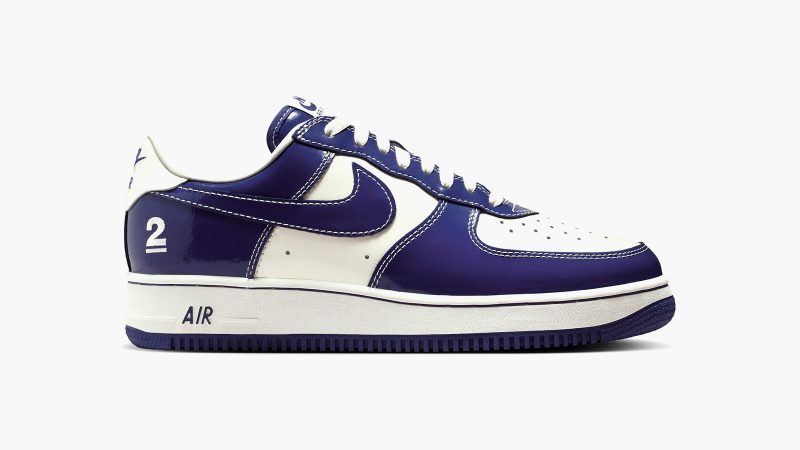
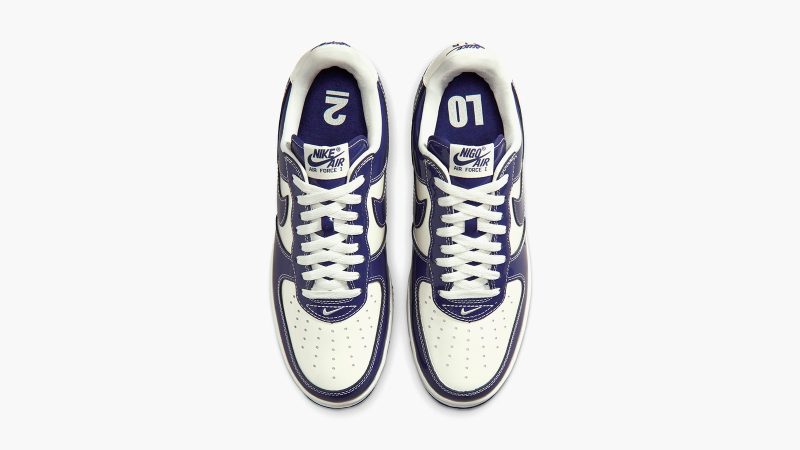
The sneaker itself leans into that narrative with a patent leather upper that catches light in a way reminiscent of Tokyo’s neon-lit storefronts. Classic Air Force proportions remain intact, with a thick midsole and broad overlays that nod to mid-1990s basketball design, while subtle refinements keep the silhouette grounded in modern wearability. LO2 and Nigo Air branding appear on the tongue and heel, functioning less as overt logos and more as archival references embedded into the shoe’s identity. The colorway, inspired by the glowing sign above Nigo and Jun Takahashi’s NOWHERE boutique in Harajuku, adds another layer of specificity—tying the design directly to a physical place that helped define an era.
Beyond the footwear, the collection expands into apparel that mirrors the same interplay between past and present. A black track suit, mesh football jersey, and coordinating shorts incorporate graphic prints drawn from the original LO2 column, translating editorial motifs into wearable form. The pieces feel intentionally straightforward in cut, allowing the historical references to carry the narrative rather than relying on exaggerated styling. It is a restrained approach that aligns with Nigo’s broader design ethos, where familiarity is often recontextualized rather than reinvented outright.
Nike plans to debut the collection on May 1 at London’s Design Museum, framing the release within an exhibition setting that reinforces its cultural significance. A wider rollout will follow shortly after, extending access beyond the initial presentation. The decision to anchor the launch in a design institution rather than a conventional retail environment underscores the project’s intent: this is as much about storytelling and preservation as it is about product.
Taken together, the LO2 Air Force 1 and its accompanying apparel illustrate how archival references can be translated into contemporary design without losing their original meaning. The Air Force 1 remains a versatile platform for these explorations, capable of absorbing new narratives while retaining its core identity. For those tracking the evolution of global streetwear, the collaboration offers a concise reminder that many of today’s visual cues trace back to specific moments, places, and publications—LO2 among them.