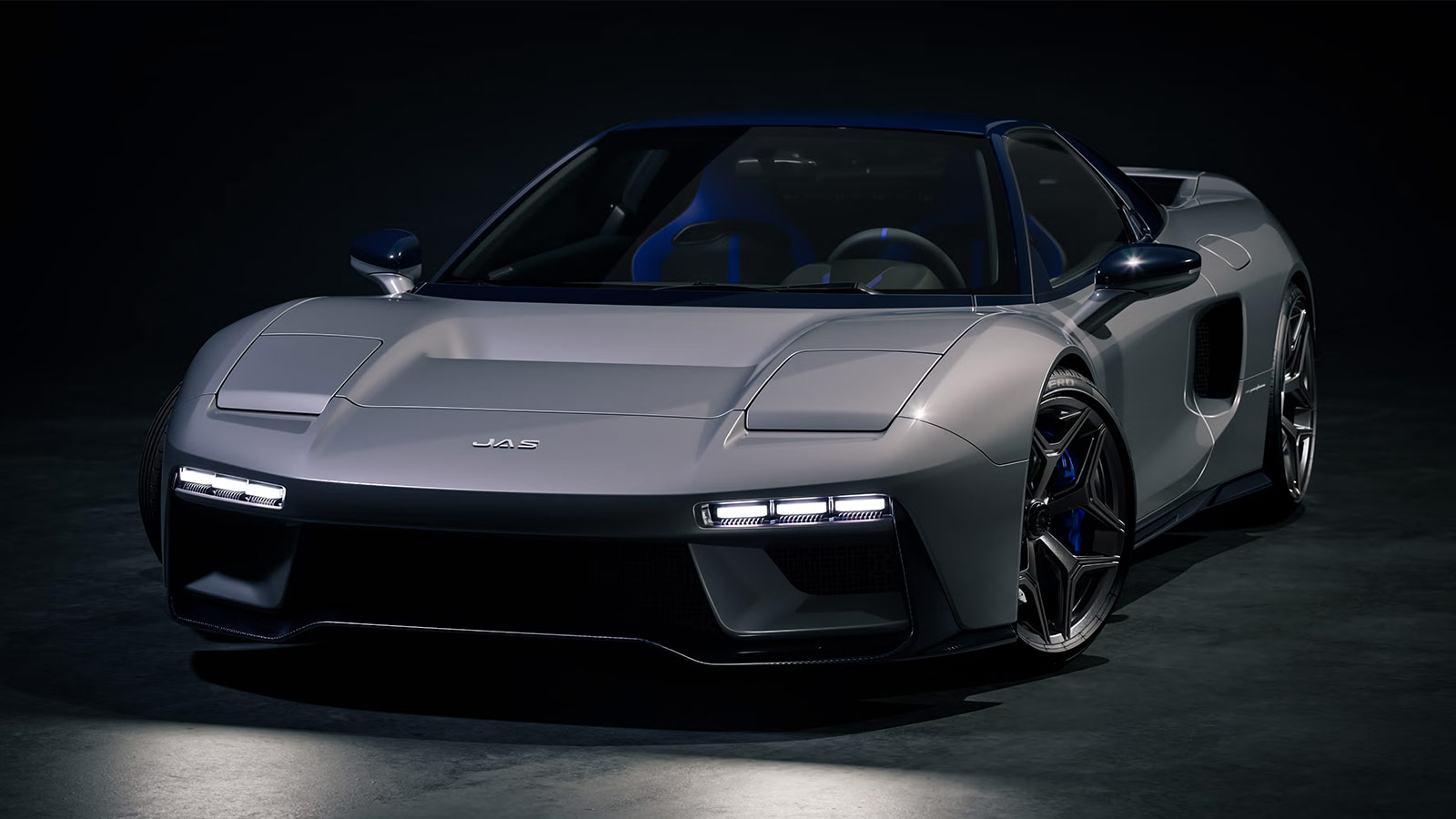
The best modern restomods do not simply borrow nostalgia; they clarify what made the original worth preserving in the first place. That appears to be the logic behind the JAS Tensei, a new supercar project developed by Pininfarina and JAS Motorsport that revisits the first-generation Honda (Acura) NSX with a sharper, more contemporary sense of proportion. Officially, JAS describes it as the company’s first supercar and frames it as a rebirth rooted in the DNA and principles of the original NSX rather than a clean-sheet successor.
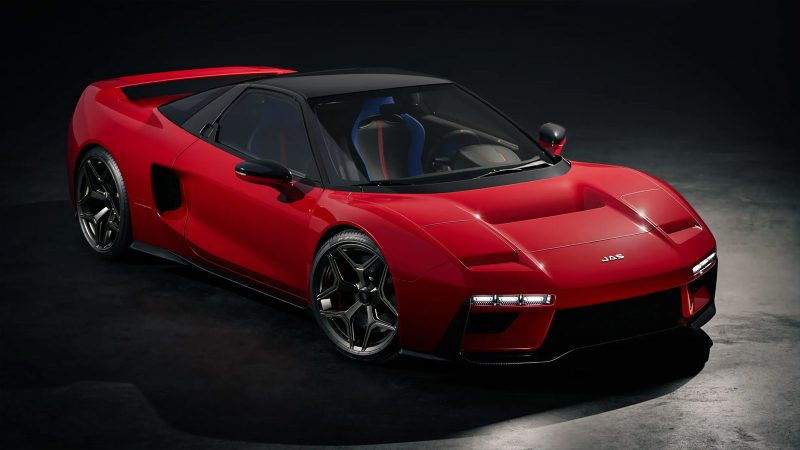
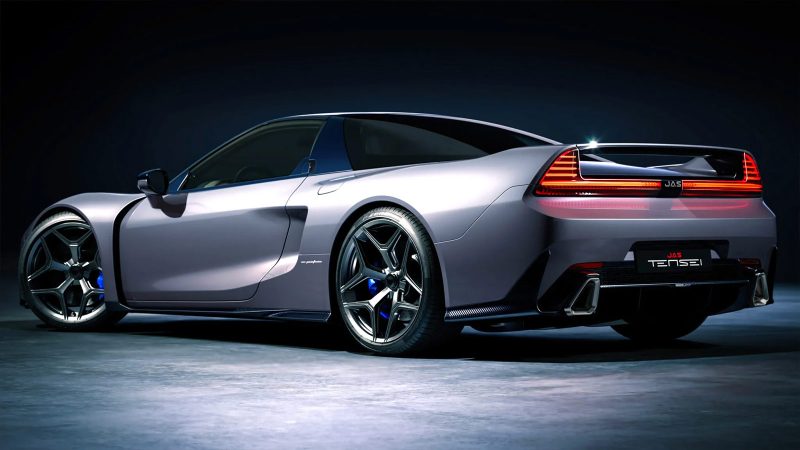
That distinction matters. Tensei is not being presented as a hypothetical future Honda or a vague styling exercise. JAS has said the car begins with an early-1990s donor vehicle selected for its chassis and mechanical base, then receives a full carbon-fiber body created by Pininfarina along with a redesigned carbon-fiber interior. Octane reports that the donor cars are carefully selected NA1-generation NSXs and that the package includes a revised chassis with a longer wheelbase, a wider track, and a lower stance, giving the familiar silhouette a more planted road presence without severing its connection to the original.
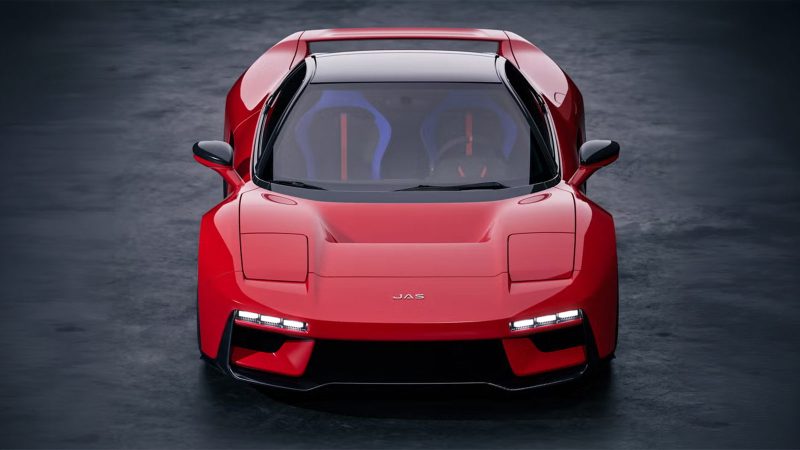
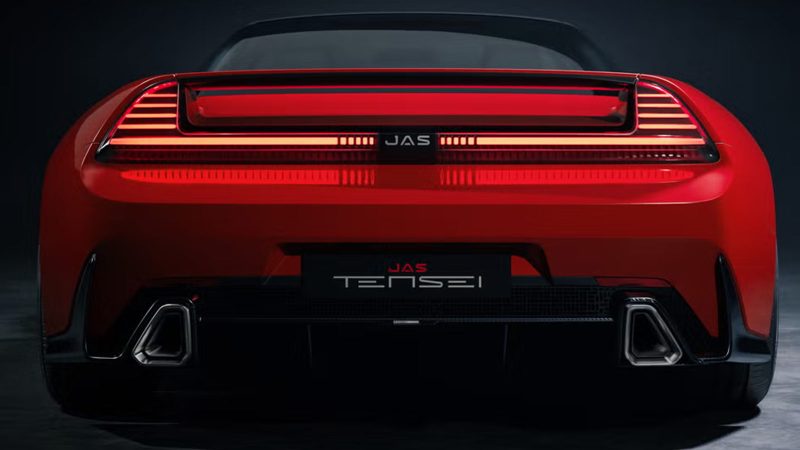
Mechanically, the project is deliberately old-school. JAS has confirmed an original NSX-inspired naturally aspirated V6 paired with a six-speed manual transmission, an unusually purist choice in a market now crowded with hybridized, dual-clutch performance cars. That drivetrain decision is central to the car’s identity. Rather than trying to out-tech the modern supercar establishment, Tensei appears to be chasing something more difficult to manufacture: tactility, clarity, and mechanical conversation between driver and machine.
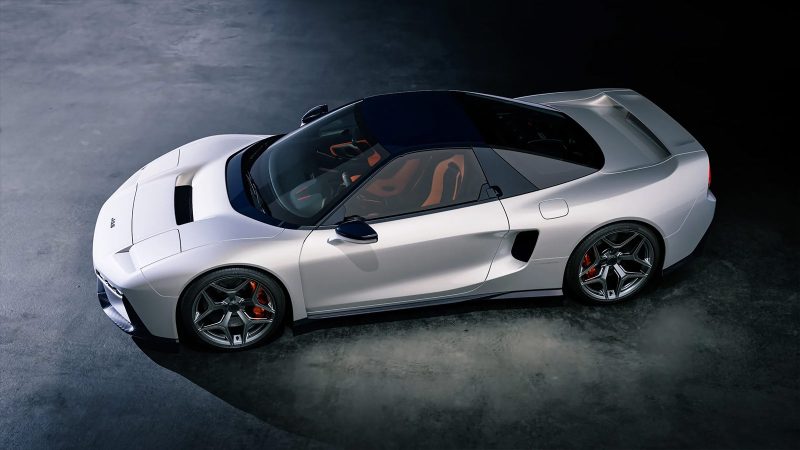
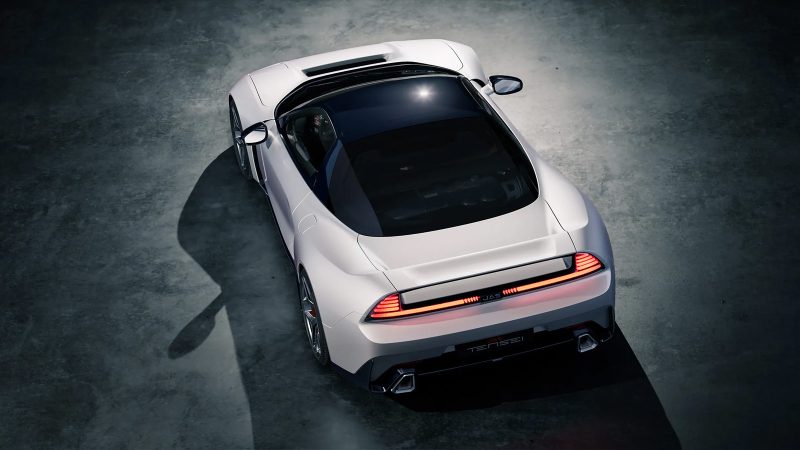
Visually, Pininfarina has kept several of the NSX’s signature cues intact. Octane notes the retention of the pop-up headlights, rectangular side intakes, and integrated rear wing and taillight graphic, even as the proportions become more assertive and the surfacing more sculpted. The result is neither retro cosplay nor a full rewrite. It reads more like an alternate future for the first NSX—one filtered through Italian coachbuilding discipline and motorsport engineering rather than corporate product planning.
JAS says the car will be available in both left- and right-hand drive, and Octane reports limited production at JAS Motorsport’s Atelier near Milan, with bespoke customization routed through Pininfarina’s atelier in Cambiano. Pricing and final production numbers have not yet been confirmed, but the premise alone is enough to make Tensei one of the more compelling enthusiast cars currently taking shape. In an era that often mistakes complexity for progress, this NSX rebirth seems to understand that restraint can be its own form of excess.