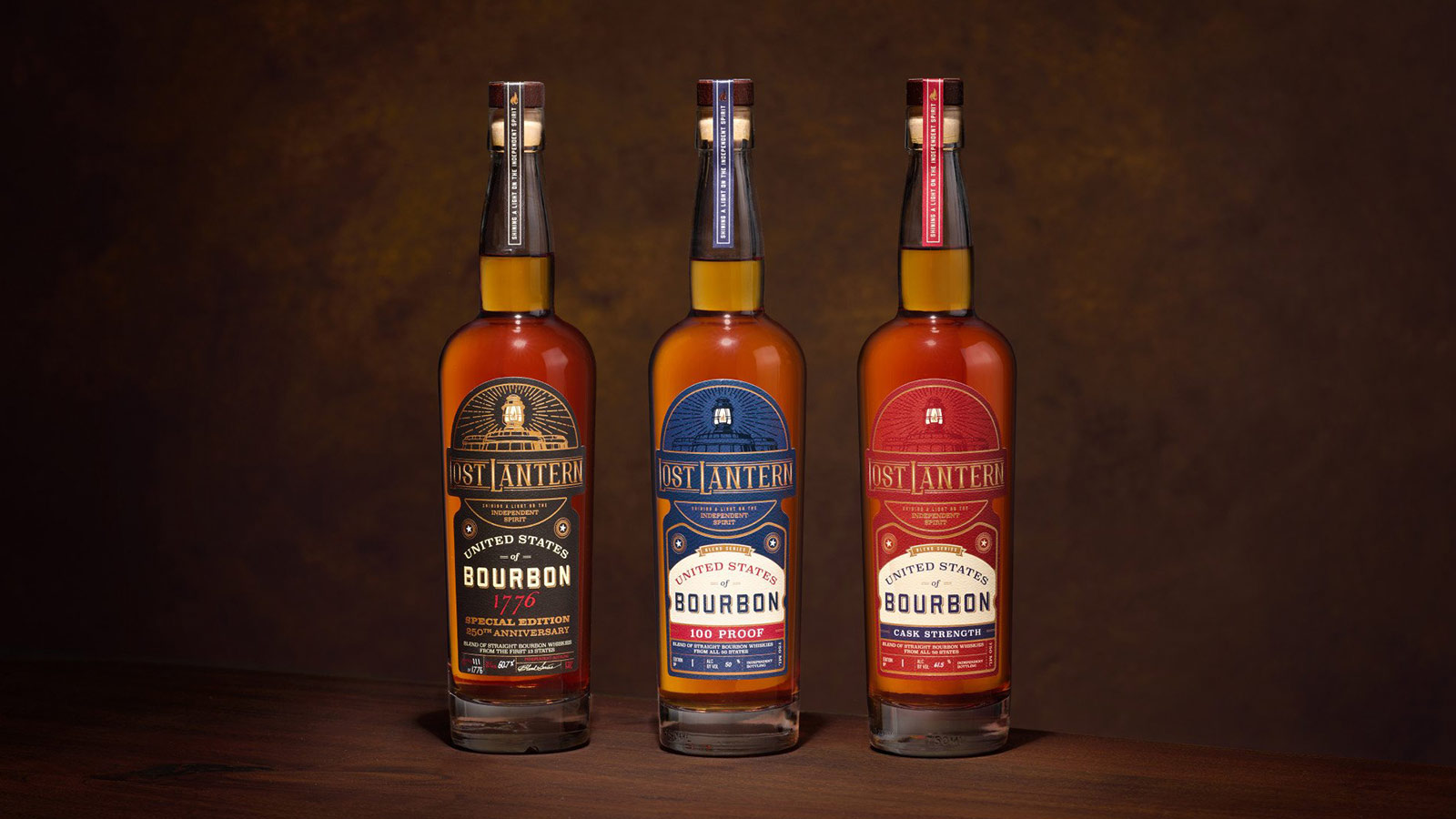
American whiskey is often defined by regional identity, from Kentucky’s limestone-filtered water to the emerging craft distilleries reshaping categories across the country. Lost Lantern’s latest project takes a different approach, attempting to capture the entire landscape in a single series. Called United States of Bourbon, the collection brings together straight bourbons from all 50 U.S. states, creating what may be one of the most ambitious blending projects in modern American whiskey.
The release is the culmination of five years of sourcing and research. Rather than focusing on a single region or style, Lost Lantern selected one distillery from each state, blending their contributions into three distinct expressions that highlight the diversity of American bourbon production.
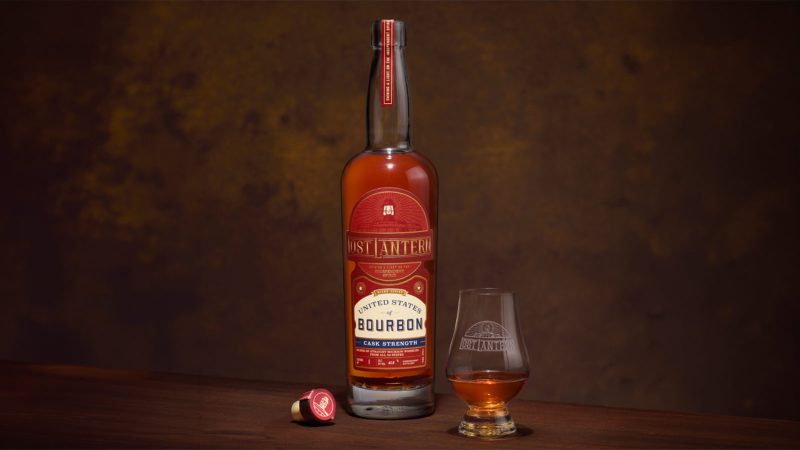
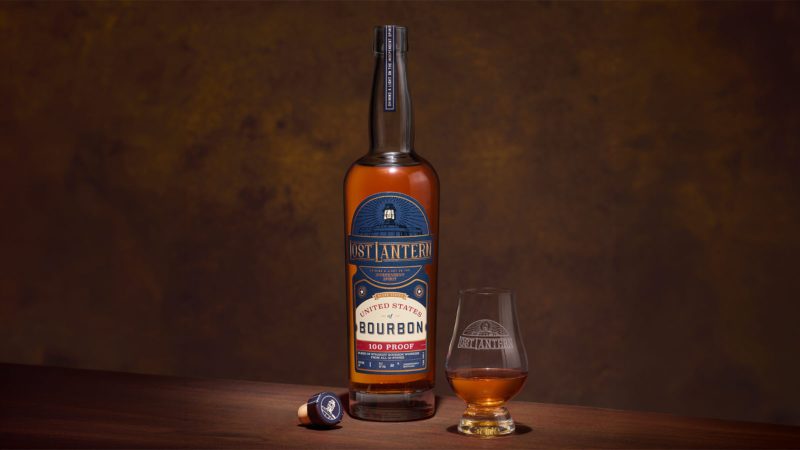
The flagship release is bottled at 100 proof and serves as the most approachable introduction to the series. Notes of vanilla, clove, orange zest, dark chocolate, and raspberry are balanced by a long, warming finish. A higher-proof cask-strength edition raises the intensity to 122.9 proof, layering black raspberry, leather, oak, and baking spices while maintaining a surprising degree of balance.
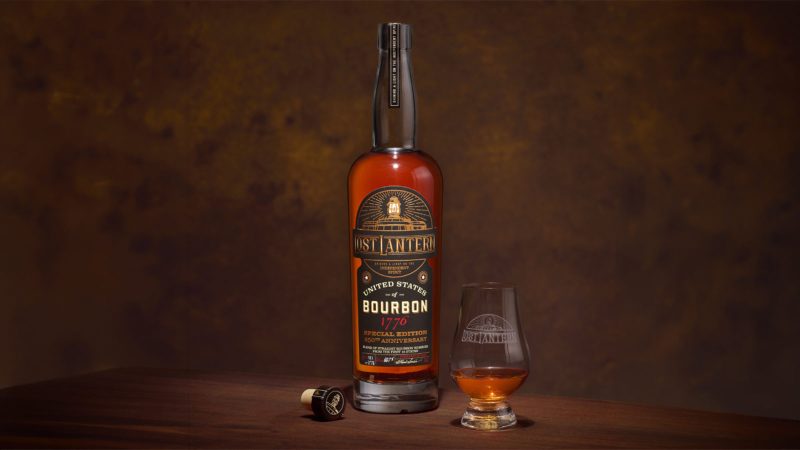
For collectors, the standout bottle is the 1776 Edition. Limited to 1,776 bottles, it combines bourbons from thirteen states as a nod to the original colonies. Bottled at 121.4 proof, it offers a more complex profile built around orange zest, walnut, fresh-baked bread, and dark chocolate.
What makes United States of Bourbon particularly noteworthy is its scope. While many independent bottlers focus on showcasing a single distillery or region, Lost Lantern uses blending as a way to tell a broader story about American whiskey itself. Established producers sit alongside younger craft operations, creating a liquid snapshot of a category that has expanded far beyond its traditional boundaries.
At a time when bourbon releases often compete through age statements, finishing techniques, or limited allocations, United States of Bourbon stands apart through its concept alone. It is less a celebration of any one distillery and more an exploration of how varied American whiskey has become, distilled into three bottles that attempt to represent an entire country.