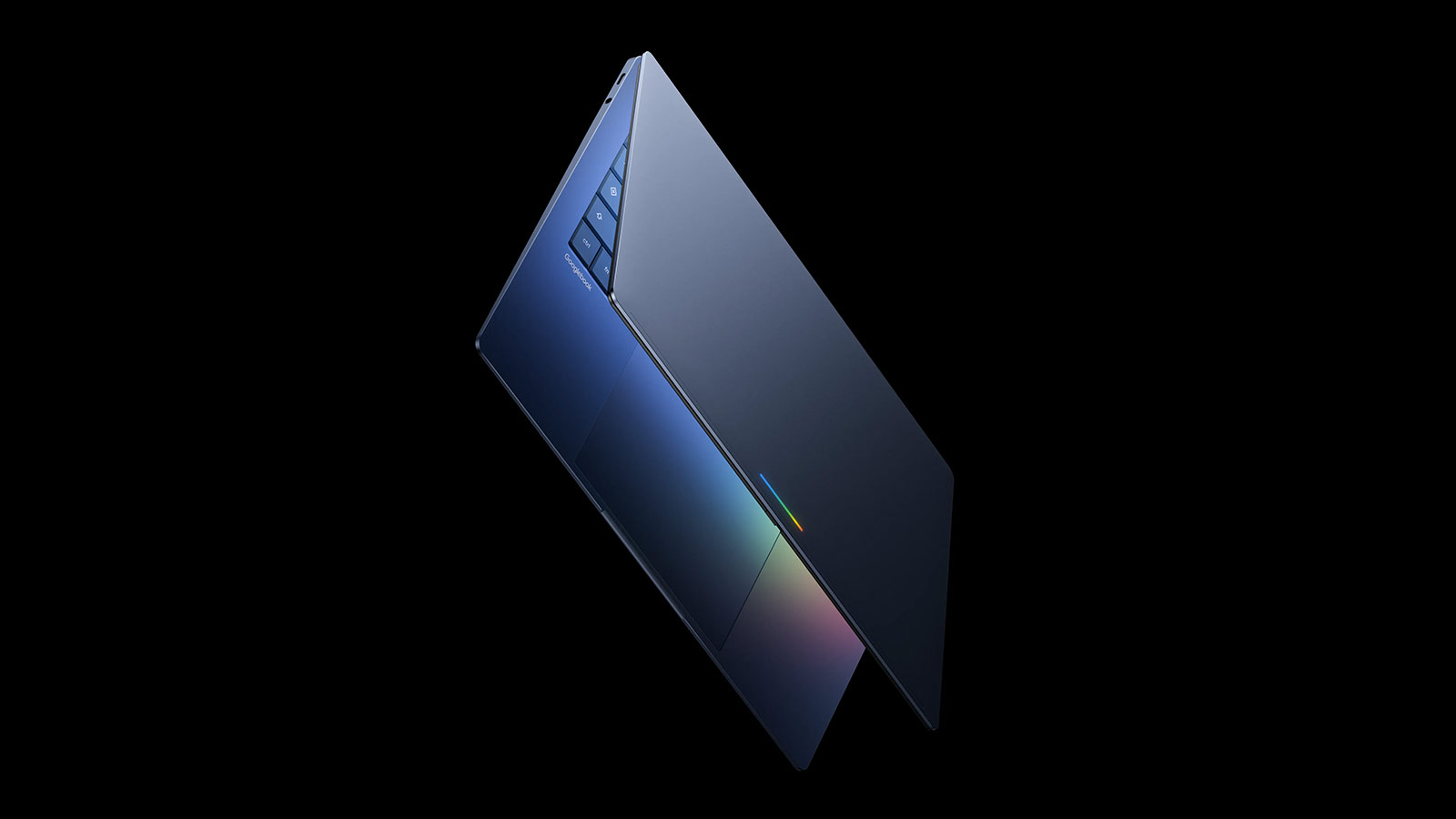
Google has spent the last several years weaving Gemini into search, mobile devices, and productivity software. With Googlebook, the company appears ready to make AI the foundation of the computer itself rather than another feature layered on top of it. The newly introduced platform rethinks the laptop around contextual intelligence, positioning Gemini less as a chatbot and more as an operating system layer that quietly anticipates user intent.
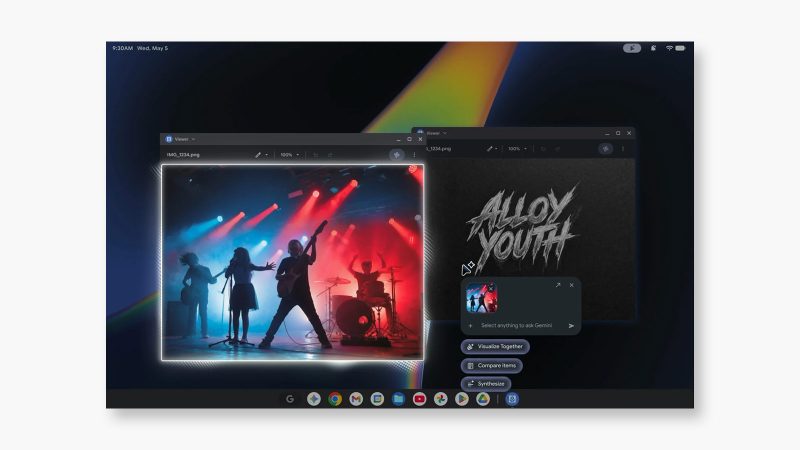
At the center of the experience is the Magic Pointer, a contextual AI tool that responds when users highlight text, images, or interface elements. Instead of forcing users into separate apps or browser tabs, the system can generate summaries, translate content, identify objects, or launch visual searches directly within the active workflow. The approach feels less disruptive than current AI assistants, emphasizing continuity rather than interruption.
Googlebook also introduces prompt-based widgets that allow users to create customized utility panels through natural language commands. Rather than manually configuring dashboards, users can describe the functionality they want and let Gemini assemble it. The result is a more fluid interpretation of productivity software, where interfaces become adaptive rather than fixed.
The platform’s integration with Android devices is equally central to the concept. Quick Access allows connected phones to mirror files, notifications, photos, messages, and calls directly within the Googlebook environment. The transition between devices is designed to feel nearly invisible, further reinforcing Google’s ecosystem ambitions.
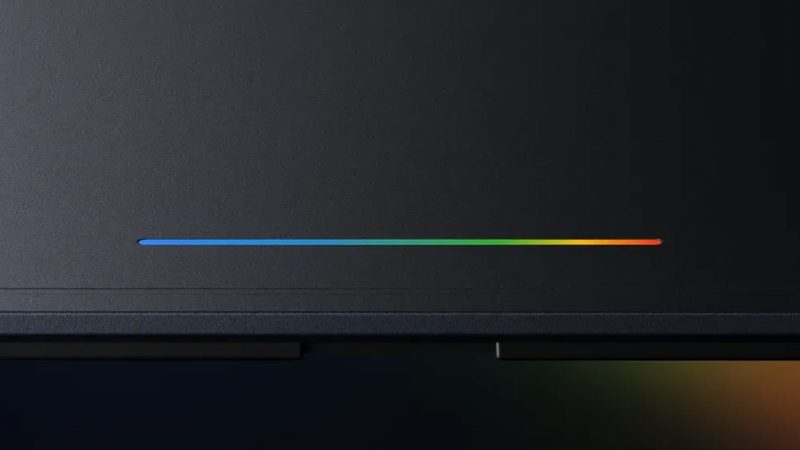
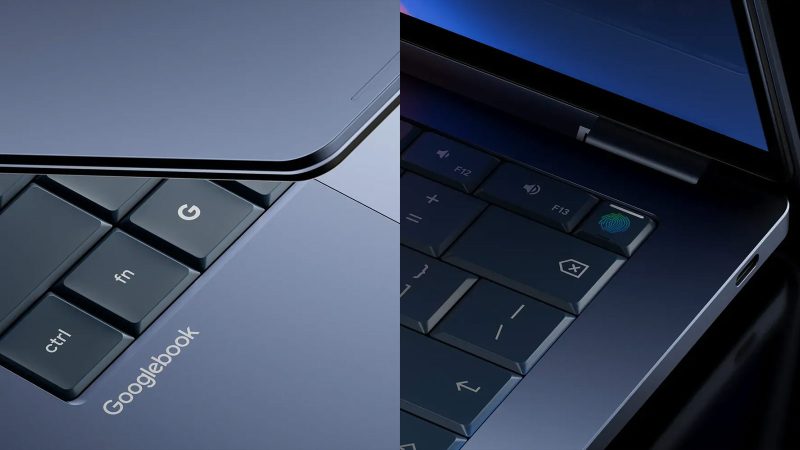
Hardware partners including Acer, ASUS, Dell, HP, and Lenovo will each develop their own Googlebook devices, all featuring understated industrial design and slim “glowbars” that provide subtle visual feedback for AI interactions. The aesthetic appears intentionally restrained, echoing the cleaner material language seen in premium Chromebook design rather than leaning into overt futurism.
Google plans to launch Googlebook later in 2026. Whether it becomes a true shift in portable computing or simply another software layer will depend on execution, but the broader direction is already clear: AI is moving from application to infrastructure. That transition is already reshaping the uture of AI computing, while Google’s expanding ecosystem strategy continues to evolve through tighter Android integrations.