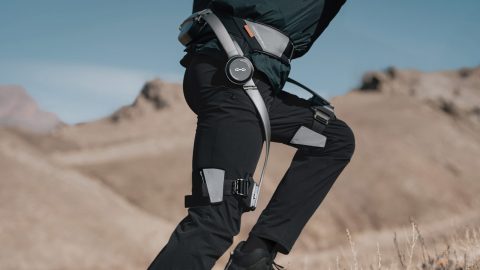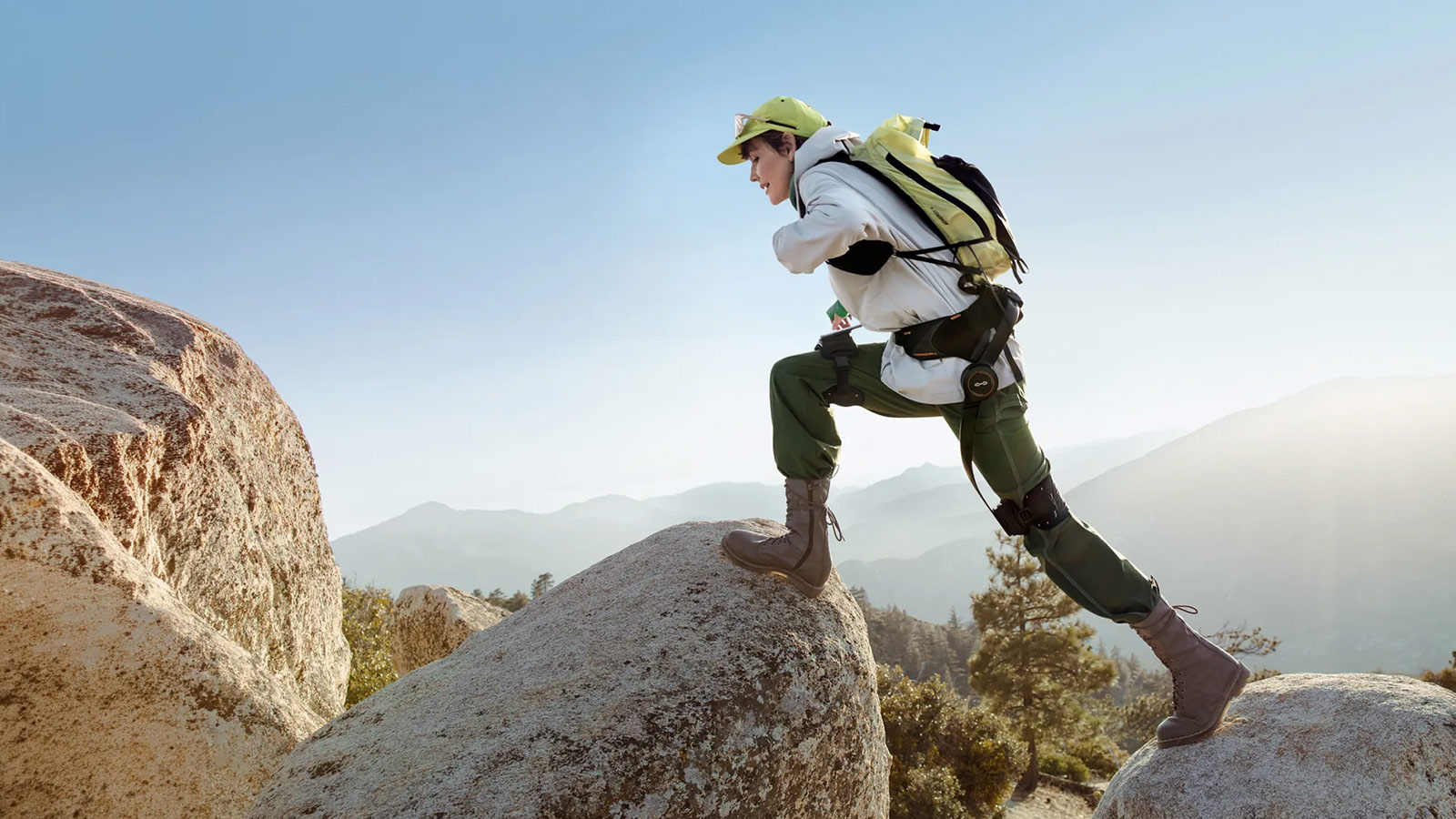
When Hypershell first introduced the X Series, the idea of wearing a powered exoskeleton on a hiking trail felt closer to science fiction than outdoor gear. A year later, the company is back with a significantly updated lineup that suggests wearable robotics may be maturing into a legitimate category of performance equipment.
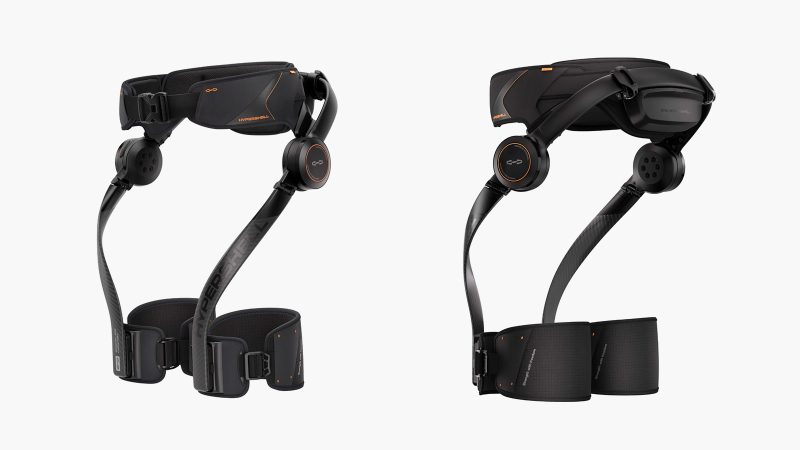
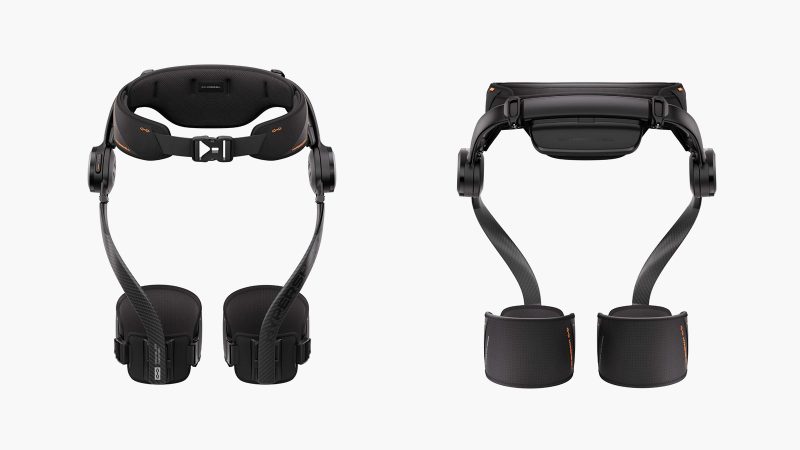
The new X Series builds on the foundation established by the original models but introduces a more sophisticated control system designed to make the experience feel less mechanical and more intuitive. At the center of the update is HyperIntuition, Hypershell’s latest AI-powered motion platform.
Rather than simply reacting to movement, the system continuously analyzes gait patterns, terrain changes, and body position to anticipate motion and deliver assistance with greater precision. According to the company, synchronization speed and overall responsiveness have improved substantially over the previous generation.
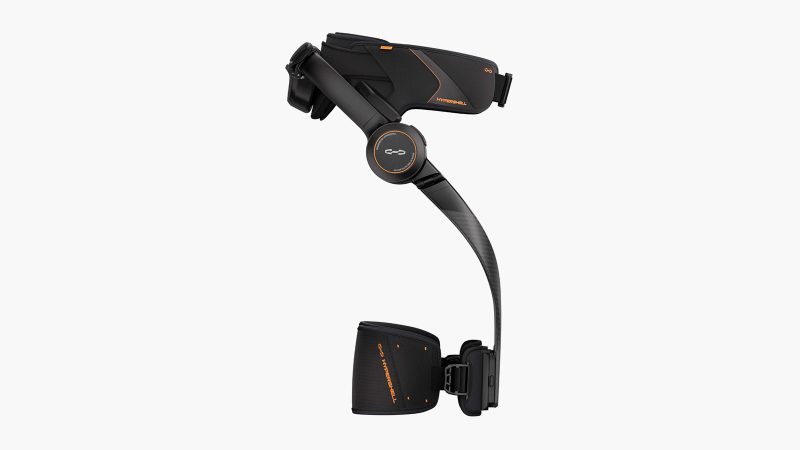
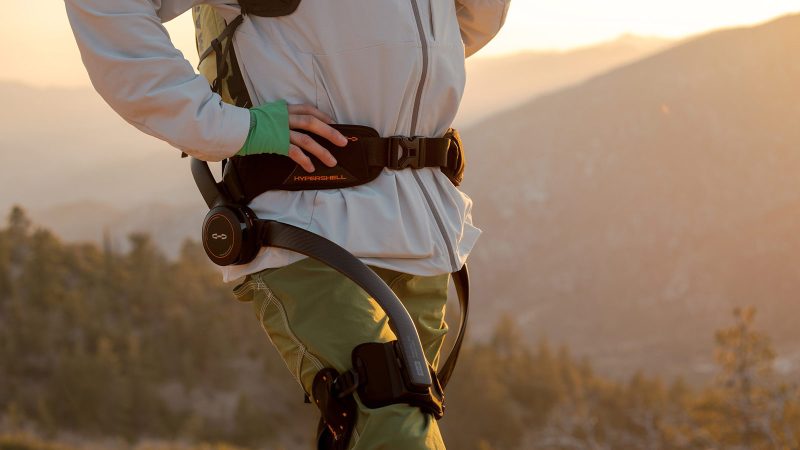
The flagship X Ultra sits at the top of the range with up to 1,000 watts of motor assistance delivered through a lightweight frame constructed from aerospace-grade titanium alloy and carbon-fiber composites. The system weighs approximately four pounds yet is designed to reduce fatigue during long climbs, steep descents, and extended days on the trail. Hypershell claims the wearable can reduce perceived effort during walking while providing even greater benefits during demanding activities such as cycling and elevation gain.
More importantly, the new lineup reflects a shift in how the company positions the technology. The original X Series was often viewed as a futuristic curiosity. The latest generation is increasingly being presented as practical outdoor equipment, with applications extending beyond recreational hiking into expedition travel, field work, and search-and-rescue testing programs. That transition mirrors the early evolution of electric bicycles, which initially appeared niche before becoming a widely accepted mobility category.
The lineup now includes multiple configurations tailored to different users. The X Ultra focuses on maximum performance, while lower-tier variants prioritize affordability, weight savings, or everyday usability. Across the range, the goal remains the same: reducing physical strain without fundamentally altering how people move.
Consumer exoskeletons remain a specialized segment, and there are legitimate questions about long-term adoption among outdoor purists who often value simplicity over technology. Yet each successive generation feels less like an experiment and more like a product category finding its footing.
If the first Hypershell X Series introduced the idea of powered hiking assistance, the new X Series makes a stronger case that wearable robotics could eventually become as commonplace as GPS watches, trekking poles, or e-bikes.