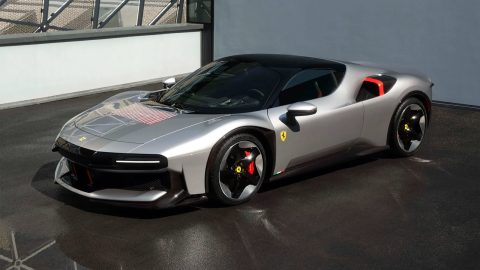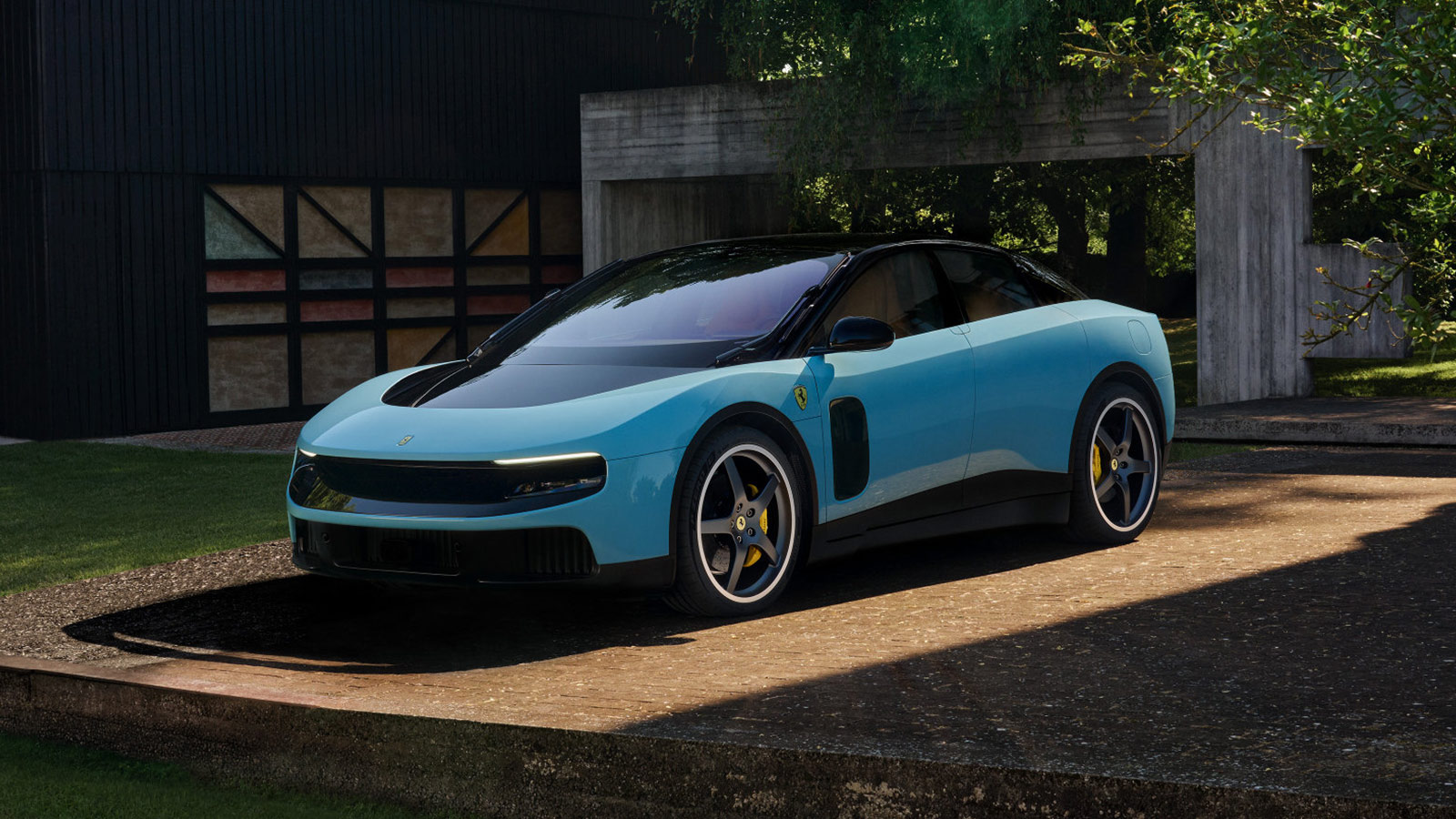
Ferrari’s long-anticipated entry into the electric era has officially arrived. The Italian marque recently unveiled the Luce, its first fully electric production car and arguably one of the most consequential launches in the company’s modern history. The four-door EV reportedly targets a top speed of 193 mph and carries a price tag exceeding $586,000, positioning it less as a mass-market experiment and more as a rolling declaration of intent.
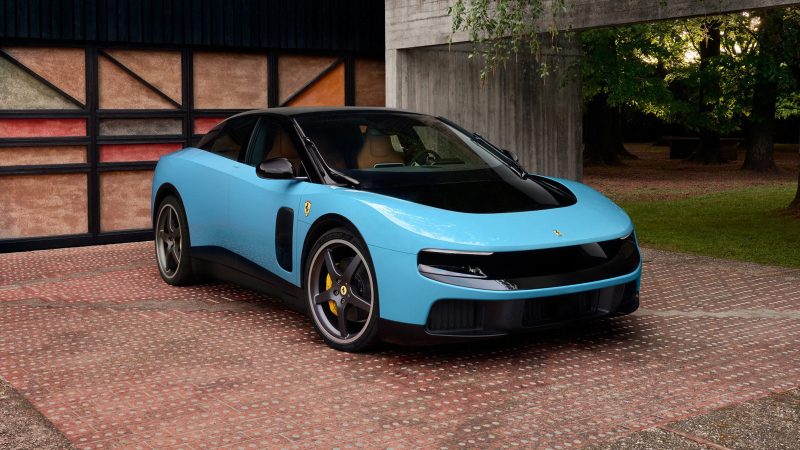
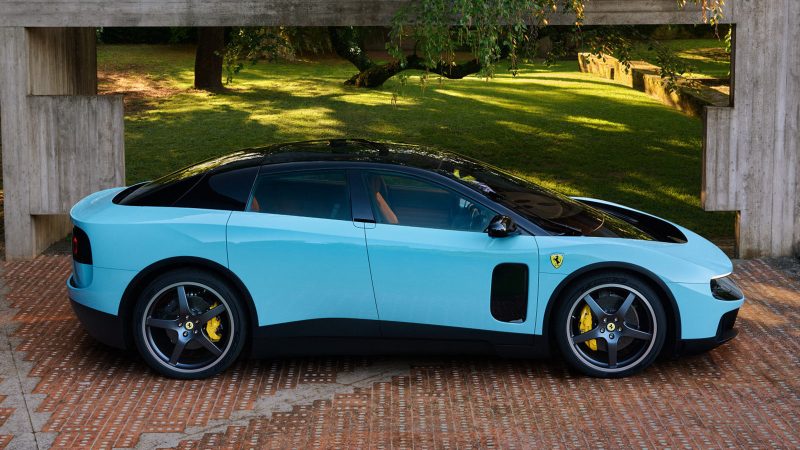
Named after the Italian word for “light,” the Luce was developed with significant involvement from LoveFrom, the design studio founded by former Apple chief designer Jony Ive. That influence has already become a point of fascination—and perhaps mild concern—among enthusiasts. The finished design embraces a cleaner, softer, more minimalist approach than the aggressively sculpted Ferraris of recent years. While that restraint may help the Luce distinguish itself from the increasingly overwrought visual language of modern supercars, there is also the risk that Ferrari’s traditionally emotional design vocabulary becomes diluted by the sort of polished minimalism more commonly associated with luxury consumer electronics.
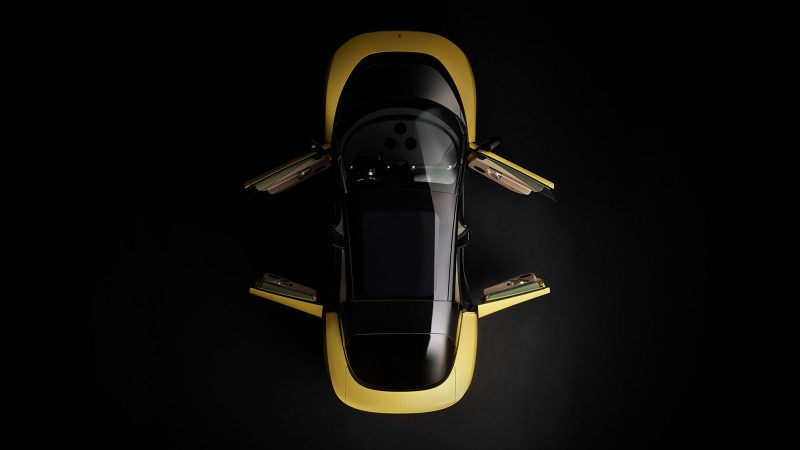
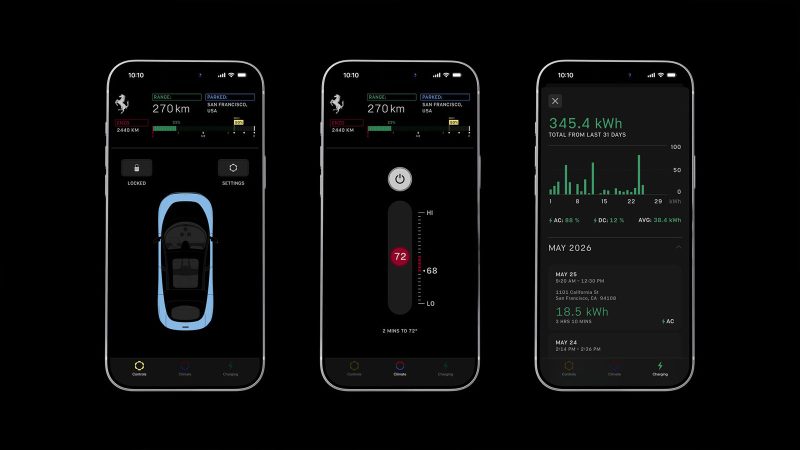
That tension feels especially relevant for a brand whose identity has historically revolved around mechanical drama. Ferrari appears to understand the challenge. Rather than synthesizing fake engine sounds through speakers, the company developed a system designed to amplify natural vibrations from the electric powertrain, creating an acoustic signature unique to the car itself. It’s an approach that sounds more thoughtful than many current EV sound experiments, though whether it can replicate the visceral character buyers expect from Ferrari remains an open question.
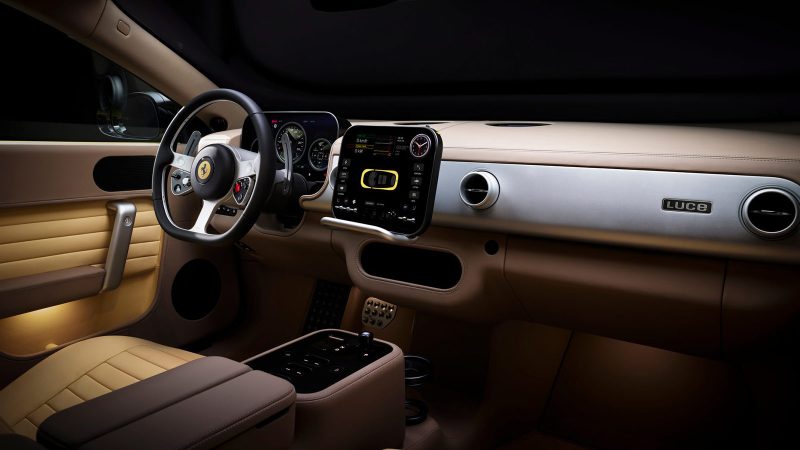
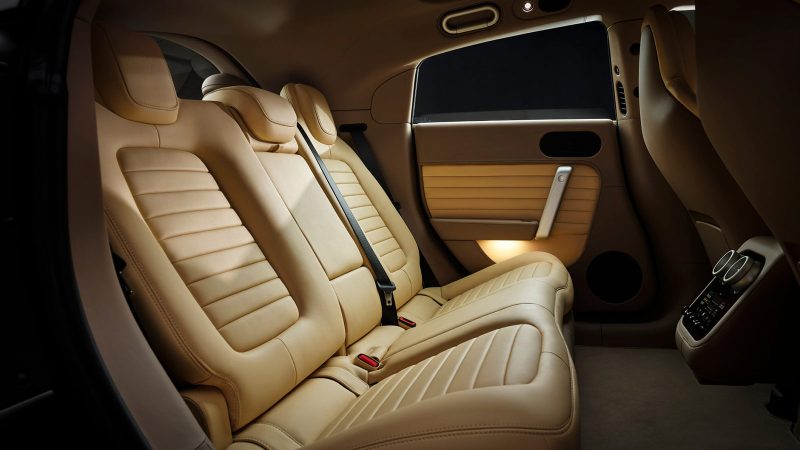
The Luce also arrives at an uncertain moment for high-end electrification. Several luxury manufacturers have slowed or reconsidered EV rollouts amid softer-than-expected demand, yet Ferrari appears determined to define the category on its own terms. The company has invested heavily in a dedicated “e-building” at its Maranello headquarters, and CEO Benedetto Vigna says customer deliveries will begin in October.
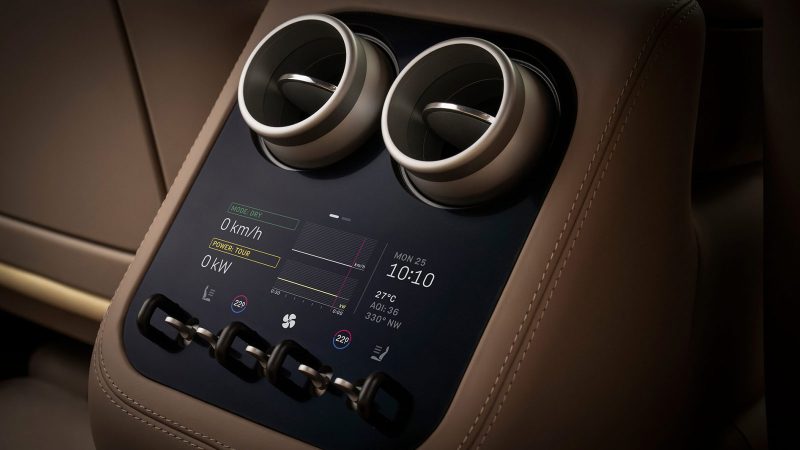
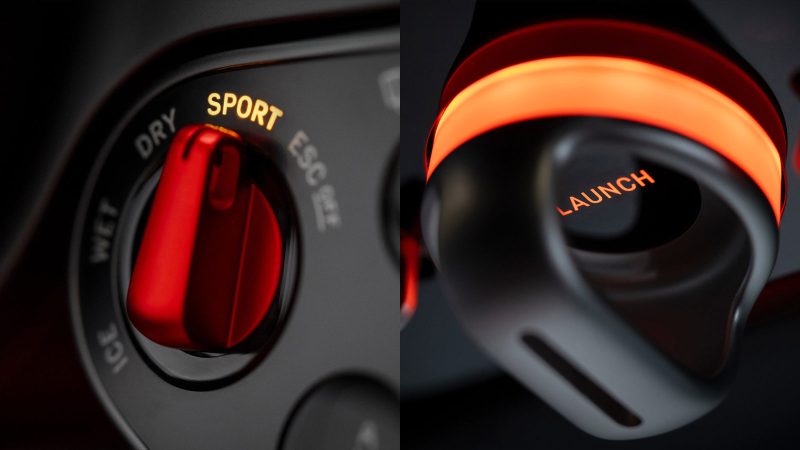
Interestingly, reports suggest Ferrari’s second electric model has already been delayed until at least 2028, implying the Luce may function more as a halo product and technological statement than a major sales driver. That positioning arguably suits Ferrari best. The company has never competed on volume, and the Luce seems designed less to chase trends than to establish how Ferrari believes an electric grand tourer should feel.
Whether buyers embrace that vision may ultimately depend on how much of Ferrari’s analog soul survives the transition.