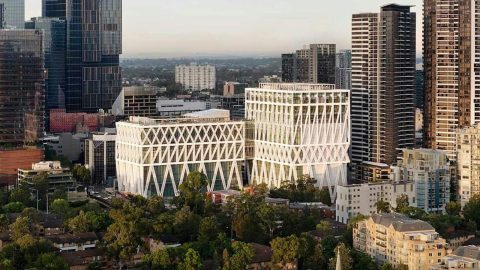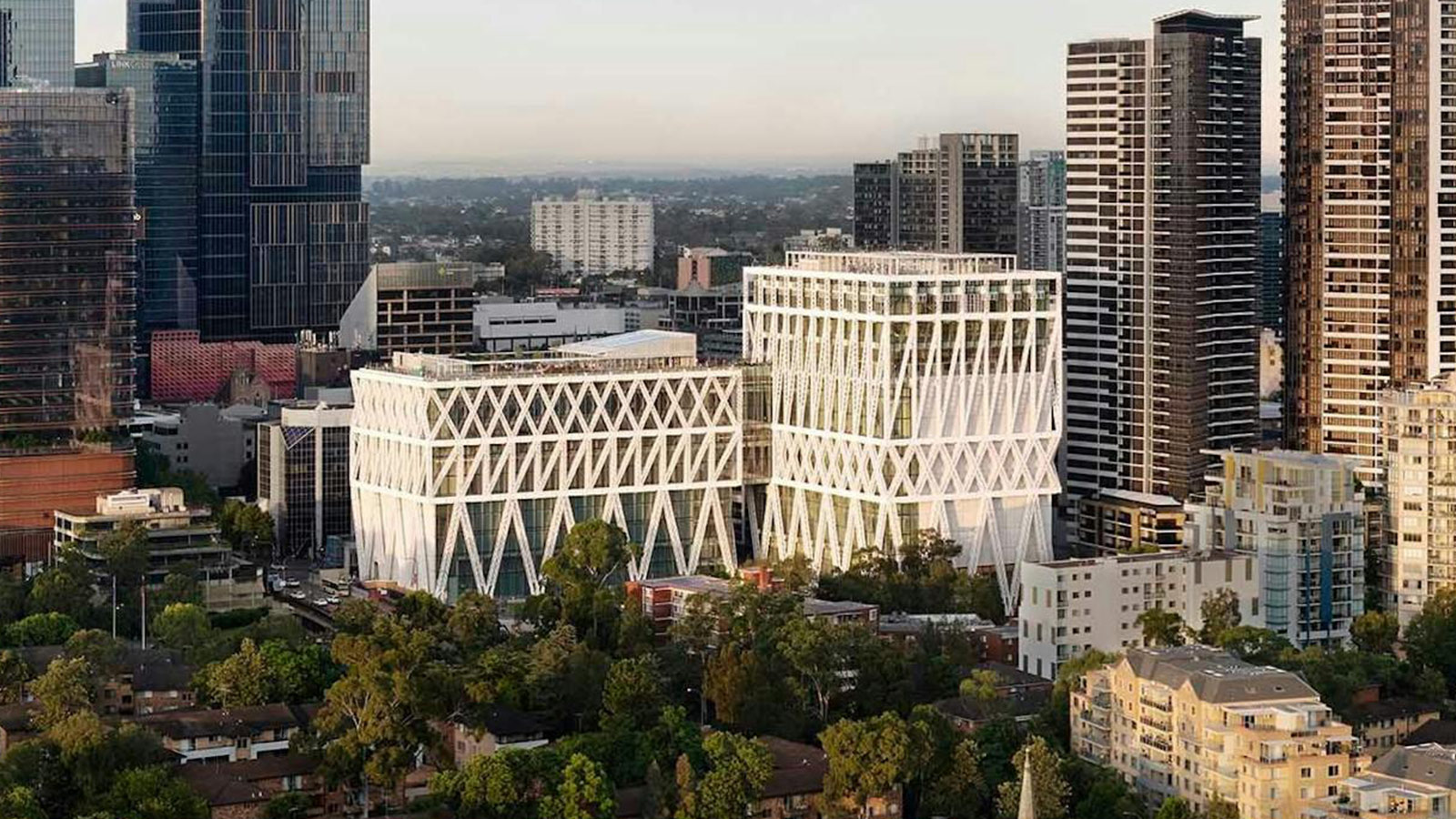
A museum’s structure can explain its purpose before the first object comes into view. At the newly opened Powerhouse Parramatta, a white steel lattice makes engineering part of the public face of a museum devoted to applied arts and sciences.
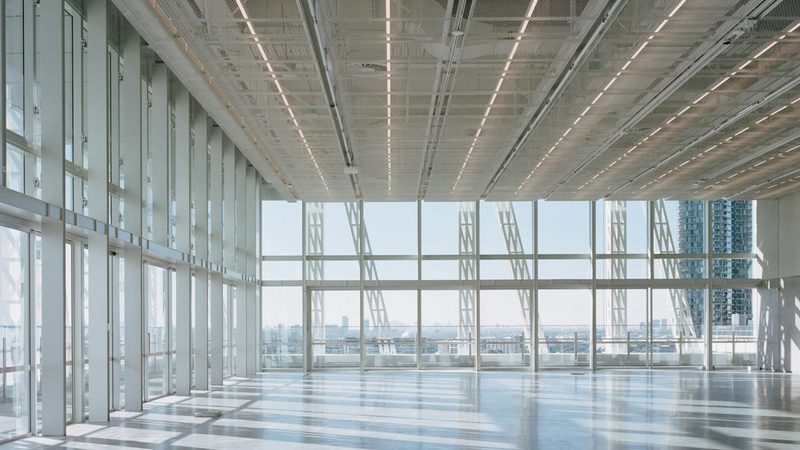
Moreau Kusunoki led the design with local architect Genton and engineering firm Arup. The exterior structural system creates large exhibition volumes without internal columns, while its layered geometry changes character between the street and the distant skyline. The riverside setting links Western Sydney’s city center with the waterfront.
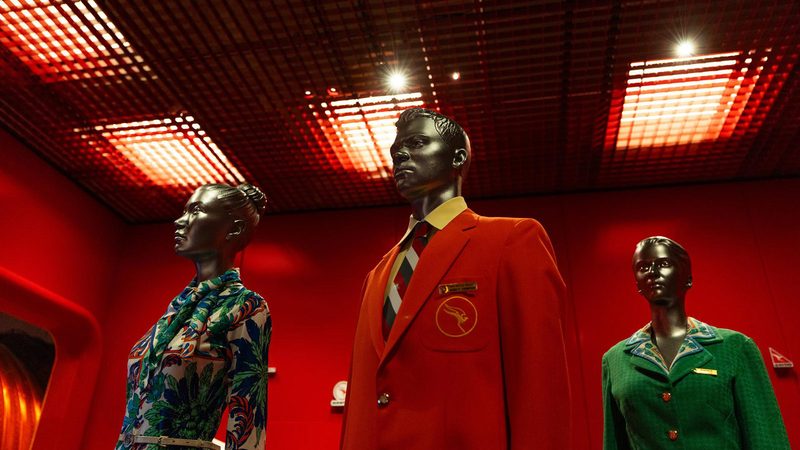
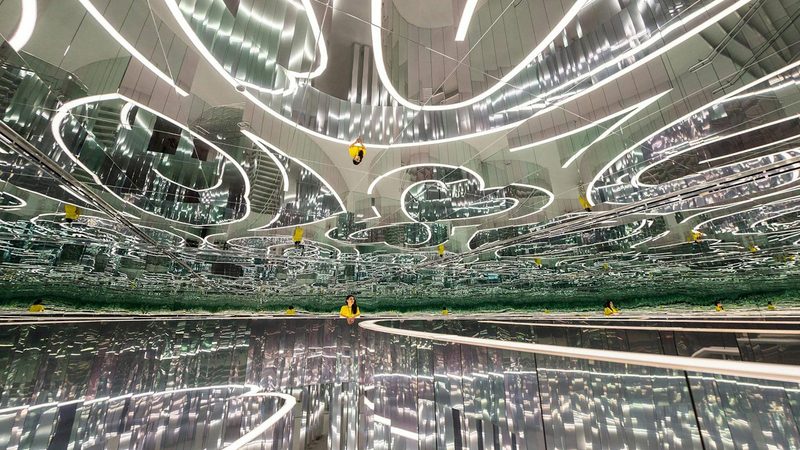
Inside, five opening exhibitions gather more than 3,000 objects. Their range makes the architecture’s flexibility tangible. The Mall, developed with OMA/AMO, examines the systems behind an apparently ordinary shopping trip: architecture, transactions, technology, and the shaping of public life.
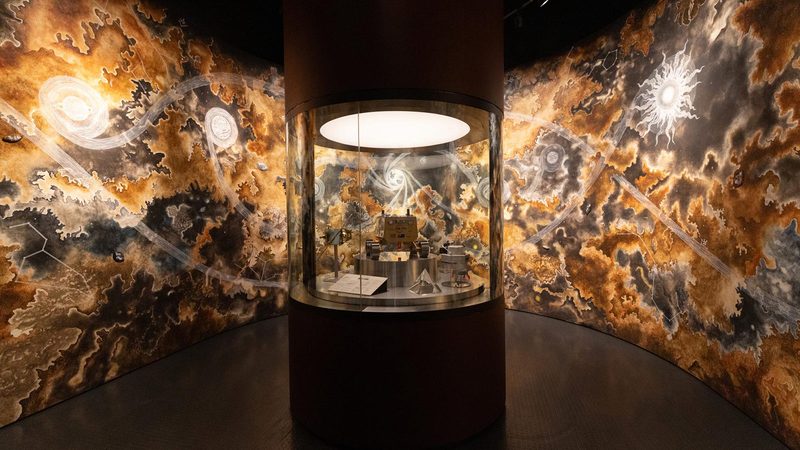
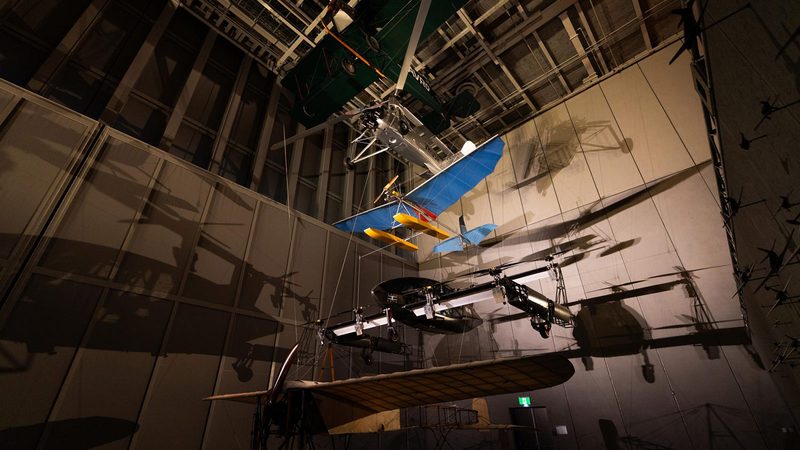
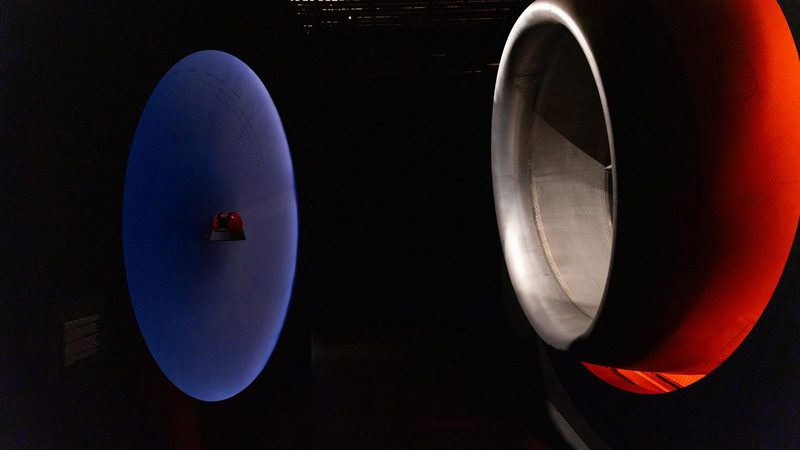
That investigation sits beside Task Eternal, an aviation and space exhibition with more than 850 objects. Historic aircraft, Leonardo da Vinci’s flying-machine drawings, and contemporary space hardware connect imagination with engineering. Es Devlin’s installations, a First Nations-led exhibition about water, and a children’s exhibition complete the opening group.
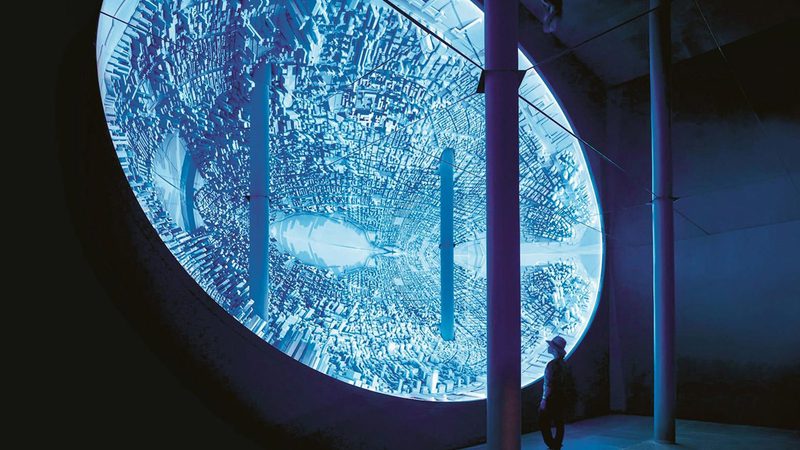
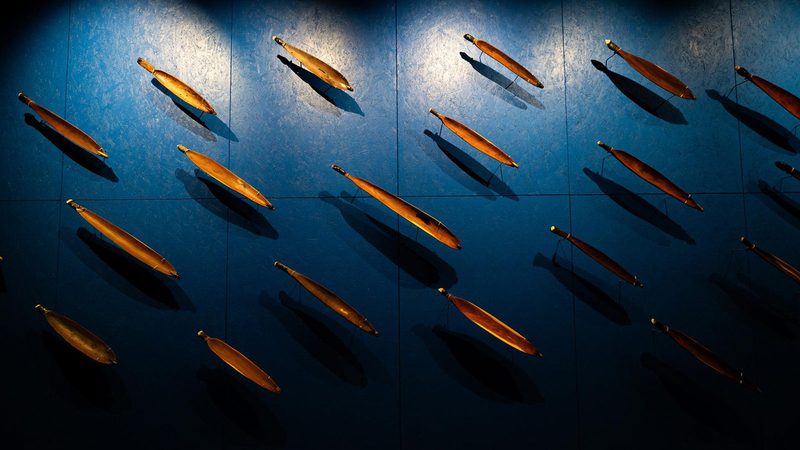
The museum is open daily, with its opening festival continuing through November 29. General entry and four opening exhibitions are free; Task Eternal requires a separate paid adult ticket.
The building offers a substantial reason to visit, but its contents give the visible structure a purpose.