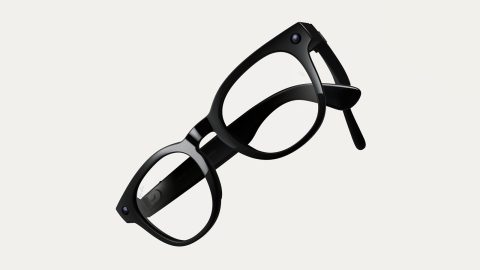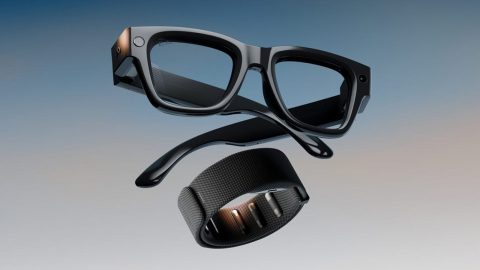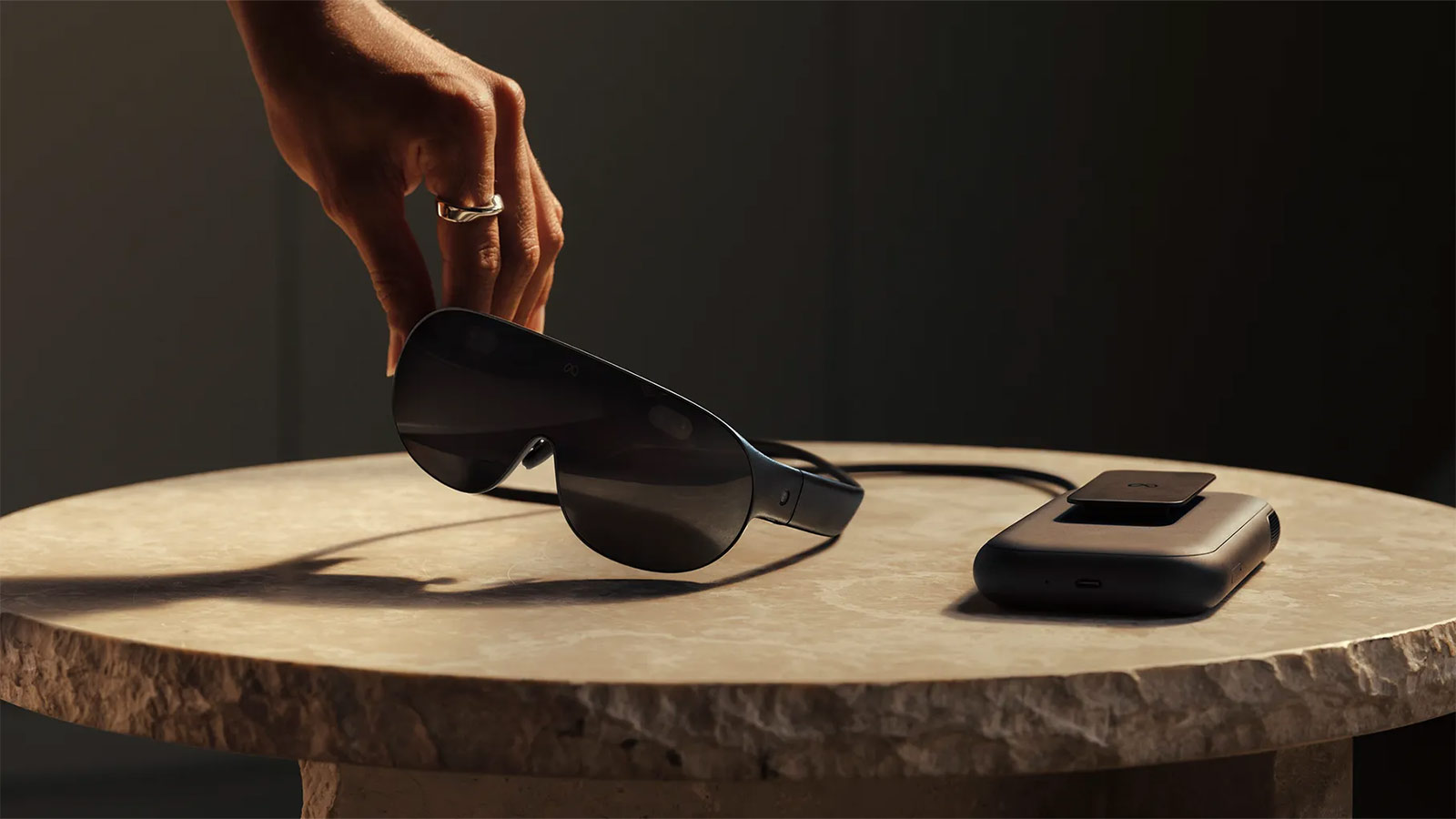
VR has spent years getting sharper without getting much easier to wear. Meta VR Glasses move most of the weight off the face, splitting the system between 100-gram magnesium glasses and a pocket-sized compute puck connected by an optical tether.
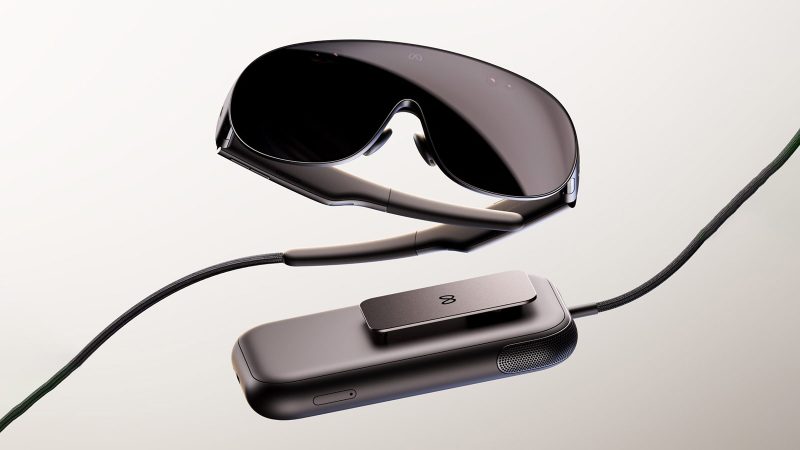
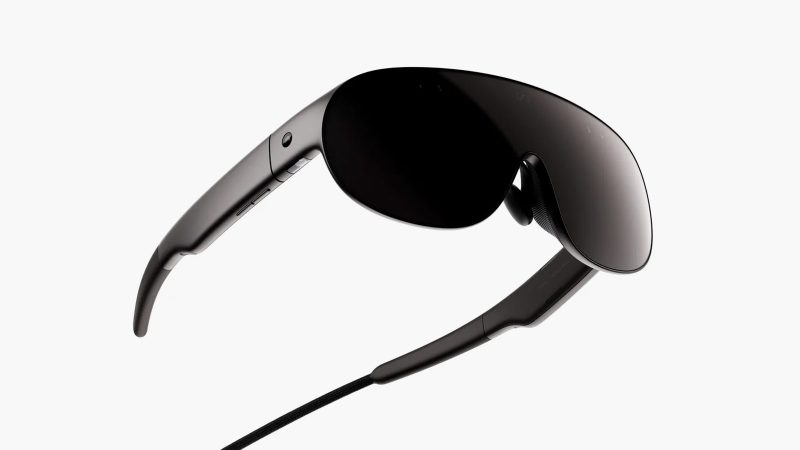
The glasses carry sensors, custom pancake lenses, and a 5K Infinite Display built from micro-OLED panels at 37 pixels per degree. The puck handles processing, storage, and a battery rated for three hours of high-resolution media playback with 45W charging. Qualcomm’s Snapdragon Reality Elite runs the system, while Dolby Vision and frame-integrated Dolby Atmos handle picture and sound. Meta AI, eye tracking, voice input, and hand gestures replace traditional controllers.

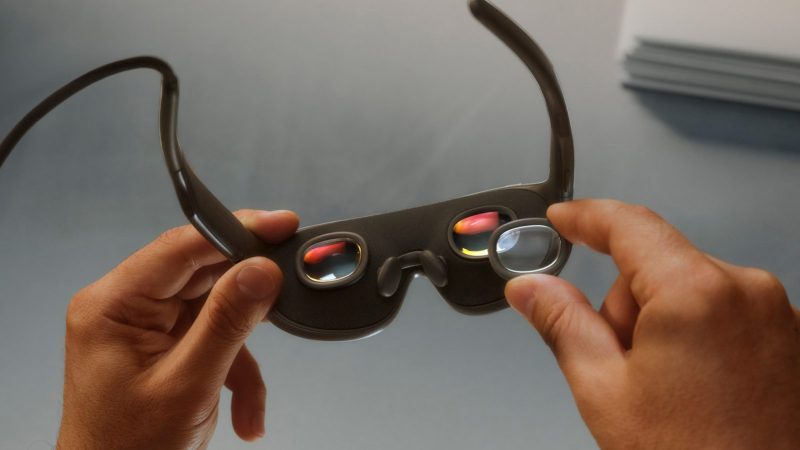
The two-part architecture makes the glasses five times lighter than Quest 3 and shifts the emphasis from existing Quest headsets toward longer viewing and work sessions.
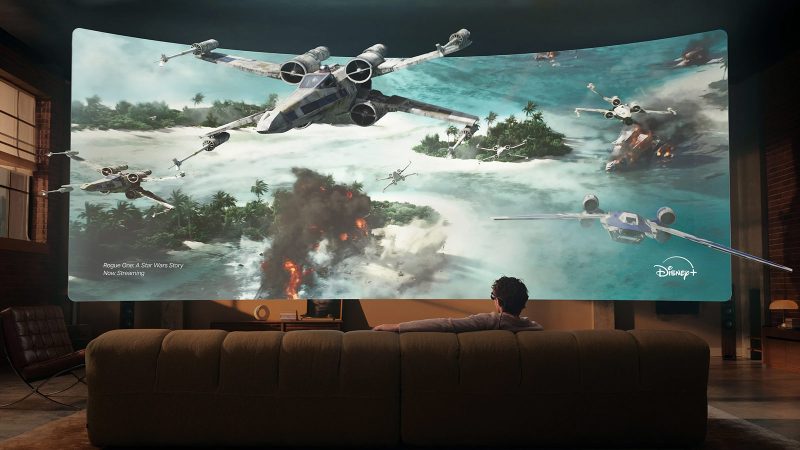
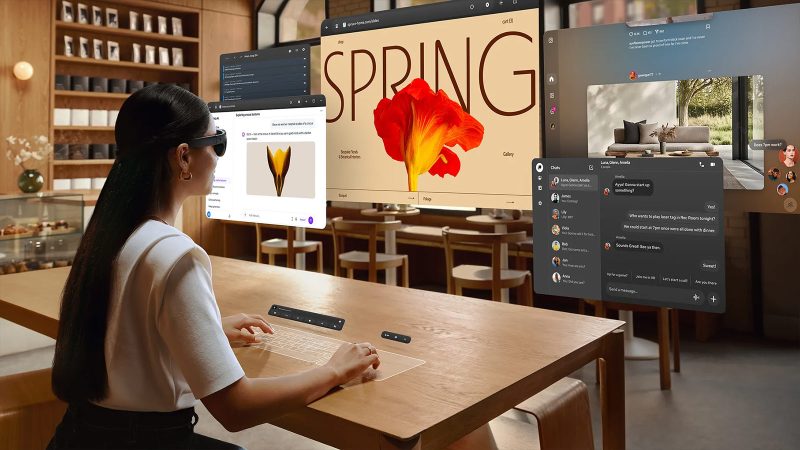
They are the first IMAX Enhanced-certified VR device, with 3D films, immersive 8K 180-degree sports, and more than 75 hand-controlled games planned for launch. Full-color passthrough can place multiple private screens in view and turn a flat surface into a virtual keyboard and touchpad, positioning the device between full VR and lighter AI eyewear.
Meta VR Glasses are scheduled for spring 2027 at $1,299. Prescription inserts will be sold separately.