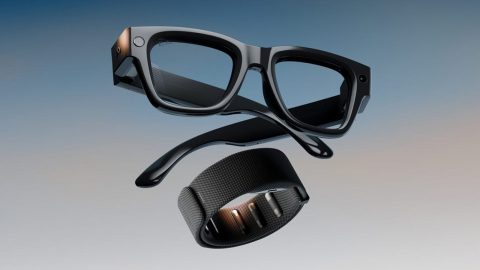
Meta Platforms is moving its smart eyewear strategy beyond co-branded novelty with the launch of Meta Glasses, a new line developed with EssilorLuxottica that starts at $299. The pricing is notable, especially next to last year’s $800 Ray-Ban Display, but the more interesting shift may be one of identity. By releasing the glasses under its own name, Meta is signaling that AI eyewear is no longer just an accessory experiment. It wants the category to feel closer to a mainstream device.
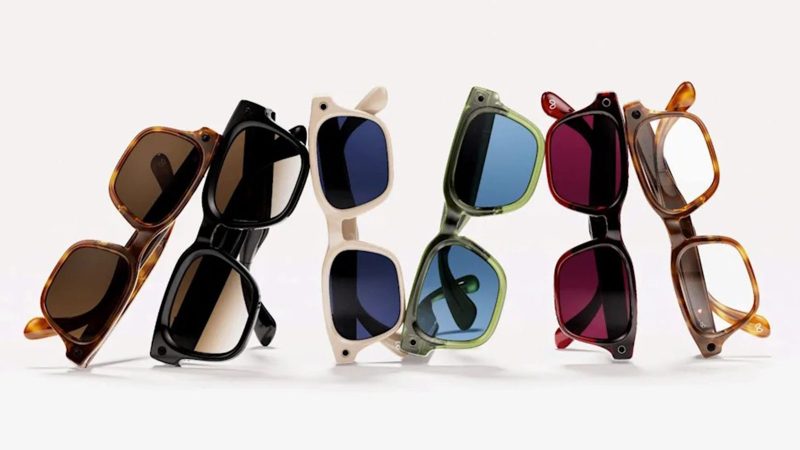

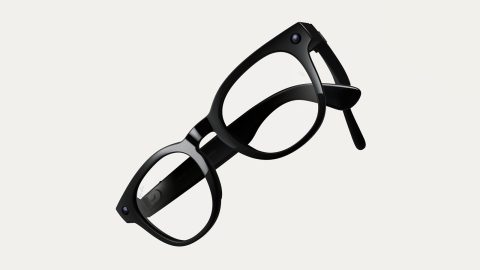
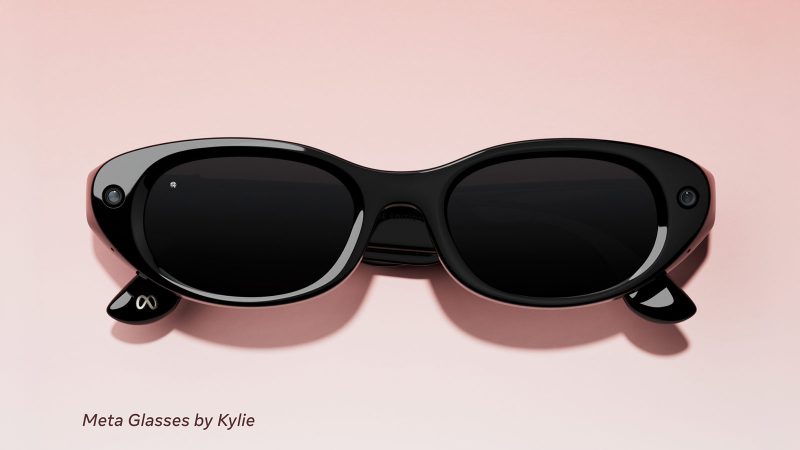
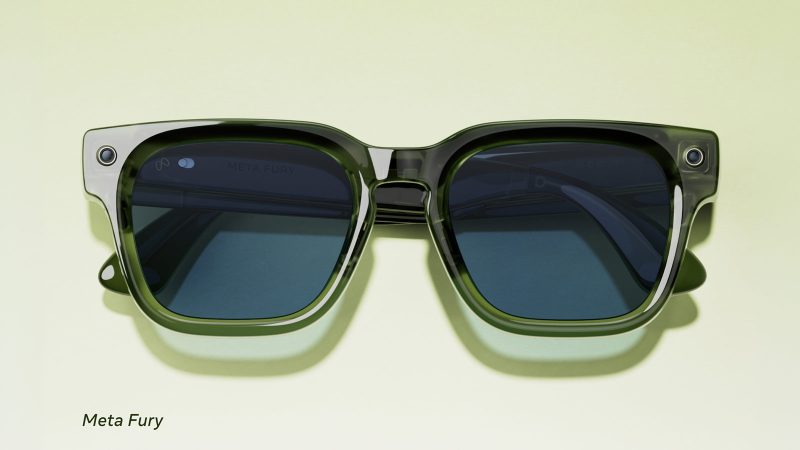
The new range introduces several frame shapes, including a classic rectangular profile and a slimmer oval silhouette developed in partnership with Kylie Jenner. Neutral and more expressive color options broaden the visual language without pushing the design too far into gadget territory. That balance matters. Smart glasses have often looked like either ordinary eyewear with hidden compromises or tech demos searching for a wardrobe. Meta appears to be aiming for something more wearable: familiar enough for daily use, distinct enough to justify the device category.

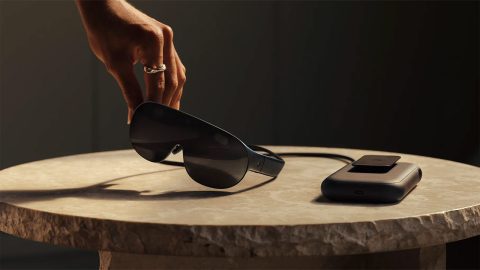
Functionally, the glasses center on Meta AI, with the company positioning them around lightweight “personal intelligence” tasks. The system can respond to questions, translate speech, summarize information, and surface notifications without requiring a phone to be pulled from a pocket. A built-in camera supports hands-free photo and video capture, while audio prompts and subtle display elements handle messages, music information, and other quick interactions.
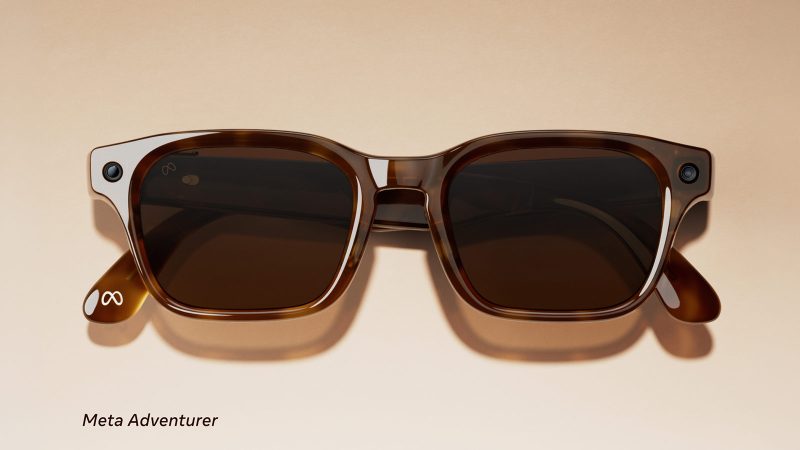
These are not full augmented-reality glasses in the cinematic sense. They do not project a rich digital layer over the real world. Instead, Meta is taking a more practical route, focusing on everyday convenience, lower pricing, and a frame-first design approach.
With smart eyewear becoming more competitive, that restraint may prove useful. The new Meta Glasses suggest the company is less interested in selling a futuristic headset than in making AI eyewear ordinary enough to leave the house.