
Meta is widening the reach of its smart eyewear ecosystem by announcing Blayzer Optics and Scriber Optics, the first Ray‑Ban Meta glasses engineered from the ground up for prescription lenses.
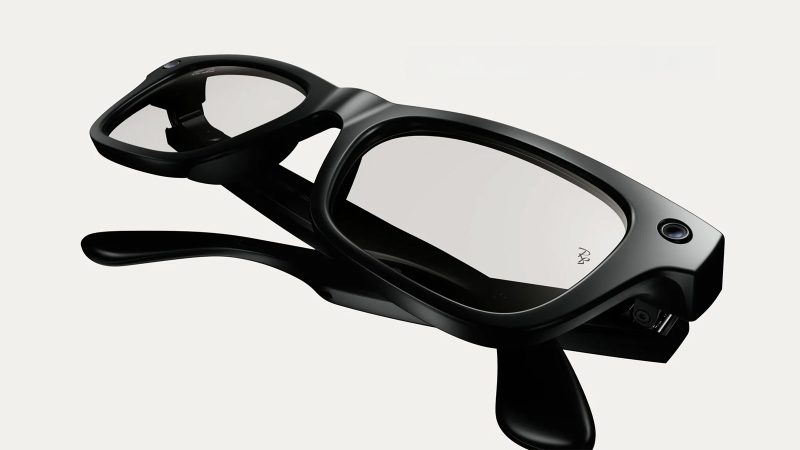
Instead of having to fit special lenses into a standard frame, both versions are built around lighter acetates with overextension hinges and optician‑adjustable temple tips so optometrists can grind and install lenses without stress. A slightly smaller design and interchangeable nose pads make the glasses comfortable for prolonged wear, and the translucent Scriber frame even accommodates high‑index lenses.
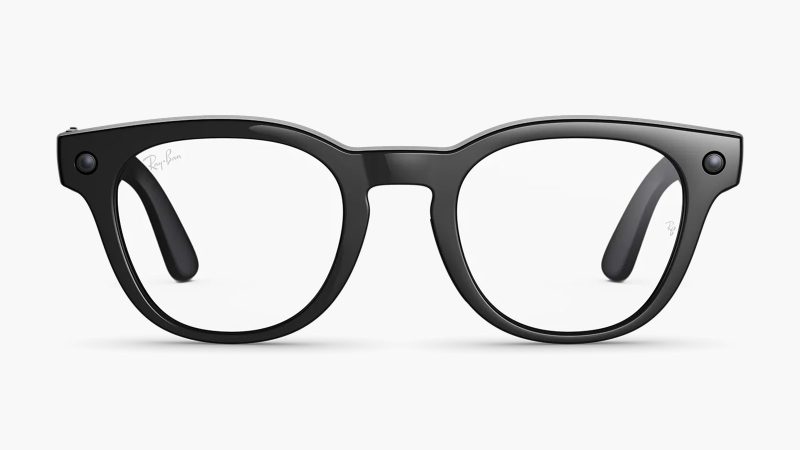
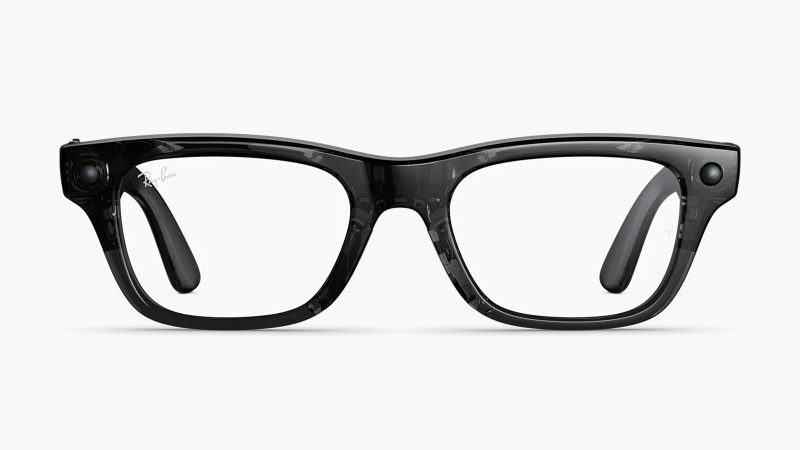
Starting at $499 and available for pre‑order now with general retail on April 14, the prescription models cost a modest premium over standard styles but eliminate a major barrier for many potential adopters. Beyond hardware, Meta is rolling out several software updates across its glasses. A hands‑free nutrition log lets wearers speak meals into the Meta AI and receive a breakdown of calories and macros.

Messaging services get a boost as WhatsApp gains summarization for long threads and neural handwriting recognition expands to iMessage, letting you hear scribbled notes read aloud. An improved navigation feature gives lane‑level walking directions with haptic prompts and audible cues that account for traffic lights. Taken together, these updates underscore how smart eyewear is evolving from novelty to a daily‑use companion.

As the Blayzer and Scriber designs were created in partnership with Ray‑Ban, the eyewear maintains a timeless silhouette. The goal of the release isn’t to reinvent the look but to remove friction for people who need corrective lenses. Meta controls more than three‑quarters of the smart‑glasses market, so addressing prescription wearers signals that the company sees growth in mainstream adoption rather than simply chasing early adopters.
With prescription support, AI‑enhanced apps and the familiar comfort of a Ray‑Ban frame, Meta’s latest glasses are less about gimmickry and more about making wearable computing accessible.