The handheld gaming market has matured quickly over the past few years, but most devices still rely on familiar hardware formulas. Acer’s new Predator Atlas 8 takes a different path, becoming one of the first major handhelds built around Intel’s Arc G3 platform. The result is a device that appears designed not simply to compete with existing portable gaming PCs, but to broaden expectations of what the category can be.
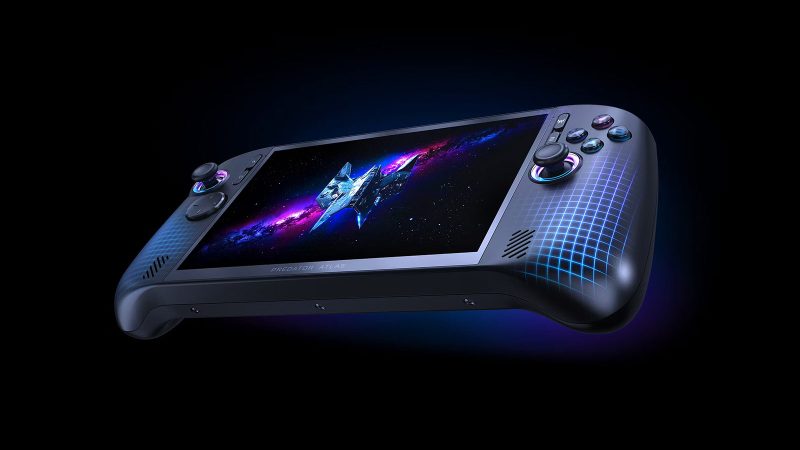
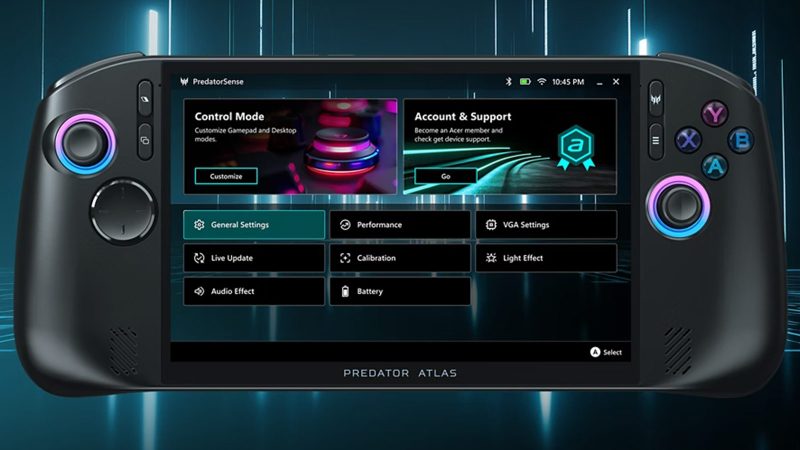
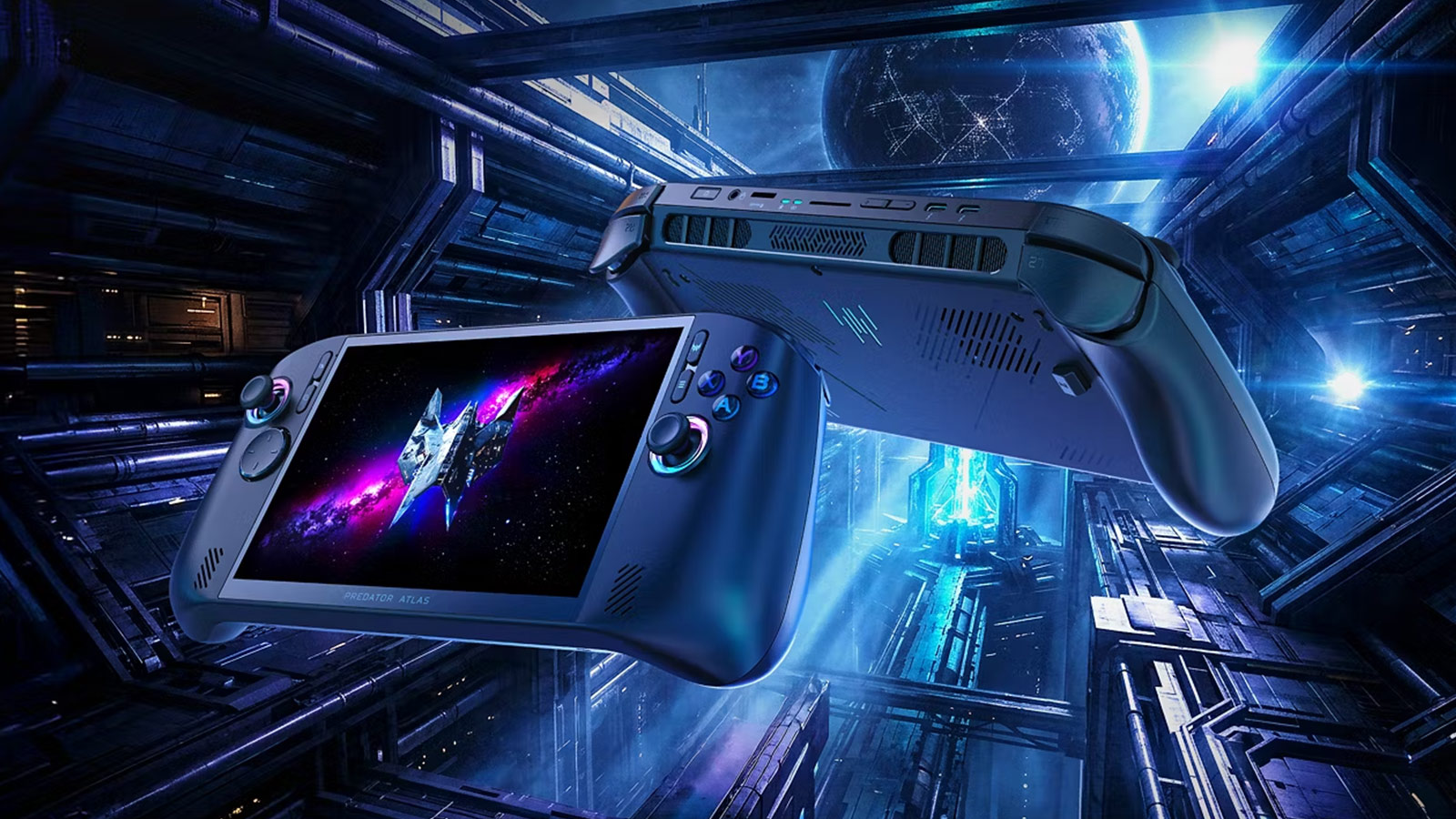
At the center of the Atlas 8 is an 8-inch display running at 120Hz and delivering up to 500 nits of brightness. The larger screen gives games additional room to breathe without pushing the device into tablet territory, while the high refresh rate helps maintain the responsiveness expected from modern action titles and competitive games. Acer has also paid close attention to ergonomics, sculpting the grips to accommodate longer gaming sessions and positioning the cooling system to direct heat away from the user’s hands.
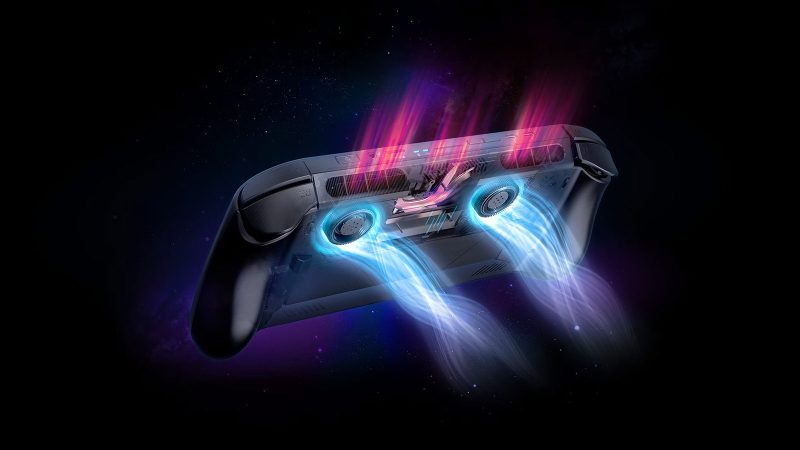
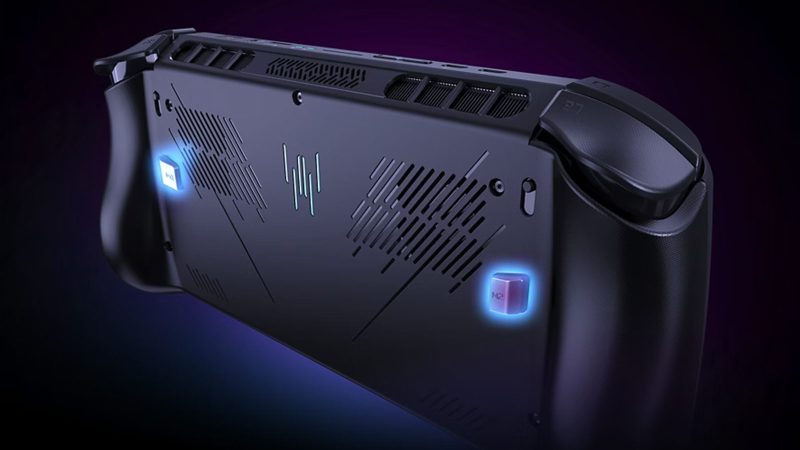
Under the hood, Intel’s Arc G3 processor serves as the headline attraction. While AMD has largely defined the handheld gaming segment, Intel’s new architecture introduces an alternative approach that combines gaming performance with AI-assisted optimizations. Acer pairs the chip with an unusually large 80Wh battery, a capacity more commonly associated with premium laptops than portable gaming hardware. The combination suggests a focus on longer play sessions without sacrificing performance.

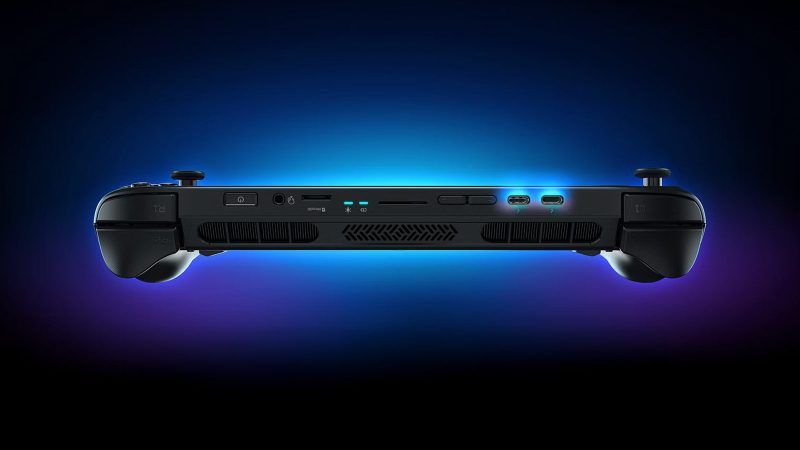
The Atlas 8 also embraces the flexibility that has made PC-based handhelds increasingly popular. Running Windows, it provides access to the same storefronts, game libraries, and productivity applications available on a traditional desktop. USB-C connectivity, expandable storage via microSD, and support for modern peripherals further reinforce its role as a portable PC rather than a dedicated gaming device.
Whether Intel can meaningfully challenge AMD’s dominance remains an open question. What is clear, however, is that the Predator Atlas 8 introduces welcome competition to a category that has become increasingly crowded with lookalike devices. For Acer, differentiation may prove just as important as raw performance.