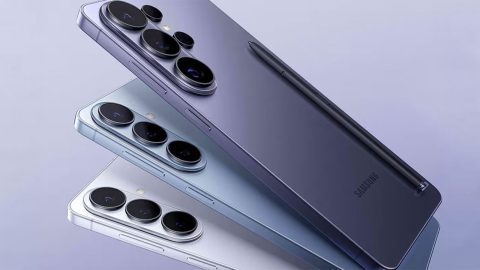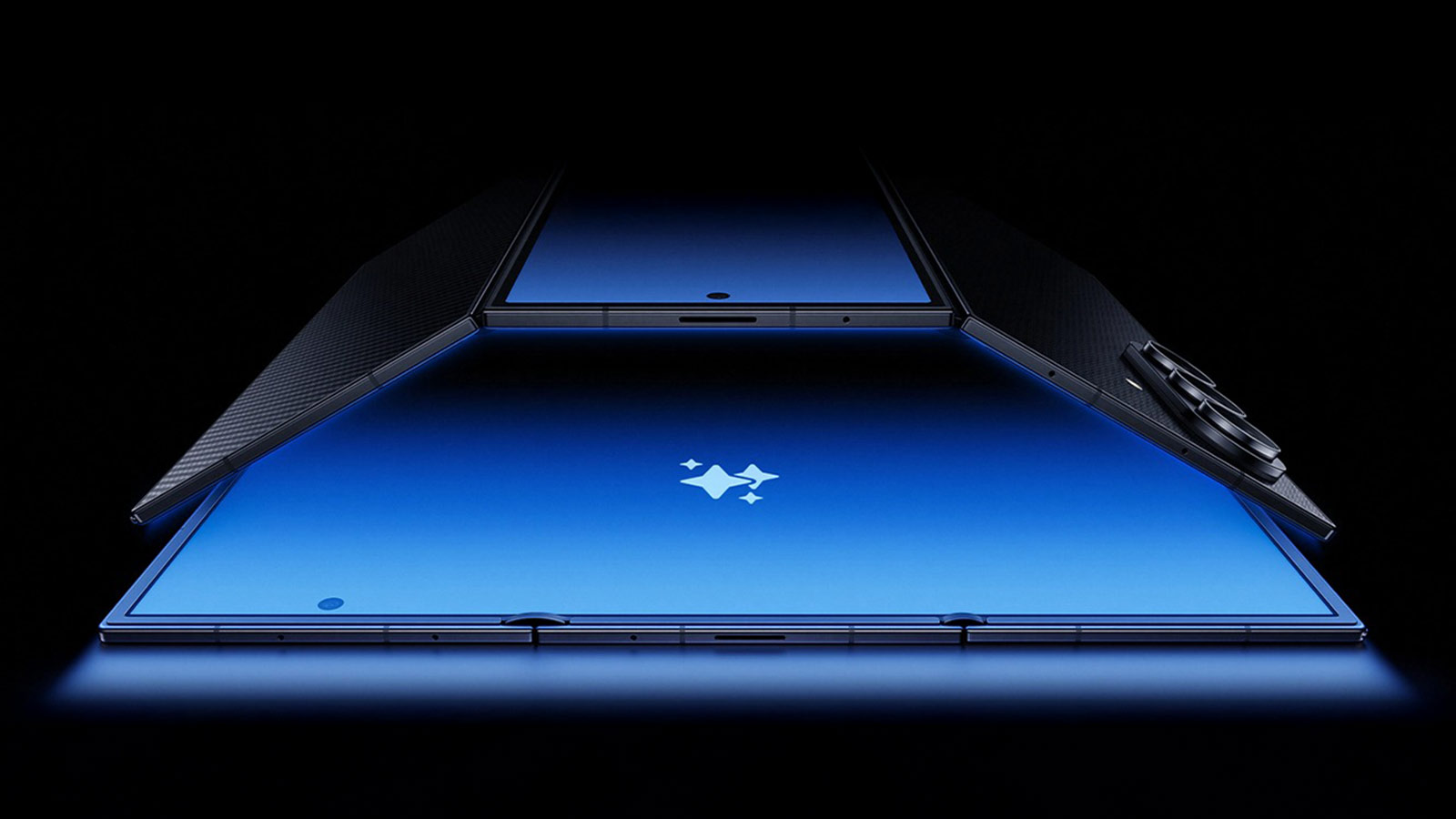
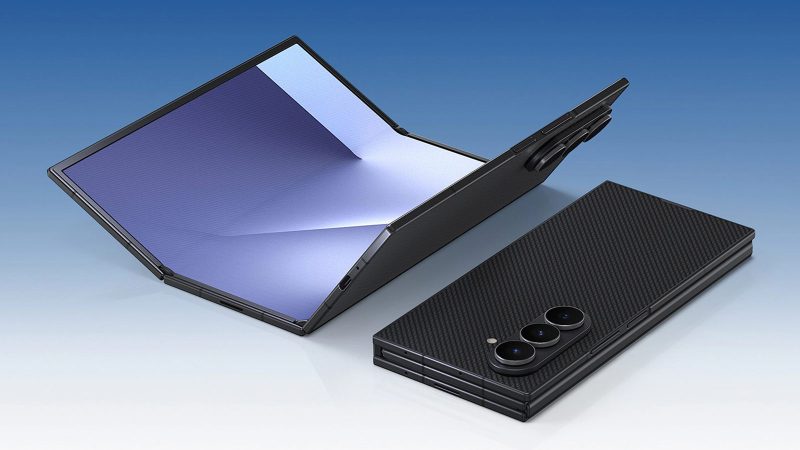
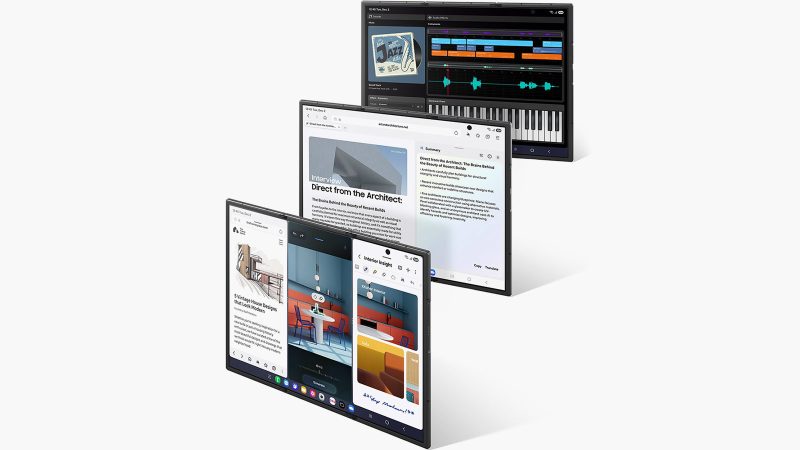
Just when 2025 seemed wrapped, Samsung dropped a seismic curveball: the Galaxy Z TriFold, its most audacious device yet—and arguably the most futuristic phone released this year. Launching first in South Korea on December 12, the TriFold redefines what a smartphone can be by merging phone, tablet, and productivity machine into one shockingly thin package.
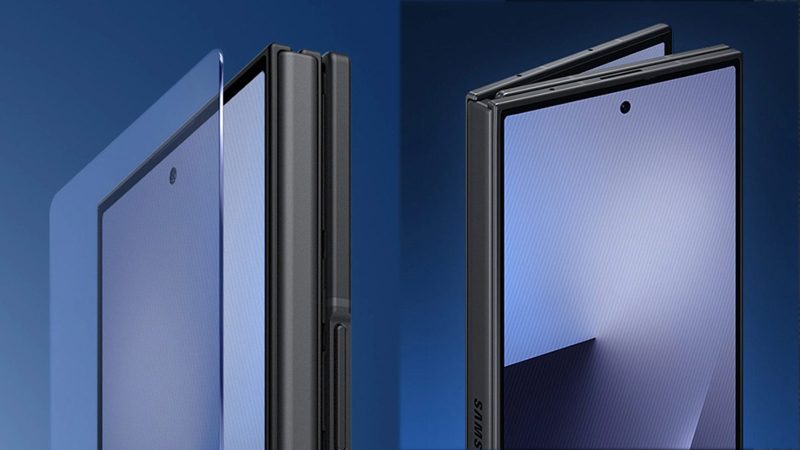
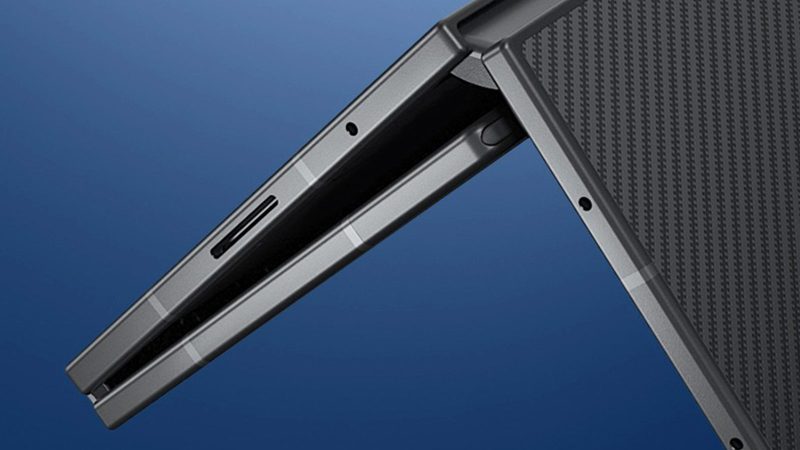
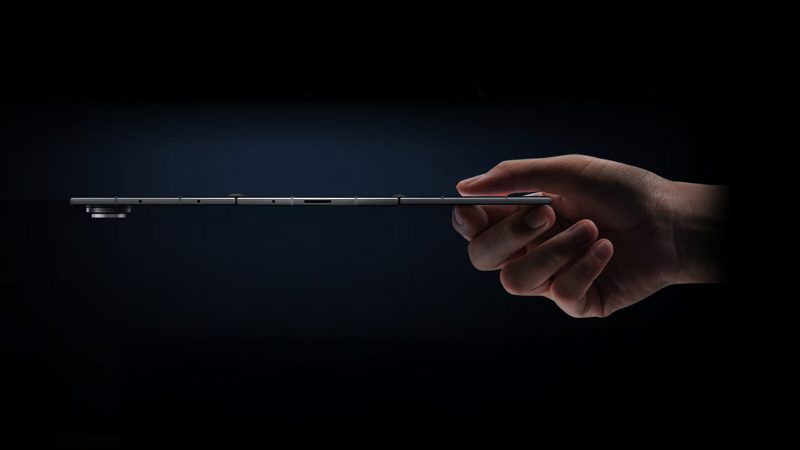
At just 3.9mm when opened, the TriFold is slimmer than the iPhone Air and Samsung’s own S25 Edge. Yet it still packs a 6.5-inch outer display and unfolds into an enormous 10-inch Dynamic 2X AMOLED panel with a 120Hz refresh rate and up to 2,600 nits of brightness. It’s a tablet disguised as a phone—and a multitasking beast disguised as both. Samsung says the open TriFold is like having three phones running side by side, with flexible app layouts that let you resize windows like a desktop OS.
Durability—a major point of skepticism for foldables—gets addressed head-on. Advanced Armor Aluminum, ceramic glass, dual-size hinges, and an inward-folding mechanism create a tighter, more protective fold with a barely noticeable crease.
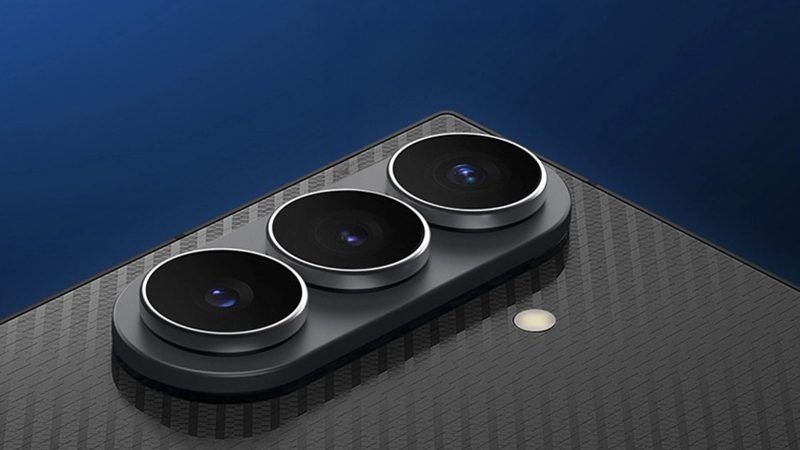
A 5,600 mAh three-cell battery, 200MP main camera, Snapdragon 8 Elite chipset, and a full suite of AI features—including Gemini Live—round out a spec sheet that borders on sci-fi. And for power users, this is the first Samsung phone with standalone DeX, capable of running up to four workspaces and 20 apps simultaneously. The Galaxy Z TriFold isn’t just Samsung’s next chapter—it’s a whole new book.
For more tech news, check out the OnePlus 15.