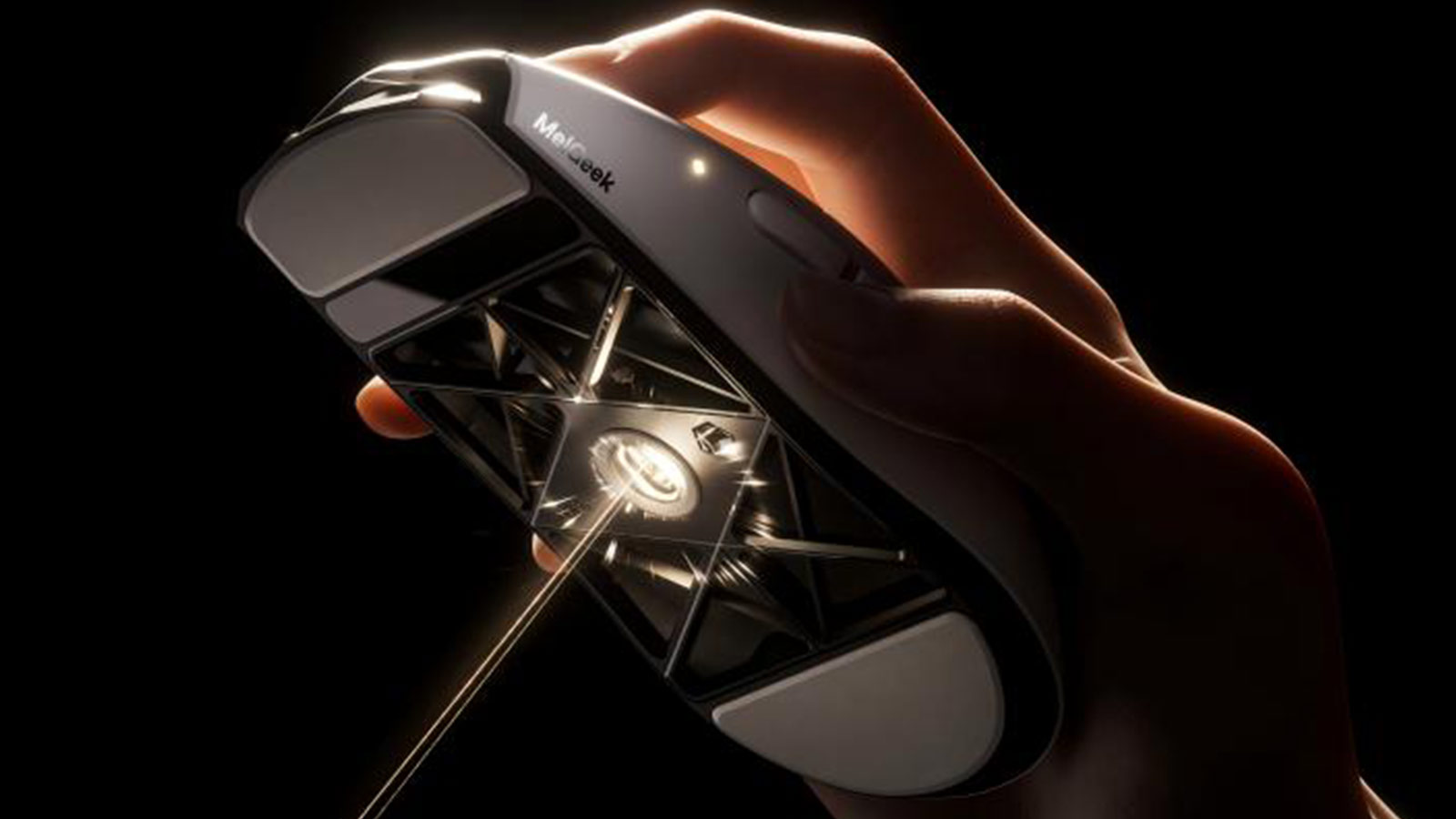
MelGeek built its reputation on keyboards, but the peripherals brand is now expanding its ecosystem with the Horus, its first lightweight esports gaming mouse. Following the company’s transparent Mojo board and the OLED‑toting Centauri, Horus reflects a design language that blends industrial engineering with playful visual cues.
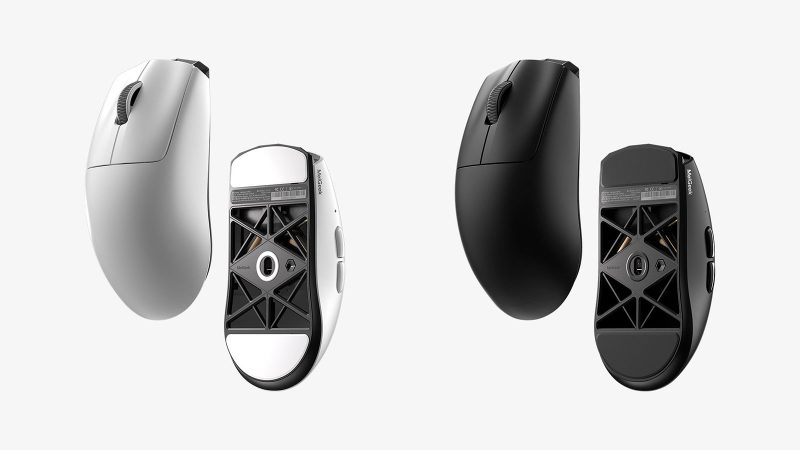

Weighing about 49 grams, Horus is engineered for competitive play. The internal structure is balanced front to back to minimize hand fatigue over long sessions. Beneath the surface, a flagship‑grade sensor and high‑performance components deliver precise tracking.
The star spec, however, is the mouse’s ability to achieve a true 8,000 Hz polling rate in both wired and wireless modes via MelGeek’s proprietary NullSync technology. That means the cursor reports its position to the computer eight thousand times per second, resulting in ultra‑low latency and stable wireless performance—a potential game‑changer for esports.
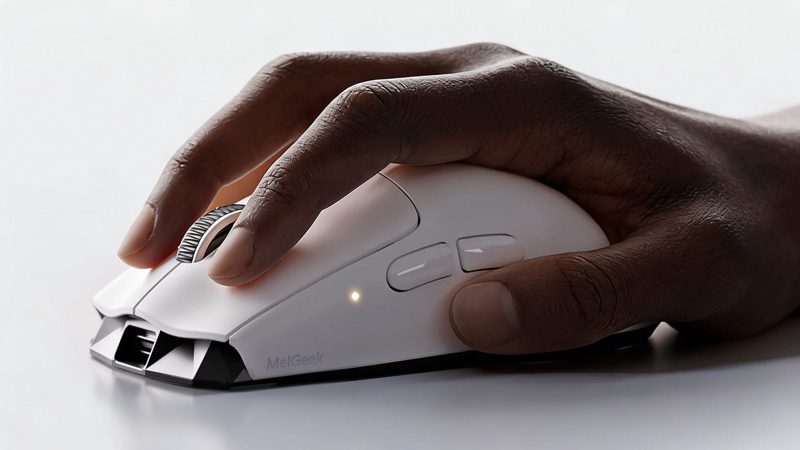
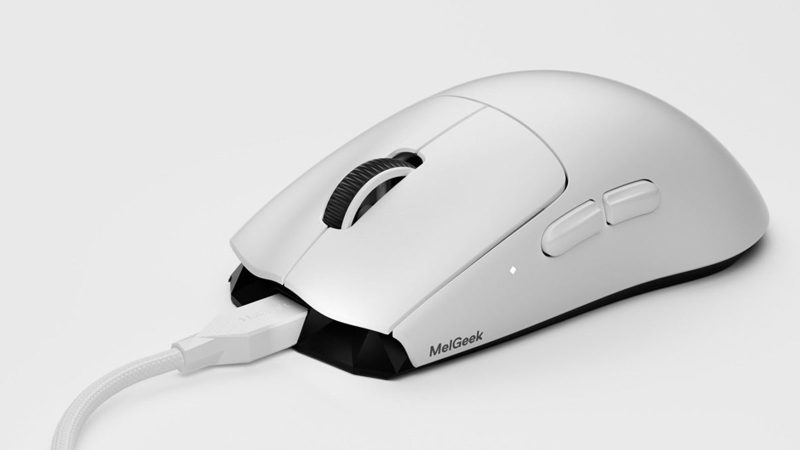
The mouse is priced at $119 and will ship later this month. It marks MelGeek’s first step beyond keyboards and signals a broader push into integrated peripherals. For context, the company’s earlier Centauri keyboard used an OLED display panel similar to the Apple Watch, while the Mojo became the world’s first transparent mechanical keyboard. With Horus, MelGeek applies the same forward‑thinking mindset to gaming mice, focusing on performance without ignoring aesthetics.
If you’re curious about other lightweight gaming peripherals, check out our coverage of Razer’s DeathAdder V3 Pro Faker Edition, which shows how pro players customize their gear. The Horus continues that trend while carving out its own space in the market.