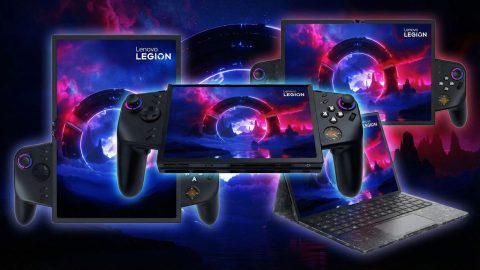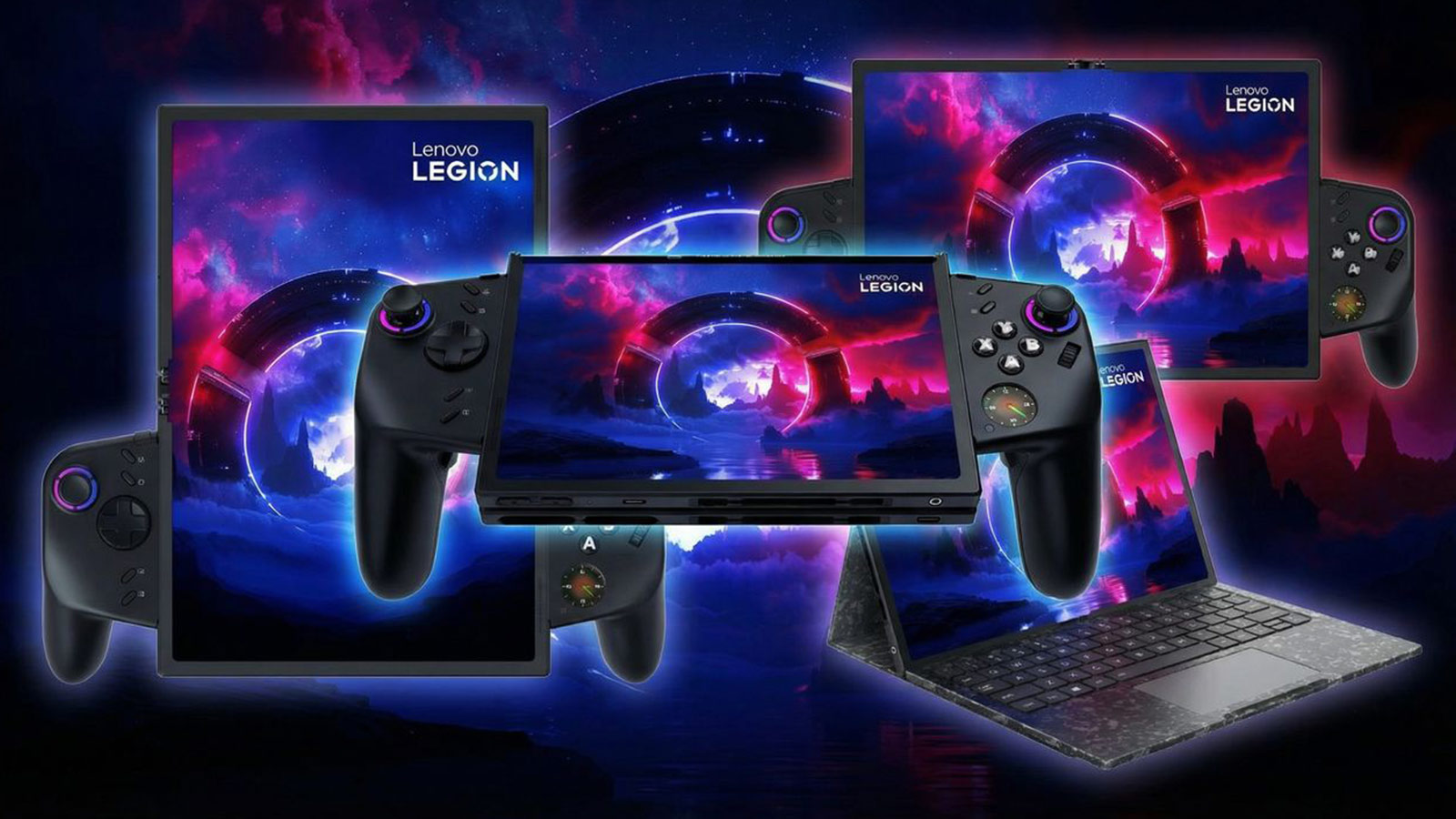
At Mobile World Congress, Lenovo revealed its most audacious experiment in gaming hardware: the Legion Go Fold Concept. The device is built around a flexible 7.7‑inch POLED display that expands to 11.6 inches when unfolded, creating a canvas large enough for strategy titles and spreadsheets alike. Clever engineering allows the screen to articulate into four distinct configurations.
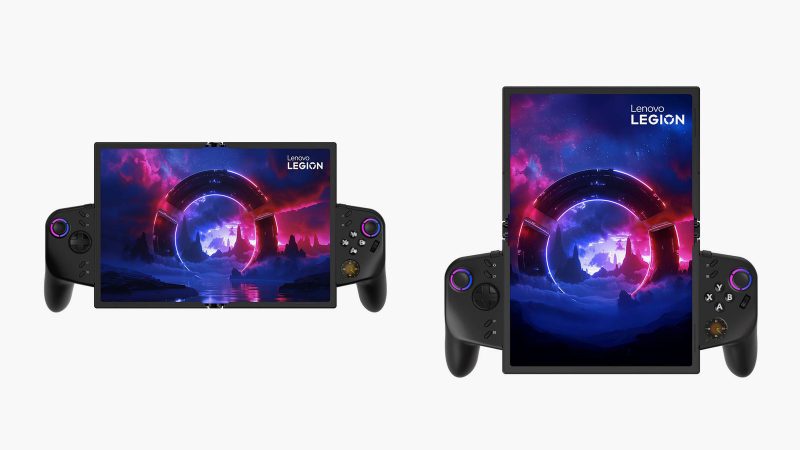
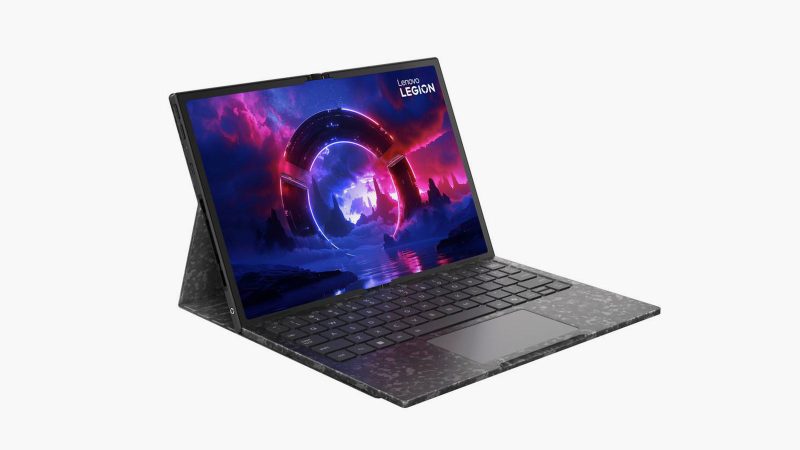
In handheld mode the panel folds in half and the detachable controllers clip onto either side of the screen. For reading or streaming, vertical split‑screen mode divides the display into two portrait windows. Horizon mode lays the device flat as a single 11.6‑inch canvas, while expanded desktop mode lets the screen stand upright beside a Bluetooth keyboard for full productivity. All of these modes are made possible by robust hinges and a chassis carved from lightweight magnesium alloy.
Under the hood, the concept is no slouch. Lenovo fits an Intel Core Ultra 7 processor, up to 32 GB of RAM and a discrete graphics solution, leveraging Windows 11’s gaming ecosystem. The 97 Wh battery supports rapid charging and the 2K‑resolution panel refreshes at 144 Hz to keep up with fast‑paced shooters. Even the controllers show thoughtful touches: hall‑effect joysticks reduce wear, while a trackpad and wheel double as a mouse when the device is docked. For commuters who want to finish a presentation on the way to a LAN party, the Legion Go Fold collapses to a thickness comparable to a hardcover book.
There are, of course, unanswered questions. Lenovo has yet to commit this experiment to production, and the company is careful to frame it as a vision for the future rather than a product announcement. Nonetheless, the Legion Go Fold shows how the lines between handheld gaming systems and ultraportable PCs could blur. By marrying a versatile display with serious horsepower and thoughtful ergonomics, Lenovo invites gamers and creatives to imagine a device that flexes to their needs.