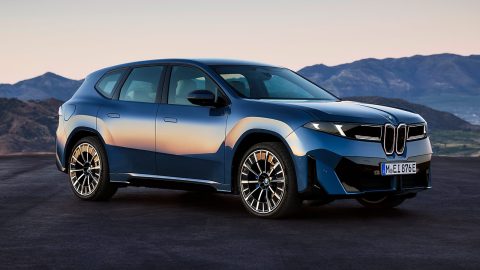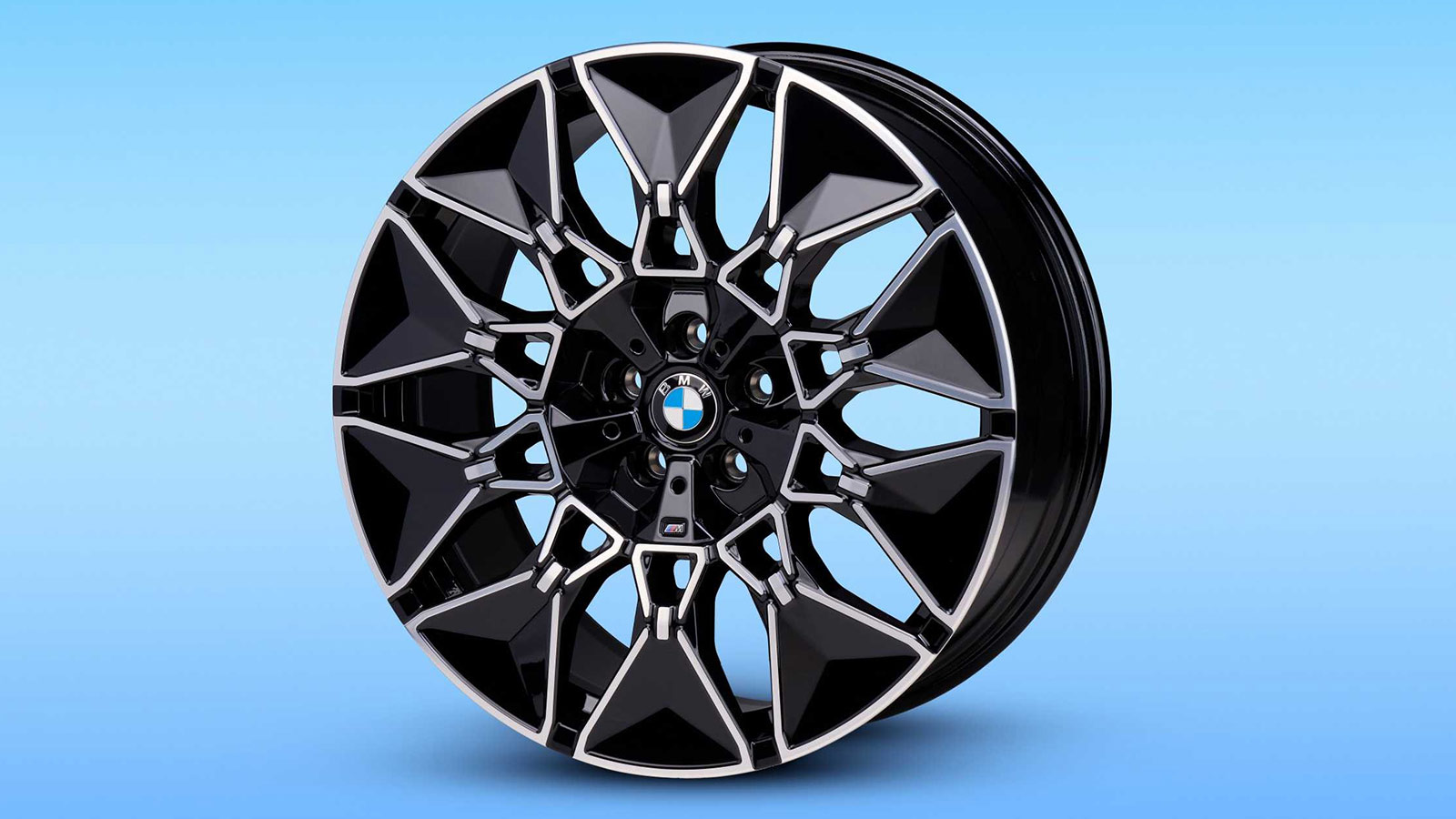
BMW’s second Neue Klasse vehicle moves beyond performance into the realm of sustainable design. The latest BMW i3 embraces a 360‑degree sustainability strategy that extends from material sourcing to recycling.
Bumpers and other exterior elements now use approximately 30 percent recycled plastics, while the underbody and interior trim incorporate high proportions of secondary aluminium. By designing components for easy disassembly, engineers enable a ‘Design for Circularity’ philosophy—parts can be efficiently recovered and remanufactured at the end of the vehicle’s life.
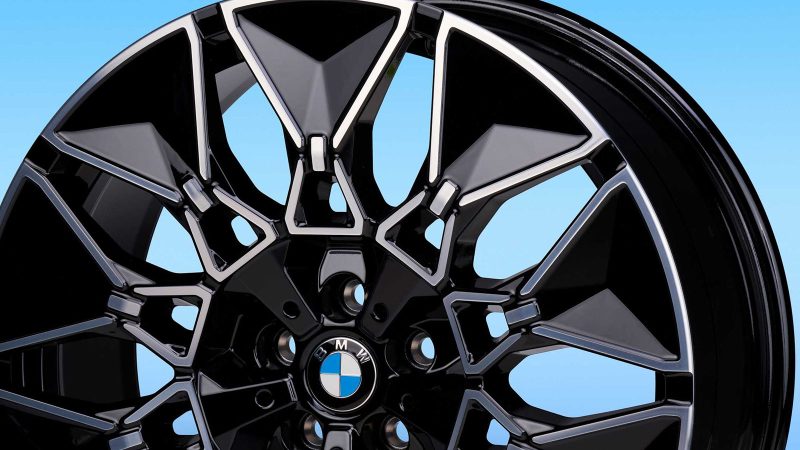
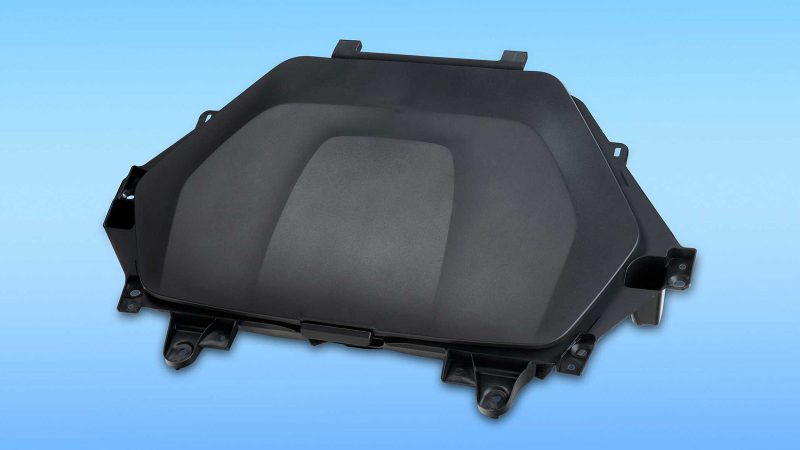
This holistic approach continues in the supply chain and production phases. BMW works with suppliers to reduce emissions during raw material processing, and the Munich plant assembling the i3 operates on 100 percent renewable electricity.
The company claims that wider adoption of secondary materials could reduce lifecycle carbon emissions by up to 25 percent. Over the next decade BMW aims to cut 40 million tons of CO₂e, illustrating how serious the brand is about decarbonization.
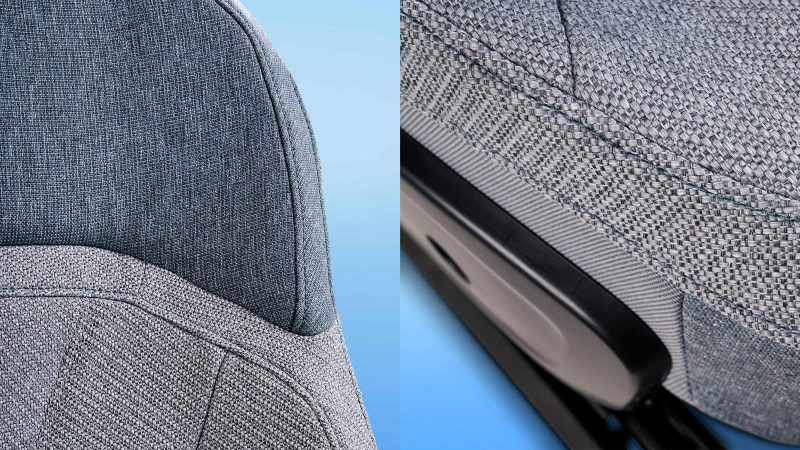
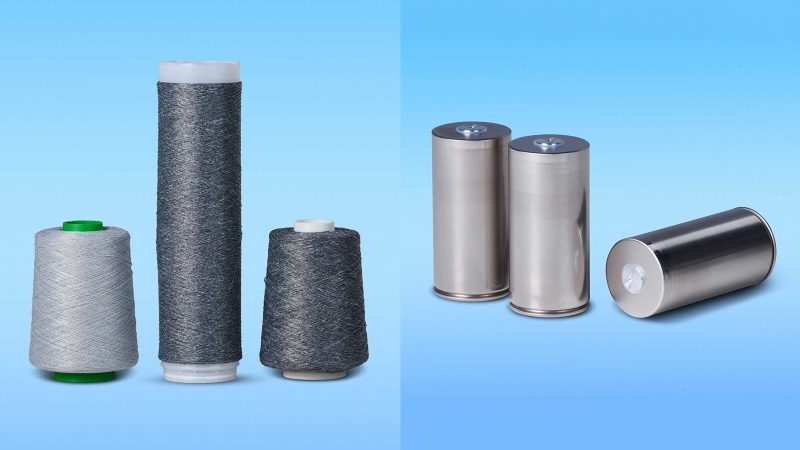
The new Neue Klasse platform supports a variety of battery sizes and drive configurations, but the emphasis here is on sustainability and thoughtful engineering rather than headline‑grabbing output figures. Inside, natural‑fiber textiles and recycled plastic surfaces coexist with advanced digital displays, illustrating that environmental responsibility needn’t come at the expense of modern design.
By demonstrating a viable path toward a circular economy, the Neue Klasse underscores BMW’s leadership in sustainable mobility and signals how mainstream electric cars may evolve.